Y chromosome loss linked to advanced pancreatic cancer
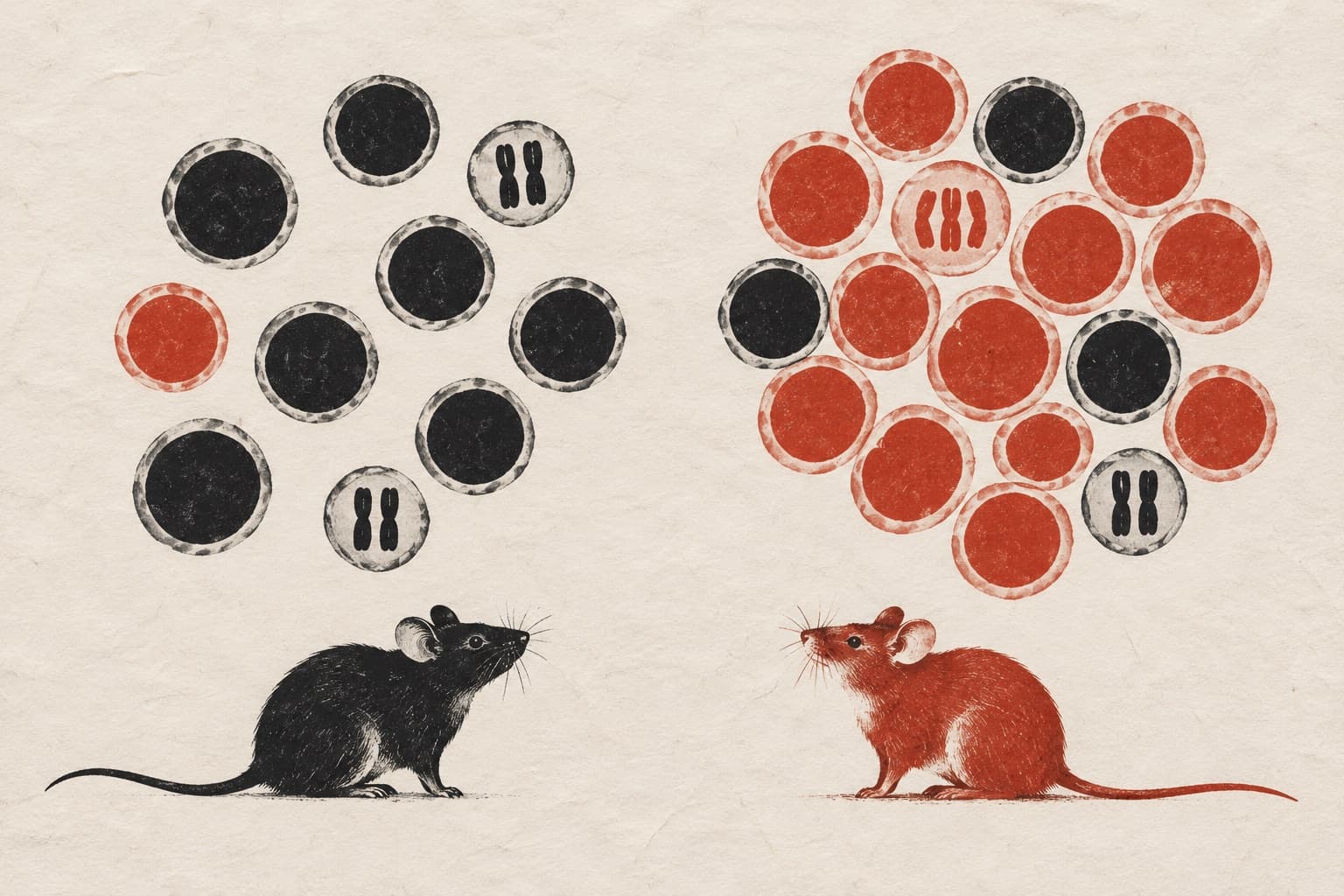
Across two cohorts, about 50% of male patients with pancreatic ductal adenocarcinoma had lost the Y chromosome, an alteration enriched in advanced disease.
bioRxiv
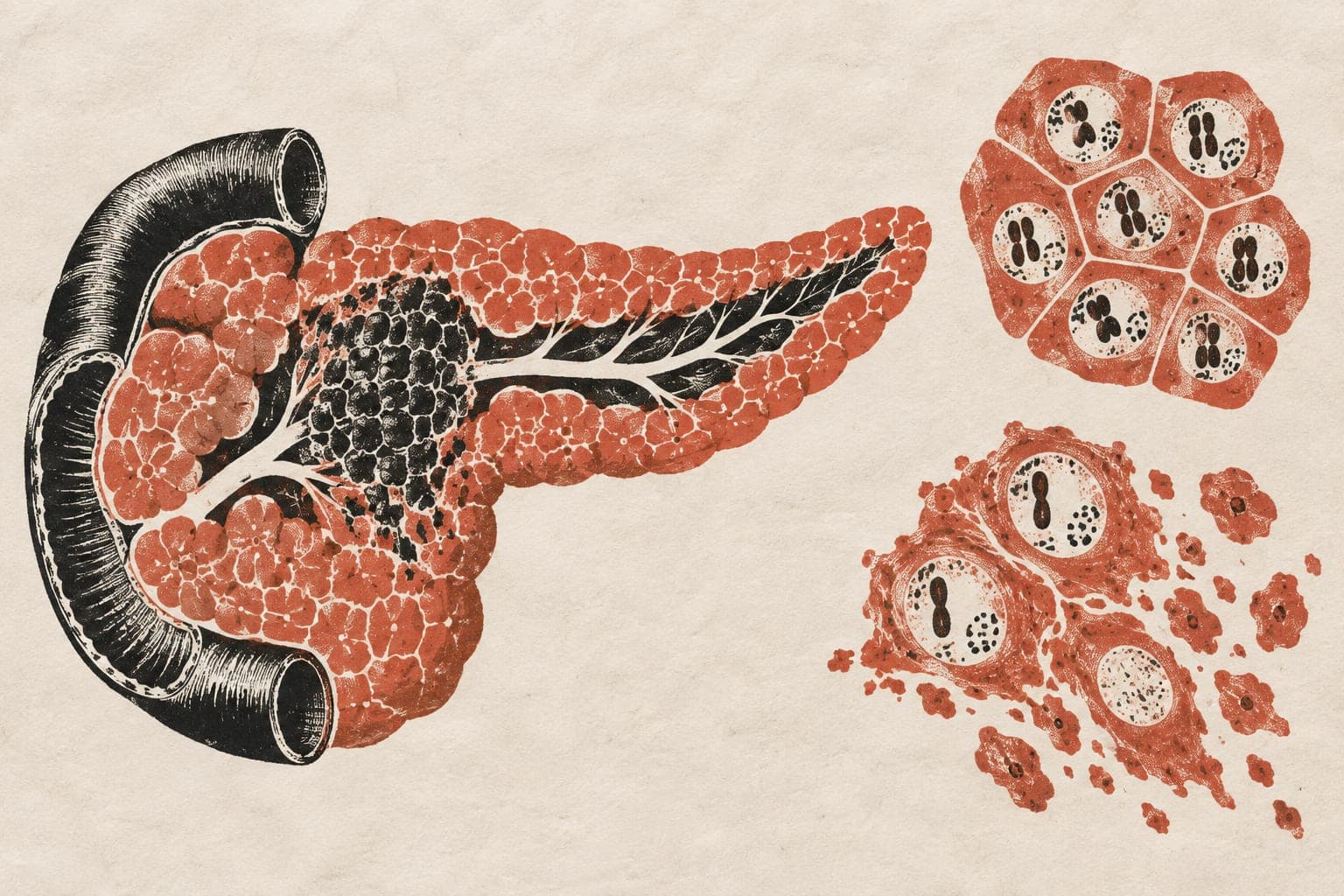
In an observational study across two cohorts of male patients with pancreatic ductal adenocarcinoma, loss of the Y chromosome affected about 50% of patients. This chromosome loss was enriched in advanced disease and the basal subtype, and was associated with mutations in TP53, a tumour-suppressor gene. The researchers also examined tumour datasets and gene-edited pancreatic cancer models. In the models, deleting the Y chromosome alone induced changes in cell shape and gene activity, and enhanced metastatic ability. This loss disrupted chemical tags on DNA by removing proteins that modify chromatin, the packaged form of DNA, and reduced sensitivity to chemotherapy.
Why it matters
The researchers proposed Y chromosome loss as a potential marker for pancreatic cancer care, raising the question of whether it could help guide therapeutic choices.
Caveats
The patient findings were observational; the causal evidence came from engineered cancer models, not experiments in patients. This preprint has not been peer-reviewed and did not test aging or lifespan.
- Chromatin
- DNA methylation
- Epigenetic regulation of gene expression
- Pancreatic ductal adenocarcinoma
- Loss of the Y chromosome
- Humans
The paper
Show 30 more authors
N. Meyer, A. Petzold, P. Zhao, B. Otero-Carrasco, K. Aliar, S. Urban, J. Zummack, J. Jung, J. M. Hölken, N. Duan, L. Godfrey, M.-j. M. Chen, K. Schlüter, K. Ganesan, F. Over, T. Kono, H.-U. Schildhaus, K. Steiger, R. Schwarz, E. Hessmann, G. Schneider, J. T. Siveke, J. P. Neoptolemos, T. Peccerella, M. Llamazares-Prada, A. Schramm, C. Plass, F. Rambow, F. Notta, B. T. Grünwald,Department of Medical Oncology, West German Cancer Center, University Hospital Essen at the University Duisburg-Essen, Germany
bioRxiv · 7 Oct 2026 · Preprint, not peer-reviewed