Dendritic cells remodel eccrine sweat gland niche metabolism through oxidative phosphorylation during aging
Abstract
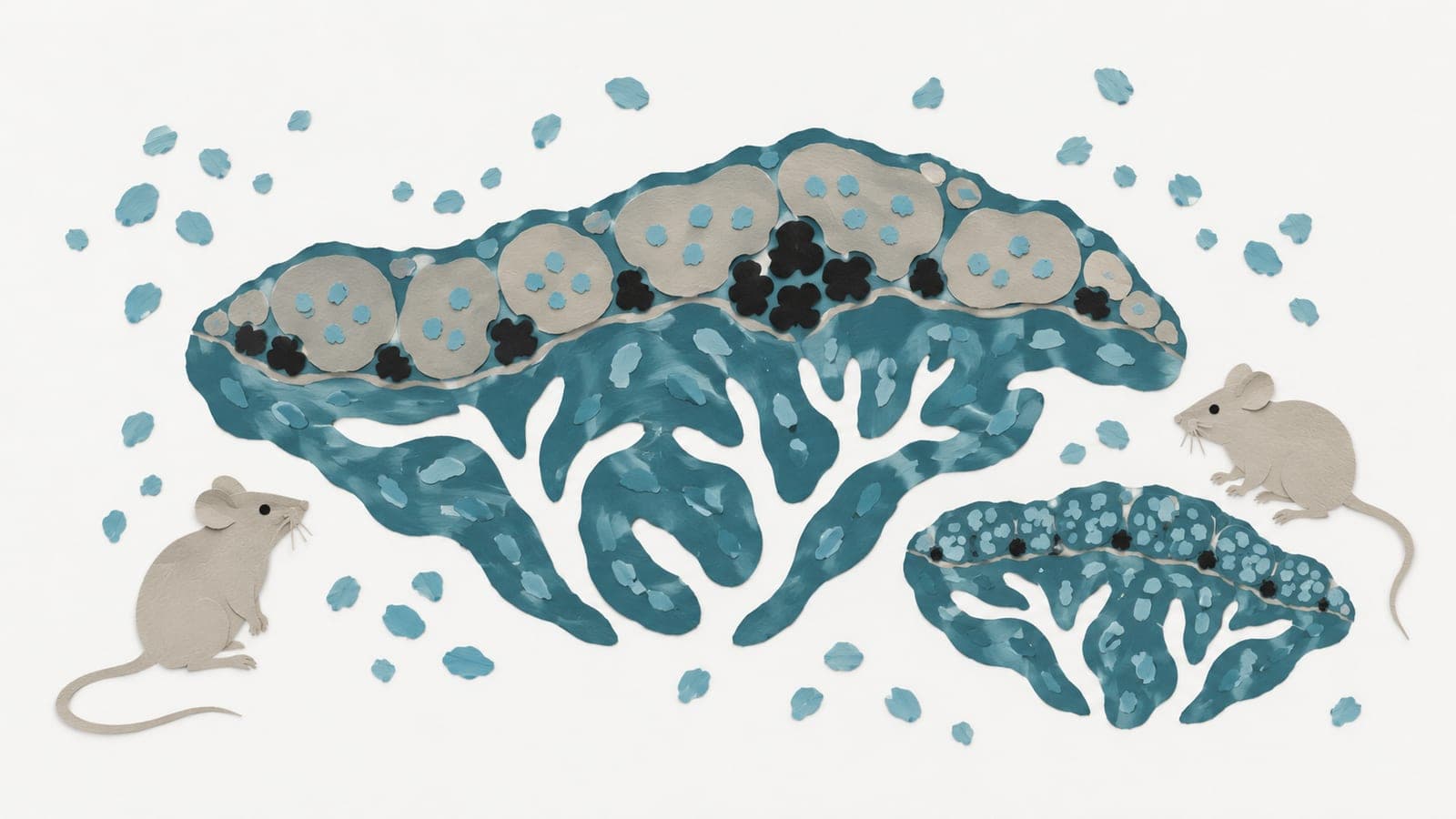
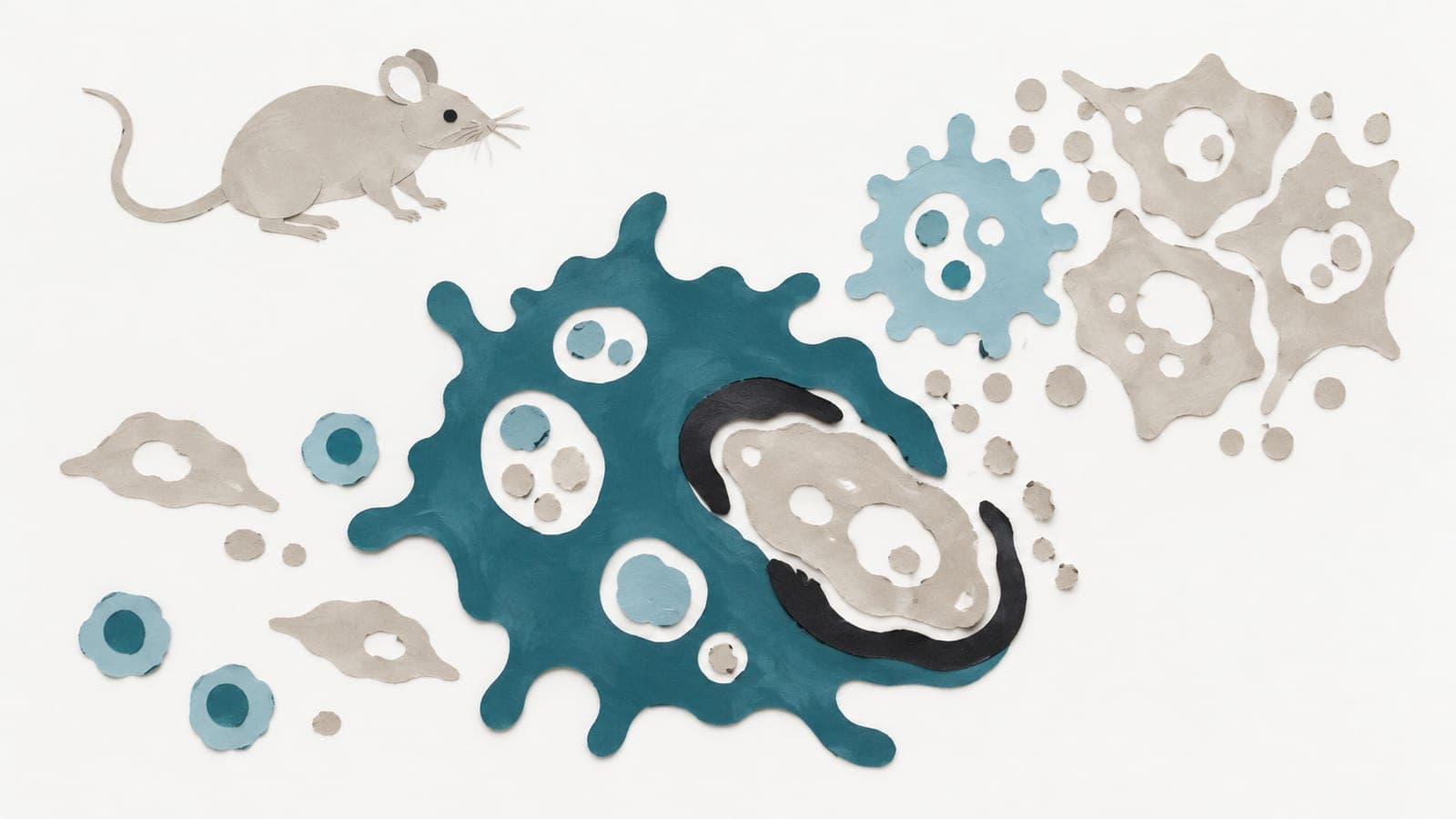
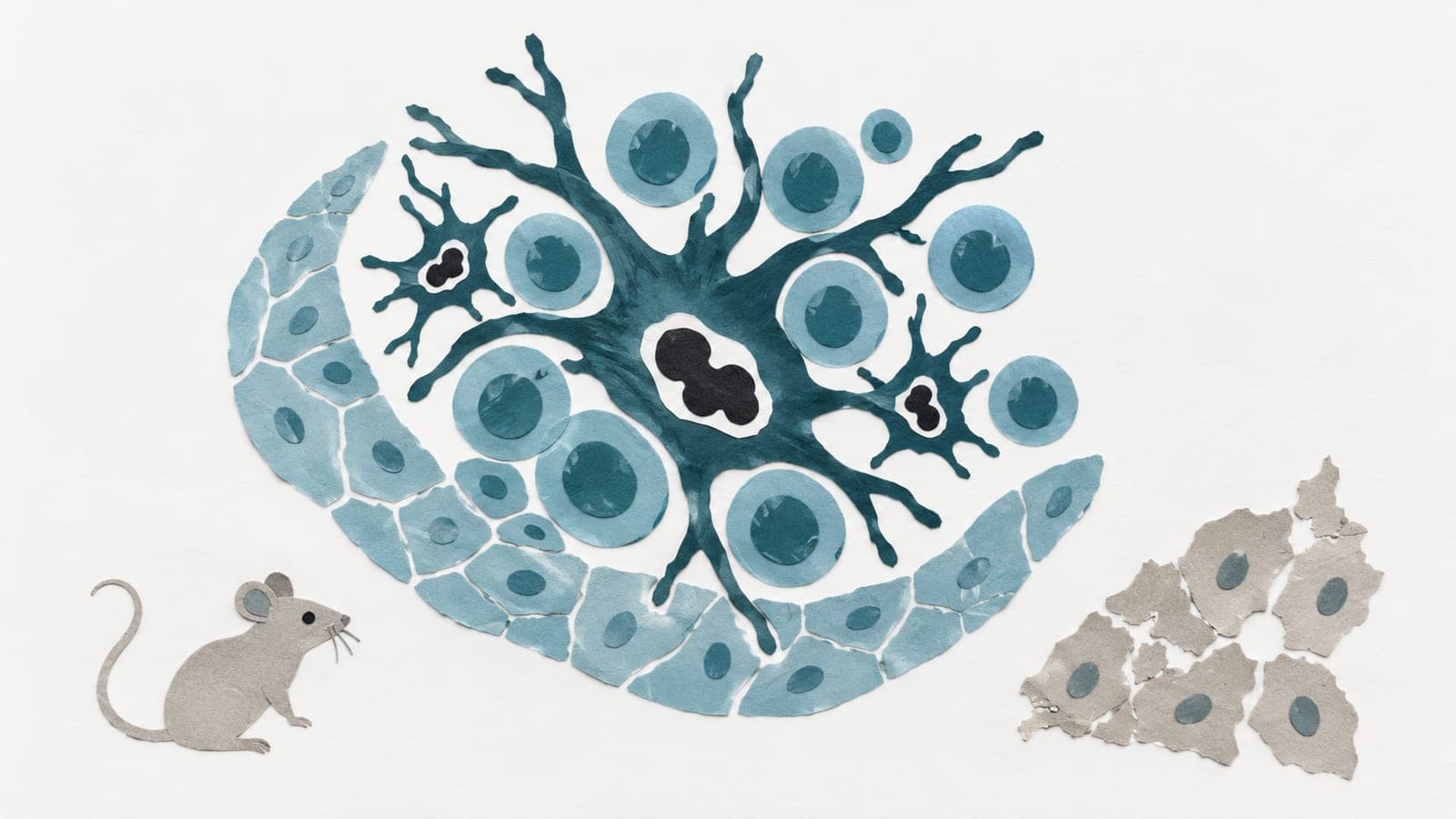
Tissue function and homeostasis are sustained through dynamic interactions between resident cells and their surrounding microenvironment. In the skin, these niche-specific signals coordinate epithelial metabolism and secretory activity. Although reduced sweating is a widely recognized phenomena of aging, the cellular and molecular mechanisms underlying eccrine sweat glands decline, particularly those involving age-associated niche remodeling, remain poorly understood. In this study, we combine multiomics profiling with functional assays to define an immune-epithelial circuit that governs sweat gland metabolism and is disrupted during aging. Spatial transcriptomics, single-cell RNA-sequencing, and immunostaining of aged murine paw and human palm skin reveal that structural shrinkage of eccrine sweat glands, elevated senescence-associated secretory phenotype factors, and dendritic cells (DCs) around sweat gland coils (SGCs) were significantly reduced. In youthful skin, DCs support sweat secretion by promoting oxidative phosphorylation SGCs through nicotinamide phosphoribosyltransferase-insulin receptor signaling. However, this signaling axis was perturbed with aging where SGCs secreted macrophage migration inhibitory factor, which signaled through major histocompatibility complex class II invariant chain (CD74) to impair the expression of lysosomal membrane protein and lysosomal protease in DCs through cytochrome b-245 beta chain, exacerbating DC dysfunction and reinforcing a deteriorating glandular niche. Our findings identify DCs as guardians of SGC metabolic homeostasis, revealing a reversible niche-dependent mechanism through DC-SGC crosstalk that drives age-related glandular decline.
- Oxidative phosphorylation
- Cellular senescence
- Immune response
- Dendritic cell count around sweat gland coils
- SASP factors
- Mice
The paper
Chongqing University
The Journal of Investigative Dermatology, 24 Mar 2026