Black Phosphorus Nanomaterials and the Senescent Osteoimmune Microenvironment: Mechanisms, Opportunities, Challenges, and Future Outlook
Abstract
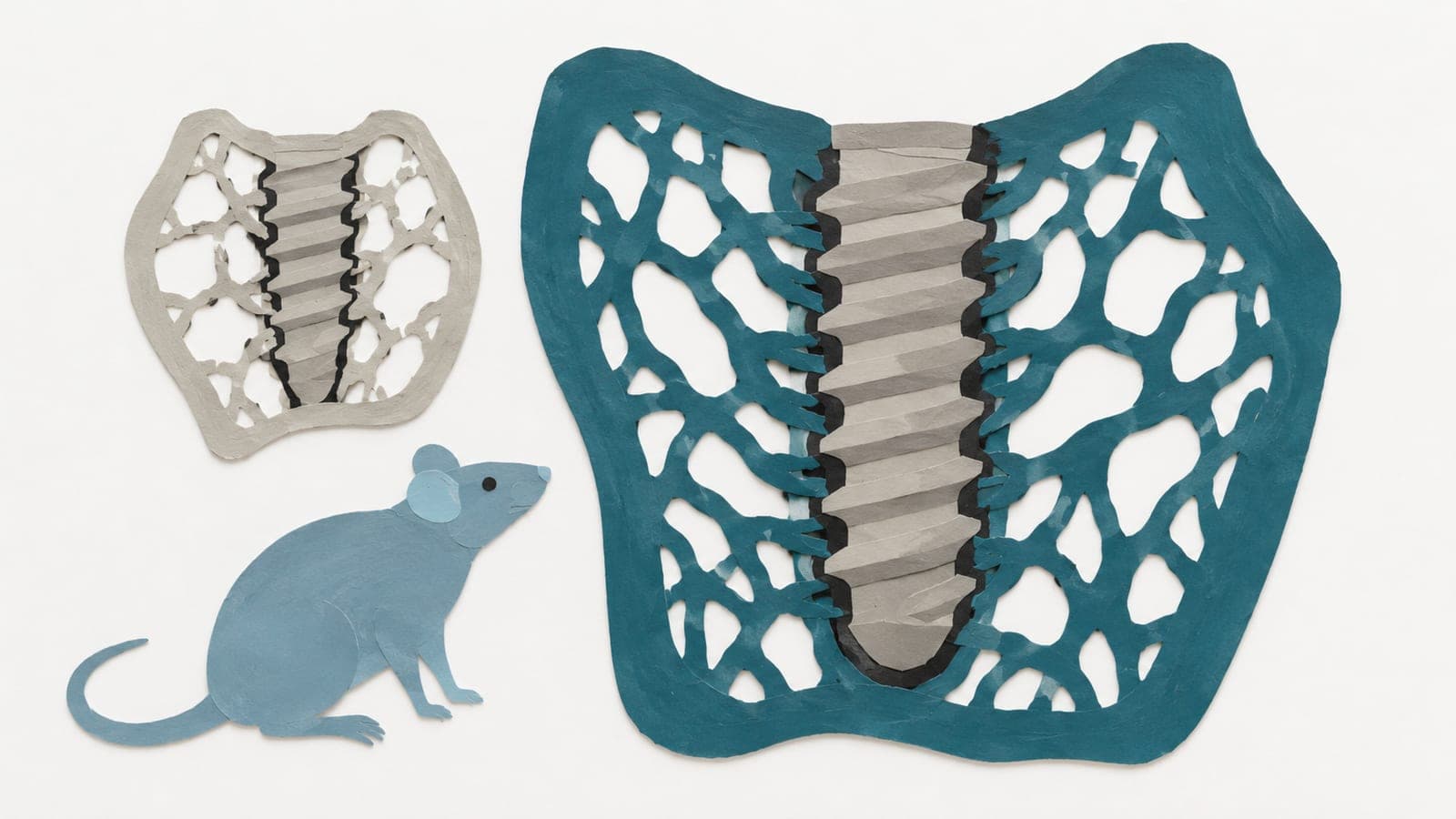
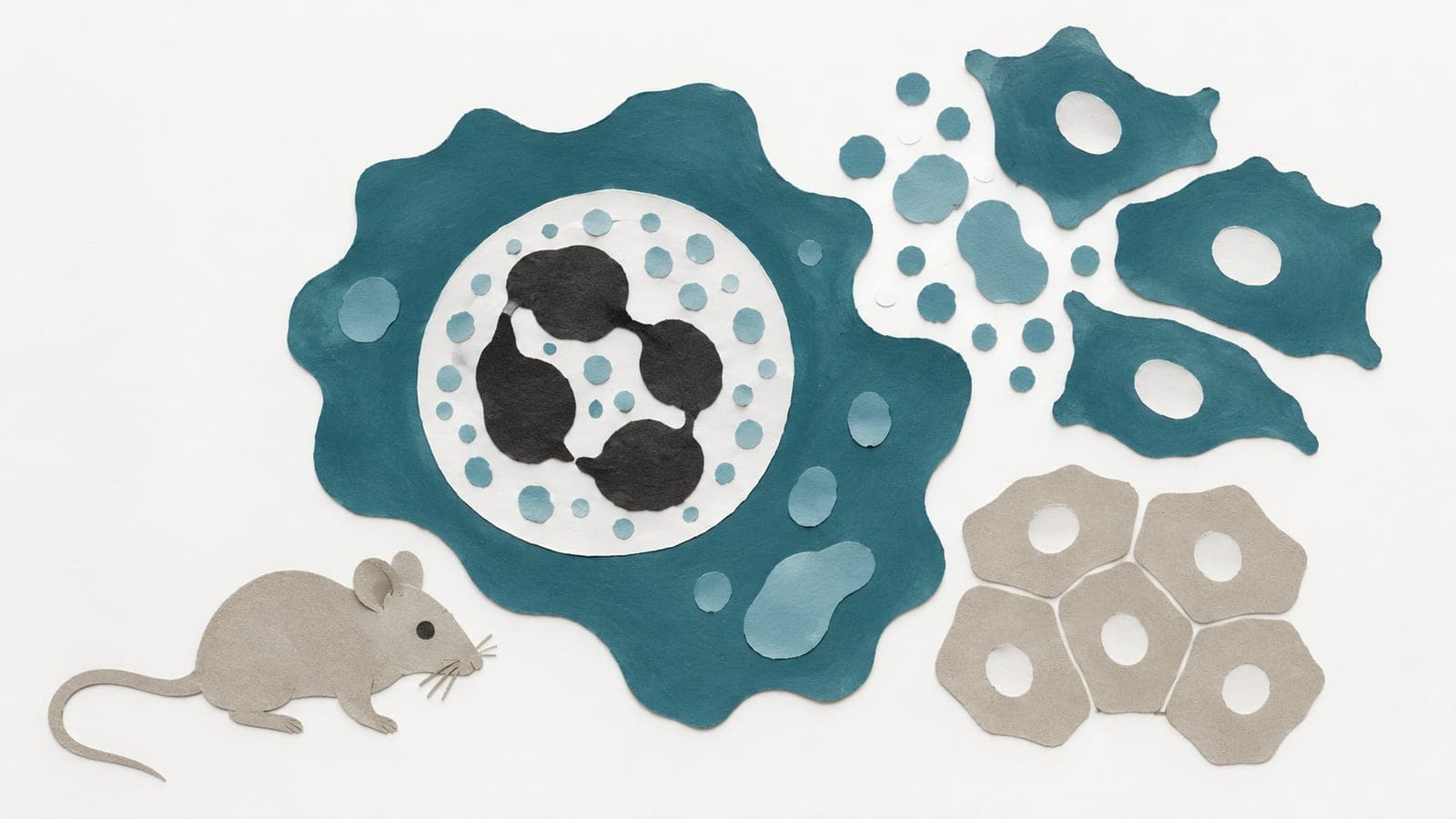
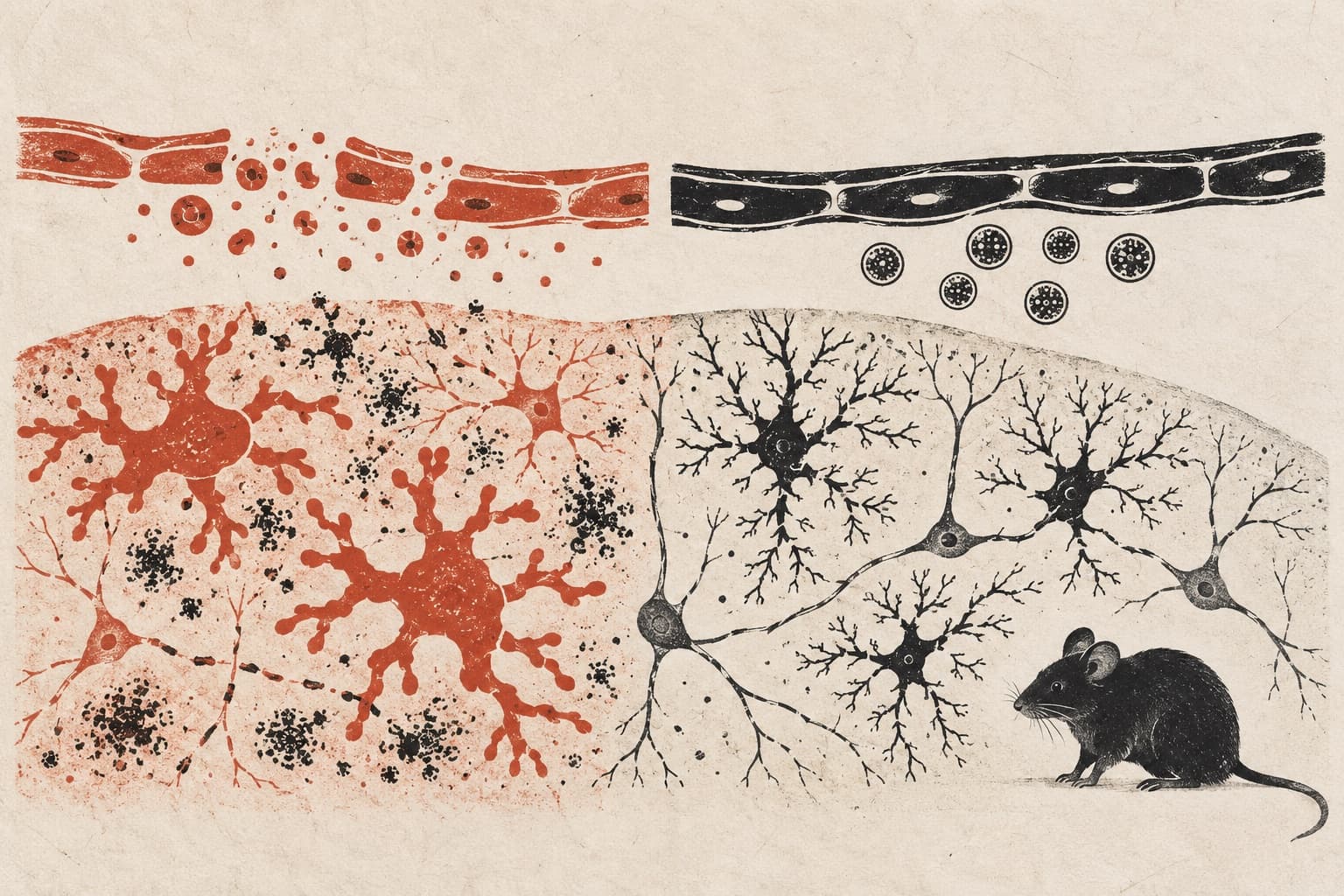
The pathogenesis of senile osteoporosis involves immune cell imbalance, inflammaging, and dysregulation of the RANKL/OPG bone-immune axis, collectively defining the concept of immunoporosis. These interrelated processes mutually reinforce one another, leading to a 2-3-fold prolongation of bone healing time, while conventional single-target therapies fail to achieve coordinated regulation of bone regeneration and the immune microenvironment. Black phosphorus (BP) nanomaterials, as an emerging class of biomaterials, represent a paradigm shift from "passive scaffolds" to "active immuno-bone synergistic regulators." BP exerts multifunctional effects by restoring macrophage M1/M2 polarization balance, scavenging reactive oxygen species (ROS) to disrupt inflammatory feedback loops, and modulating the RANKL/OPG axis, thereby promoting a transition from a pro-inflammatory, destructive state to an anti-inflammatory, reparative phenotype. Experimental evidence indicates that BP can reduce pro-inflammatory cytokine expression by approximately 60% and achieve bone defect bridging rates of up to 93%. However, the clinical translation of BP remains challenged by the complexity of aging-related immune mechanisms, insufficient long-term safety data, and unclear translational pathways. This Perspective systematically discusses the regulatory mechanisms of BP in the aged osteoimmune microenvironment, the current limitations, and future research directions.
- Black phosphorus
- Inflammation
- Oxidative stress and ROS signalling
- Immunoporosis
- Senile osteoporosis
- Bone defect
The paper
Hebei Medical University
International Journal of Nanomedicine, 2 Feb 2026