Coated implants improved bone attachment in osteoporotic rats
A titanium surface promoted bone formation around implants and improved spongy bone structure in an experiment in rats with age-related osteoporosis.
Advanced Healthcare Materials
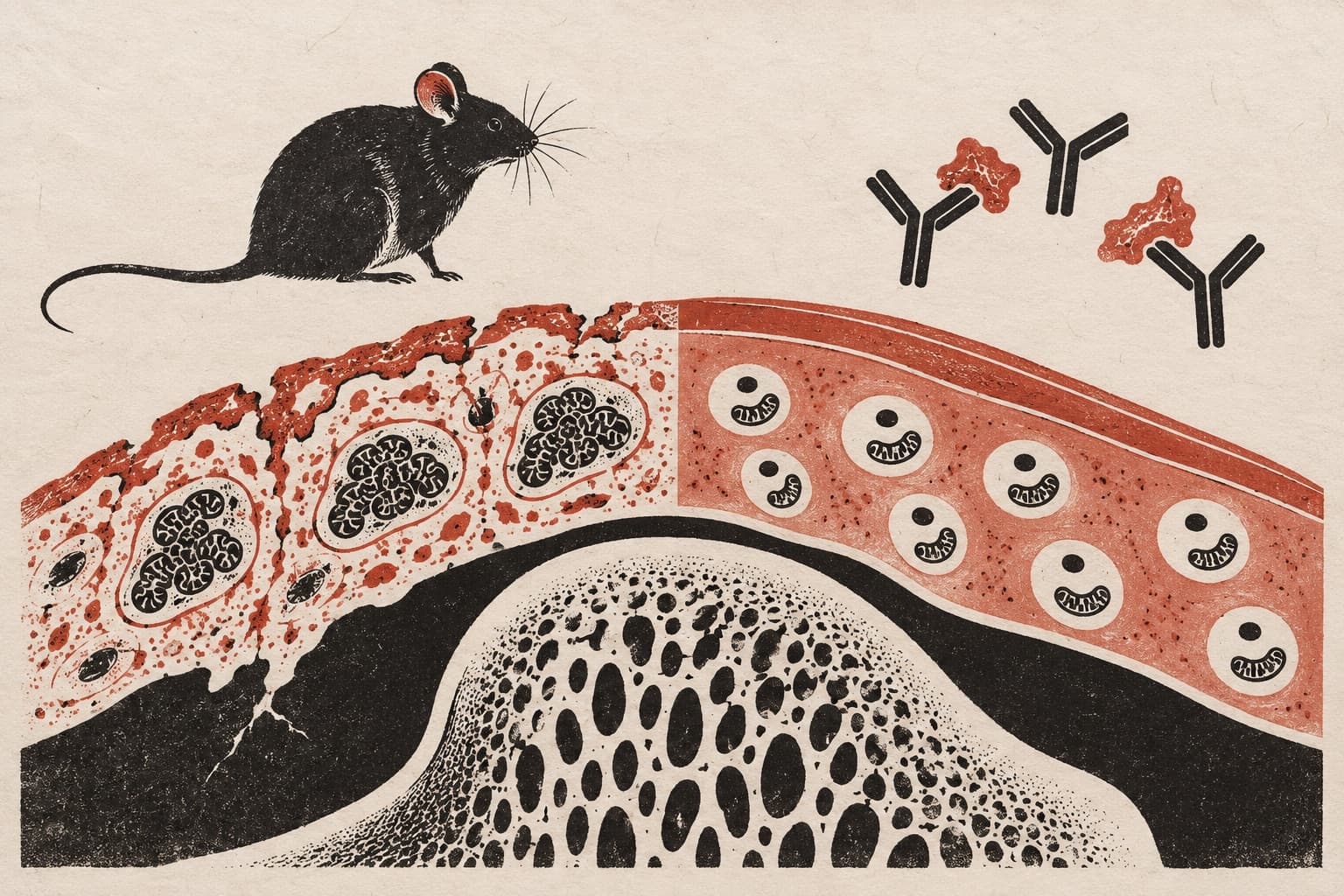
In an animal experiment, researchers tested a coated titanium implant surface in rats with age-related osteoporosis, a disease that weakens bones. The coating combined two substances intended to limit oxidative stress and the activity of cells that break down bone. Oxidative stress is an imbalance involving reactive molecules that can damage cells. The surface promoted bone formation around implants, improved spongy bone structure and improved how bone joined the implants.
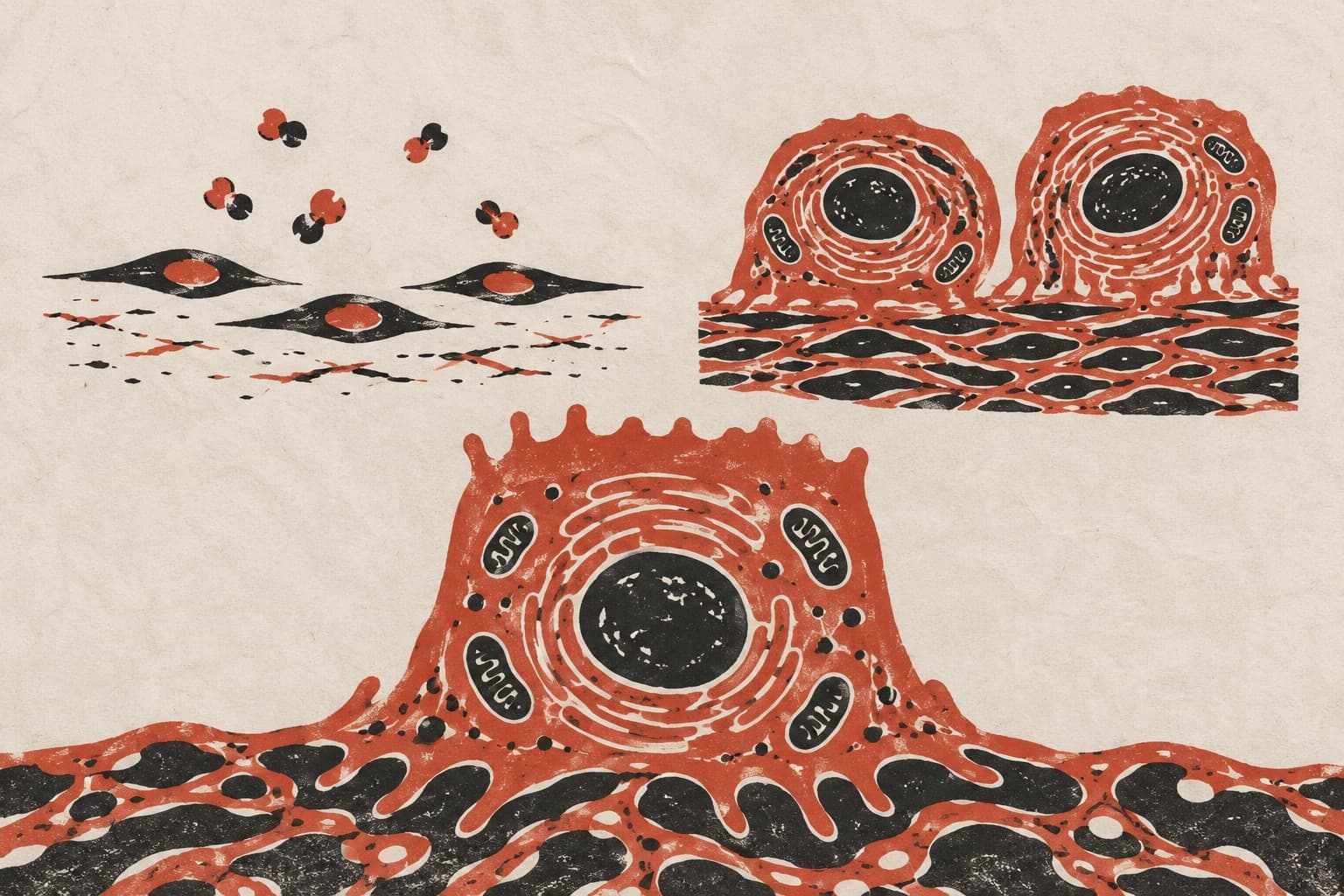
Separate experiments in cells grown in the lab found that the surface promoted bone marrow stem cells’ development towards bone-forming cells under conditions associated with senescence, a state in which cells stop dividing. The surface also reduced oxidative stress inside cells and inhibited the experimentally stimulated formation of cells that break down bone.
Why it matters
Age-related osteoporosis disrupts the balance between bone formation and breakdown. The work suggests a possible implant-surface strategy for supporting bone repair in this setting.
Caveats
These were animal and laboratory cell experiments, so they do not establish benefits in people. The abstract did not report the number of rats or the follow-up period.
- Risedronate sodium
- Thioctic acid
- Cell cycle regulation
- Extracellular matrix remodelling
- Senile osteoporosis
- Rats
The paper
Show 7 more authors
Hongchuan Tian, XinYu Yang, Yuan Zhang, Zenghui Zhao, 蒋电明, Zhengxue Quan, Guo Ai,The Affiliated Yongchuan Hospital of Chongqing Medical University
Advanced Healthcare Materials · 29 Sep 2026