Dual roles of immunosenescence in cancer immunotherapy
Abstract
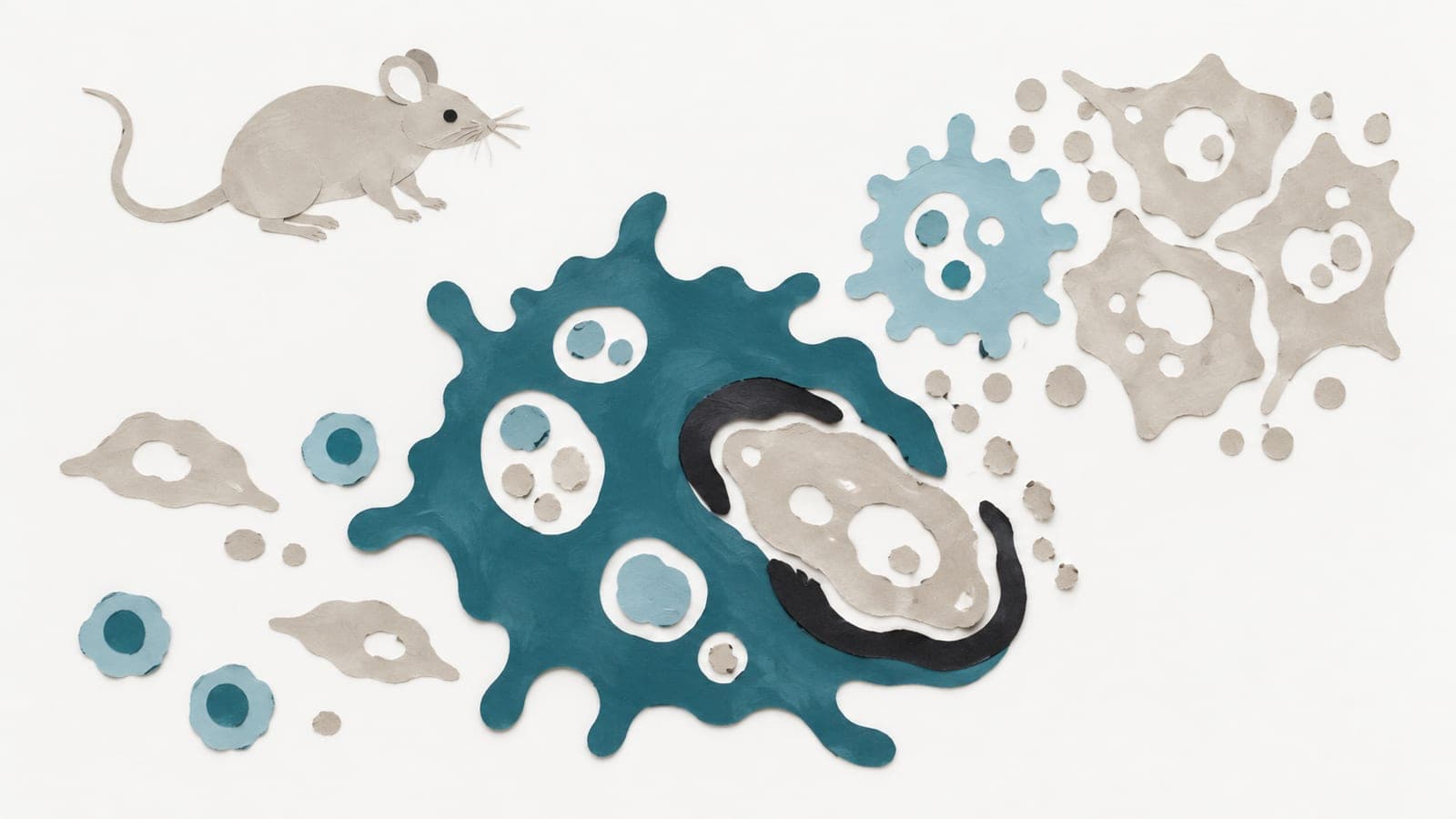
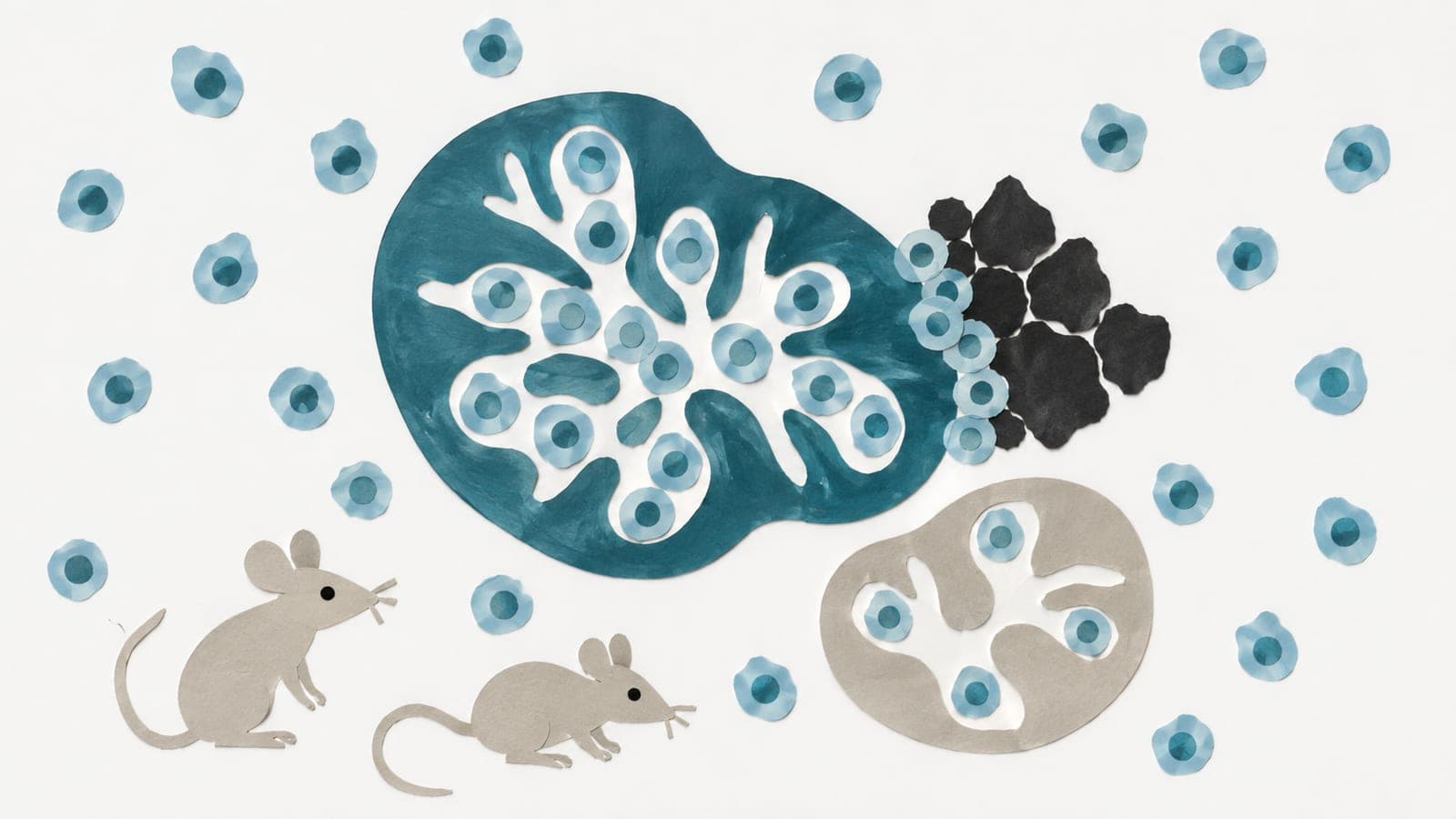
Cellular senescence of tumor-infiltrating immune cells represents a hallmark of tumorigenesis, characterized by functional decline and severely compromised anti-tumor immunity. A growing body of evidence indicates that immunosenescence is not only a significant biological phenomenon within the tumor microenvironment (TME) but also serves as a therapeutic target with dual regulatory potential. Previous reviews have thoroughly examined the biomarkers associated with immunosenescence and its overarching impact on aging and disease. Nonetheless, comprehensive analyses of its specific and dual roles in cancer immunotherapy outcomes are still lacking. Consequently, a novel paradigm has been proposed for targeting immunosenescence: modulating the function of senescent immune cells may offer innovative cancer treatment strategies. This review synthesizes the bidirectional relationship between immune cell senescence and tumor progression, systematically examining the interactions between senescent immune cells and tumor advancement, and underscores the key molecular mechanisms driving immune senescence within the TME. By elucidating the characteristics and functions of immune cell senescence in tumor development and immune evasion, we aim to uncover new therapeutic perspectives and highlight potential targets for cancer immunotherapy.
The paper
Sichuan University; University of Electronic Science and Technology of China
Frontiers in Immunology, 6 Mar 2026