Oral microbiome and Frailty: Insights from NHANES 2009-2012 and Mendelian Randomization Analysis
Abstract
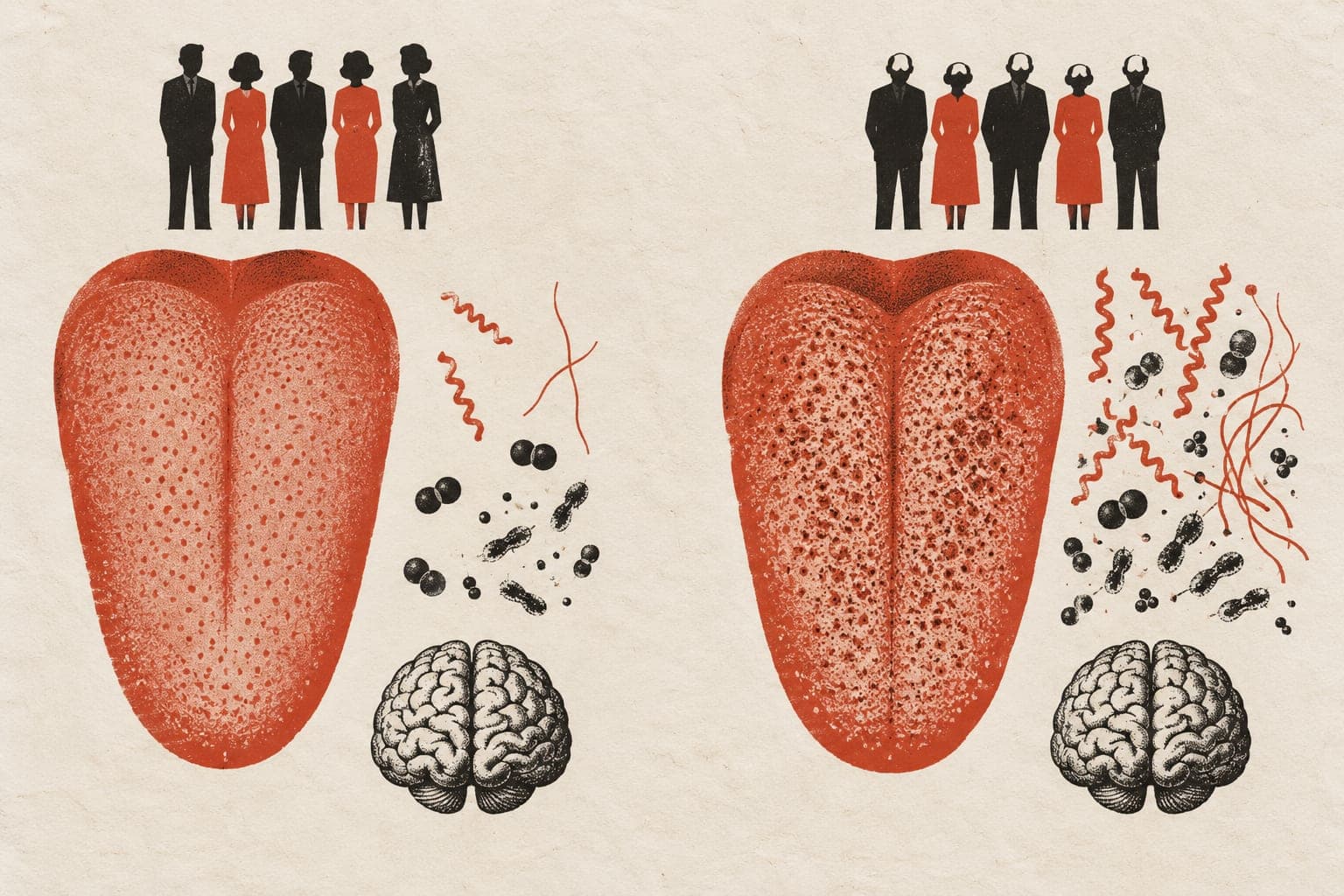
BACKGROUND: Frailty is associated with increased risks of disability, hospitalization, and mortality. Emerging evidence suggests that the oral microbiome may influence frailty development, but population-based evidence is limited and causal relationships remain unclear. This study explored the link between oral bacteria and frailty, using genetic analysis to investigate causality. METHODS: We analyzed data from 2,696 adults aged ≥50 years in NHANES 2009-2012. Oral microbiome diversity was assessed using 16S rRNA gene sequencing. Frailty was measured using a 36-item Frailty Index. Survey-weighted linear regression and restricted cubic spline models examined associations between four α-diversity indices and frailty. β-diversity was quantified using Bray-Curtis dissimilarities and compared by frailty status using PERMANOVA. Bidirectional two-sample Mendelian randomization (MR) using GWAS data assessed causal relationships between taxa and frailty. RESULTS: Lower α-diversity across all four indices were associated with higher frailty scores (P < 0.050). β-diversity differed by frailty (P = 0.001). MR analyses indicated that in saliva, Campylobacter_A, Saccharimonadaceae, and TM7x were protective, whereas Gemella was associated with increased frailty risk. In tongue samples, Saccharimonadaceae was a risk factor, while Fusobacterium, TM7x, and Solobacterium showed protective effects. CONCLUSIONS: Oral microbiome diversity is inversely associated with frailty in U.S. adults, and MR analyses identify specific oral taxa potentially involved in frailty development. These findings provide population-level evidence and genetic support for the oral microbiome as a potential modifiable target to promote healthy aging.
The paper
New York University; New York University Shanghai
The Journals of Gerontology, Series A, 19 Mar 2026