Molecular and Cellular Mechanisms of Sarcopenia: Integrating Fiber-Type Remodeling, Contractile Protein Dynamics, and Systemic Regulatory Pathways
Abstract
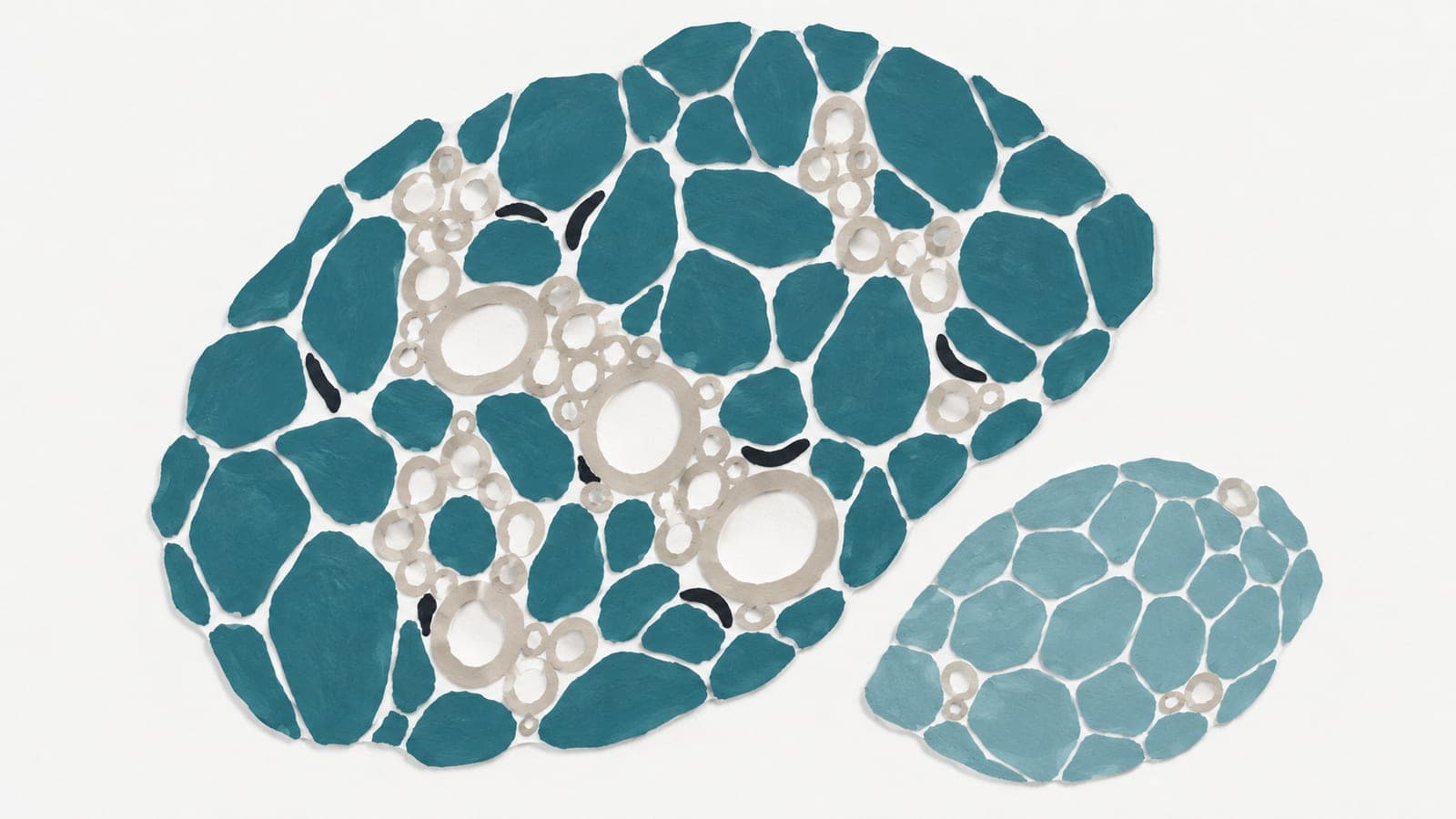
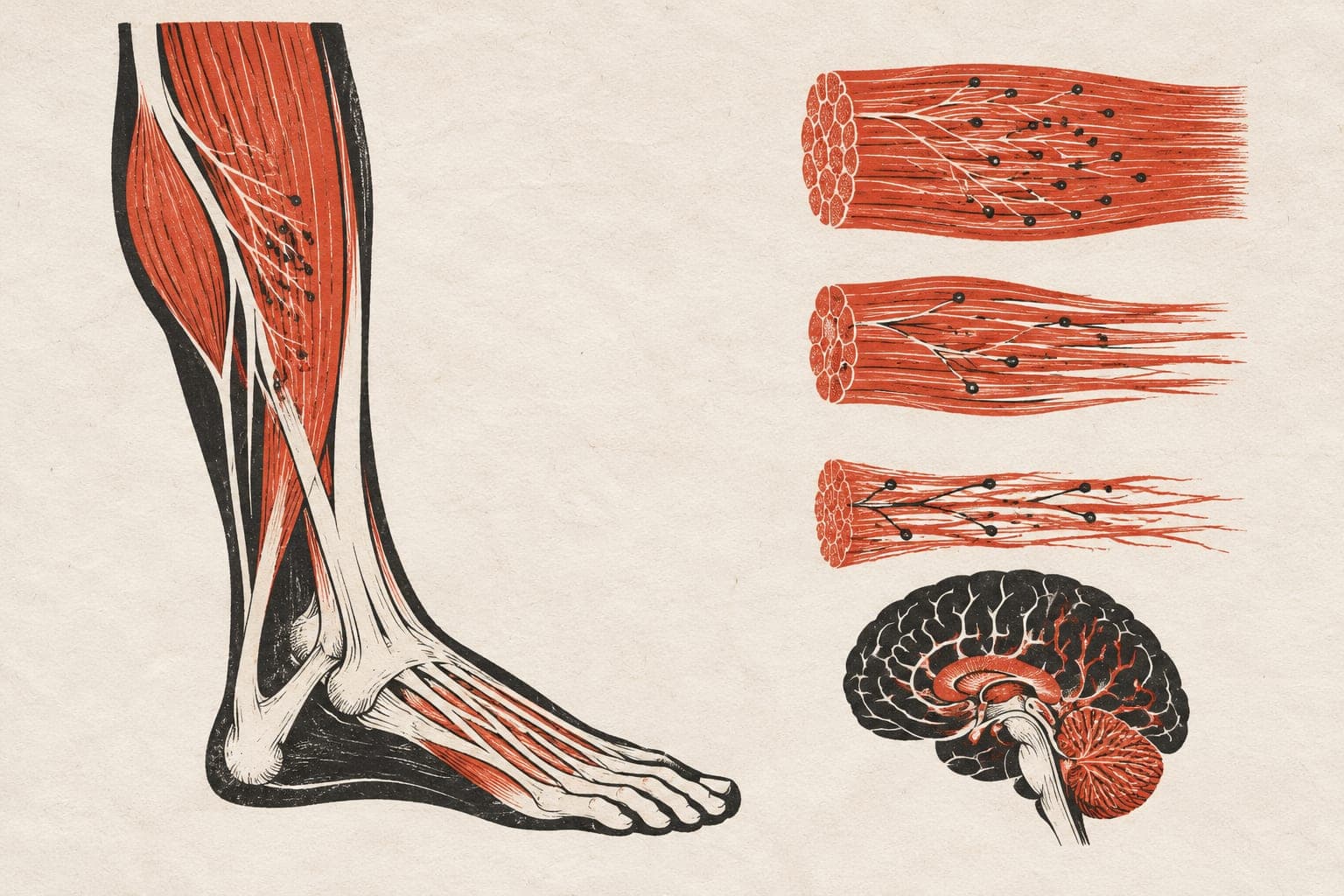
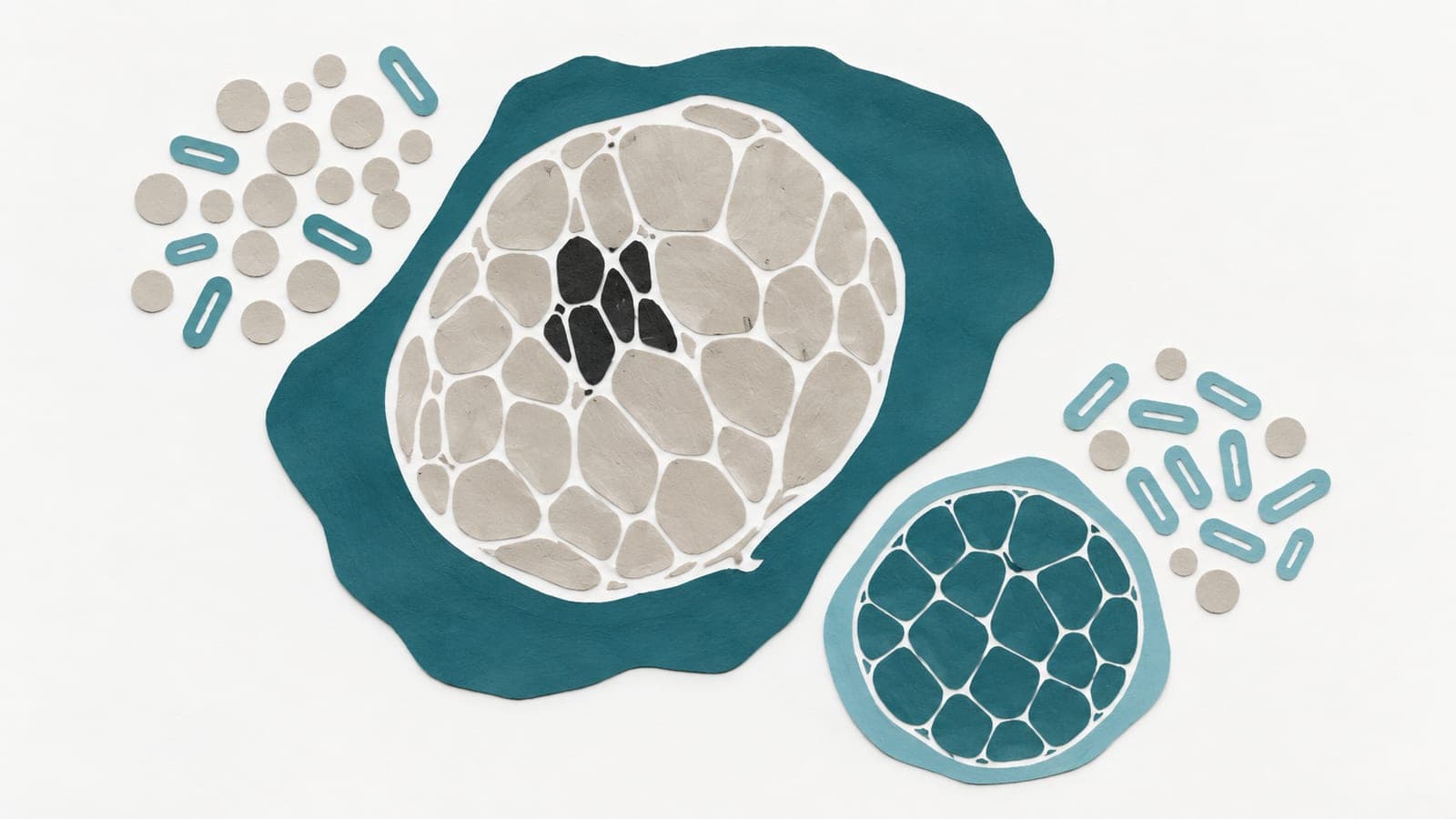
Sarcopenia is an age-associated skeletal muscle disorder characterized by progressive declines in muscle mass, strength, and functional performance. A central feature of sarcopenic remodeling is the preferential loss of fast-twitch (Type II) fibers and alterations in contractile protein composition, leading to reduced force generation and impaired muscle quality. Maintenance of skeletal muscle function depends on the integrity of the contractile apparatus, including myosin heavy chain isoforms, titin, actin, troponin, and associated structural proteins, which undergo quantitative and qualitative changes with aging. Multiple aging-related mechanisms including telomere attrition, epigenetic remodeling, mitochondrial dysfunction, ionic dyshomeostasis, hormonal alterations, and chronic low-grade inflammation converge on fiber-type regulation and sarcomeric stability. These upstream processes impair satellite cell renewal, disrupt excitation-contraction coupling, accelerate proteolysis of contractile proteins, and promote maladaptive fiber-type transitions. Ankyrins and muscle ankyrin repeat proteins (MARPs) further modulate sarcomere organization, mechanotransduction, and adaptive stress signaling. Age-related dysregulation of ankyrin-contractile protein interactions compromises structural stability and regenerative capacity, contributing to muscle weakness and frailty. Viewing sarcopenia through the integrated framework of fiber-type plasticity, contractile protein dynamics, and ankyrin-mediated regulation provides a unifying mechanistic perspective that links systemic aging processes to structural muscle decline. This approach highlights potential biomarkers and therapeutic targets for preserving muscle function in aging populations.
The paper
National Institute of Pharmaceutical Education and Research
Cell Biochemistry and Function, 1 Mar 2026