Reduction of calreticulin and ERp57 with age reveals the ER stress-related roles in cell viability and organismal lifespan regulation
Abstract
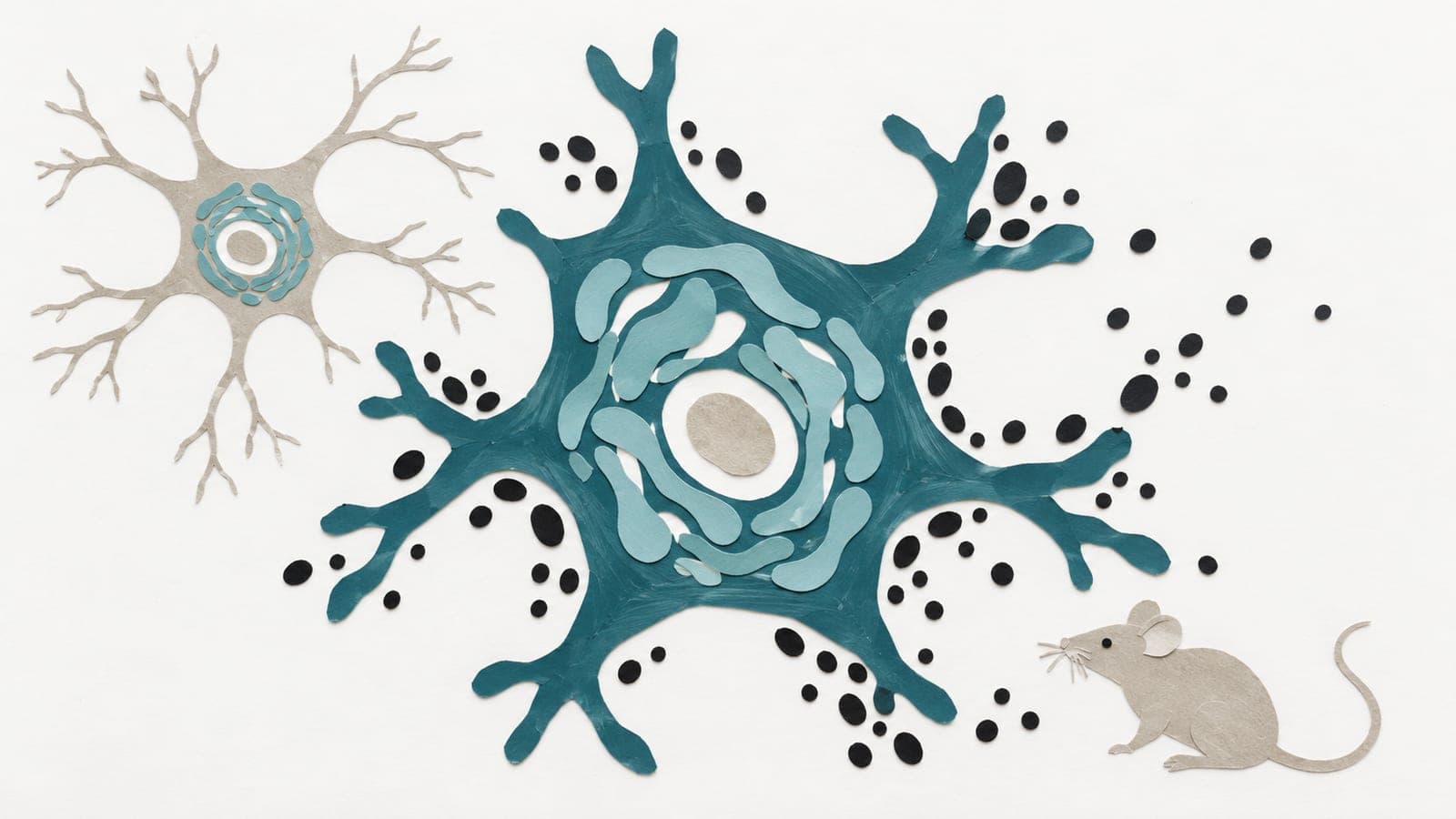
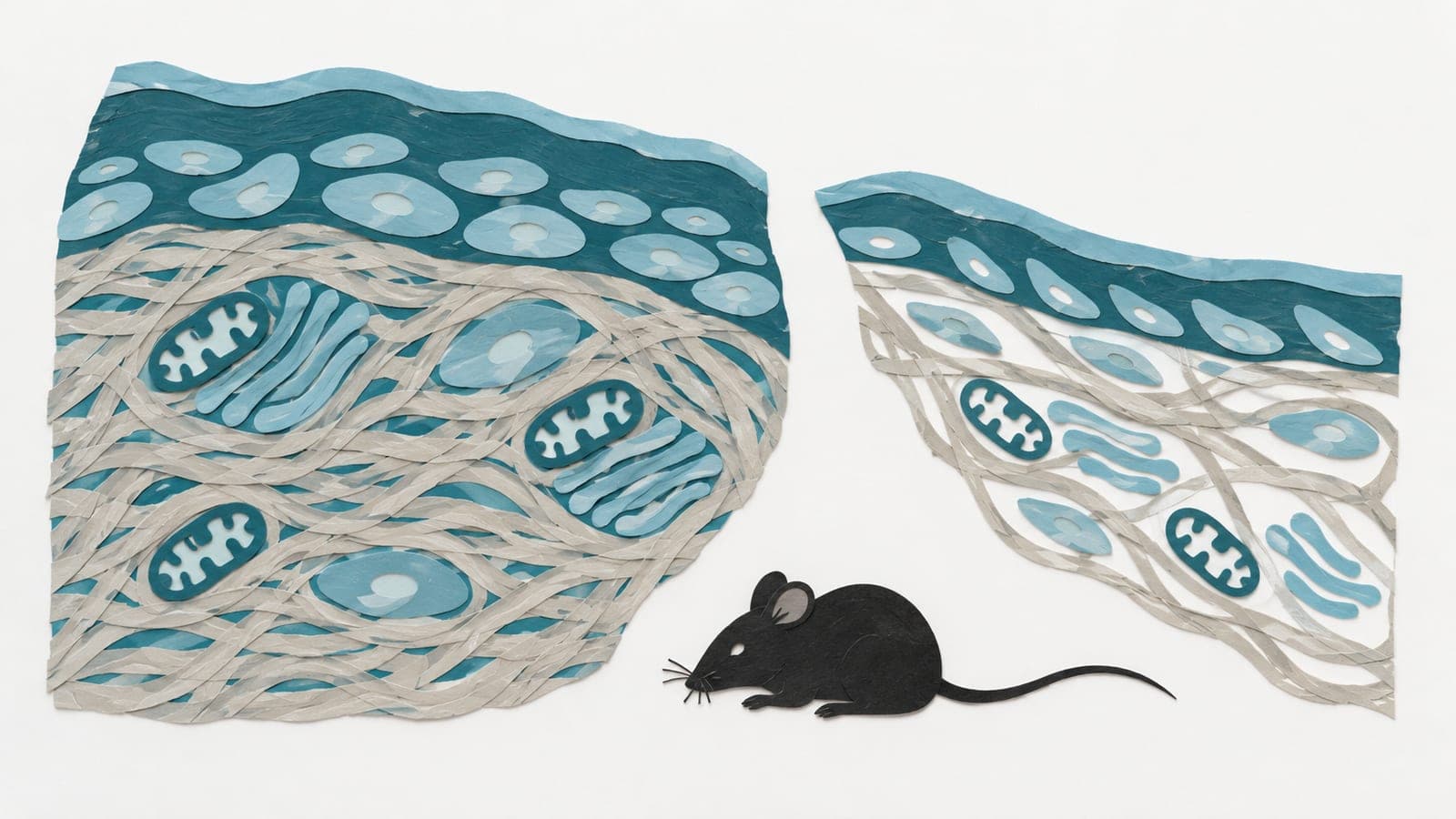
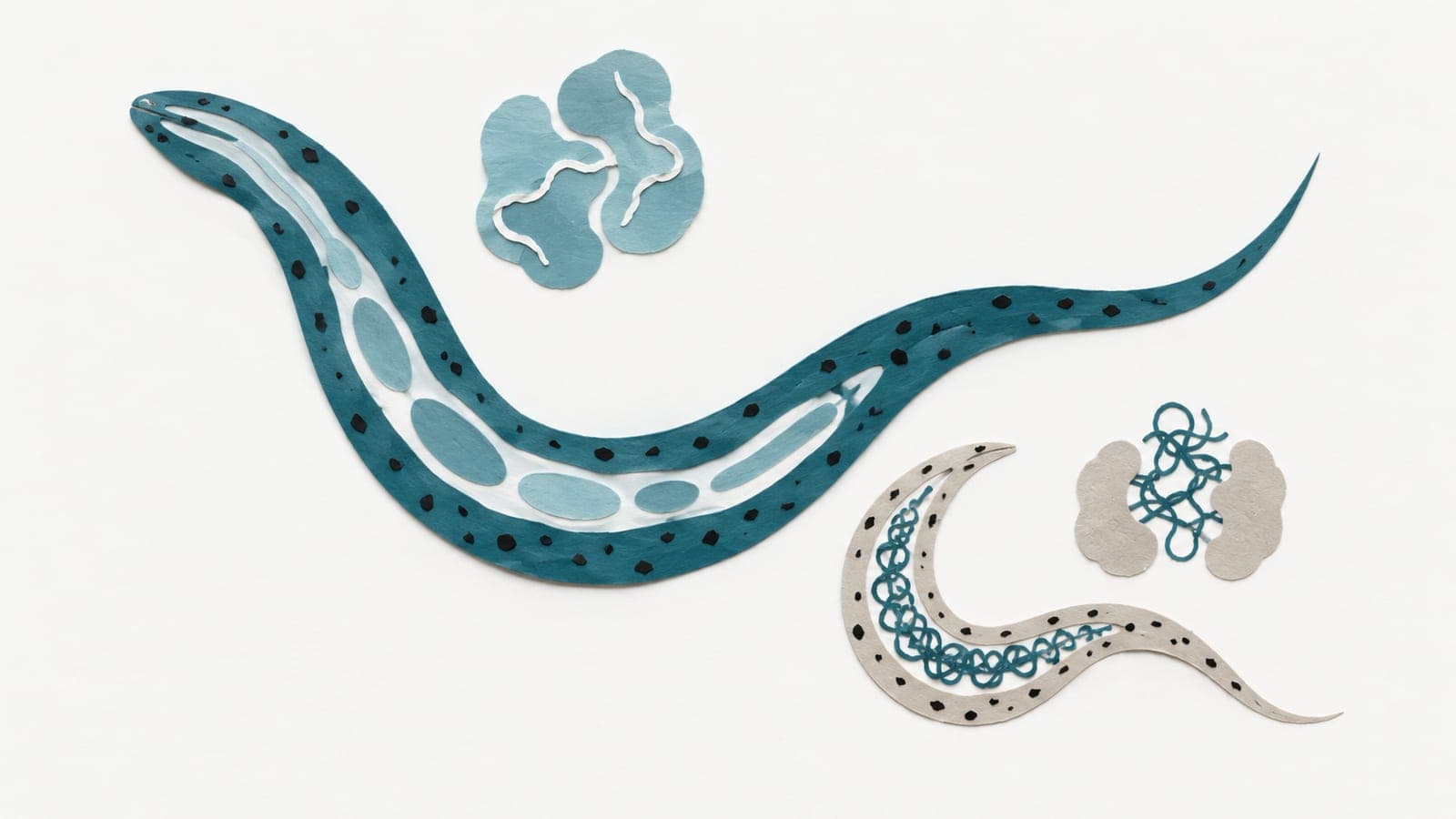
INTRODUCTION: Defects in Calreticulin (Calr) and ER protein 57 (ERp57), two tandem endoplasmic reticulum (ER) resident proteins, are associated with pathologies ranging from protein conformational disorders to impaired immune responses but are not directly linked to aging. METHODS: To address this question, we analyzed Calr and ERp57 protein levels in brain sections and liver tissues from young and old mice. To evaluate the age-related reduction of Calr and ERp57 in vivo and its physiological implications, lifespan and ER-stress assays were conducted using C. elegans strains. Subsequently, transient knockdown and overexpression of Calr and ERp57 were performed in N2a cells, followed by assessments of cell viability, protein aggregation, apoptotic pathways, and epistasis under both basal and stress conditions. RESULTS: Here, we report that Calr and ERp57 expression is ubiquitously decreased with age in mouse tissues, and RNAi-mediated inhibition of their homologs in C. elegans leads to ER stress-related lifespan shortening. Knockdown of Calr and ERp57 in N2a cells reduces cellular viability by exacerbating protein aggregation, ER stress, and activation of pro-apoptotic pathways. In contrast, overexpression of Calr and/or ERp57 in N2a cells results in a robust increase in stress tolerance, cell viability, and suppression of apoptotic signaling pathways. CONCLUSION: Taken together, our findings suggest that the age-related reduction of Calr and ERp57 may serve as a potential pro-aging biomarker, contributing to the disruption of ER homeostasis and affecting cell survival and organismal lifespan.
The paper
Research Institute for Farm Animal Biology (FBN); Max Planck Institute for Biology of Ageing
Frontiers in Aging, 19 Feb 2026