Osteolineage cells ablation promotes skin aging phenotypes via dysregulated bone marrow macrophages
Abstract
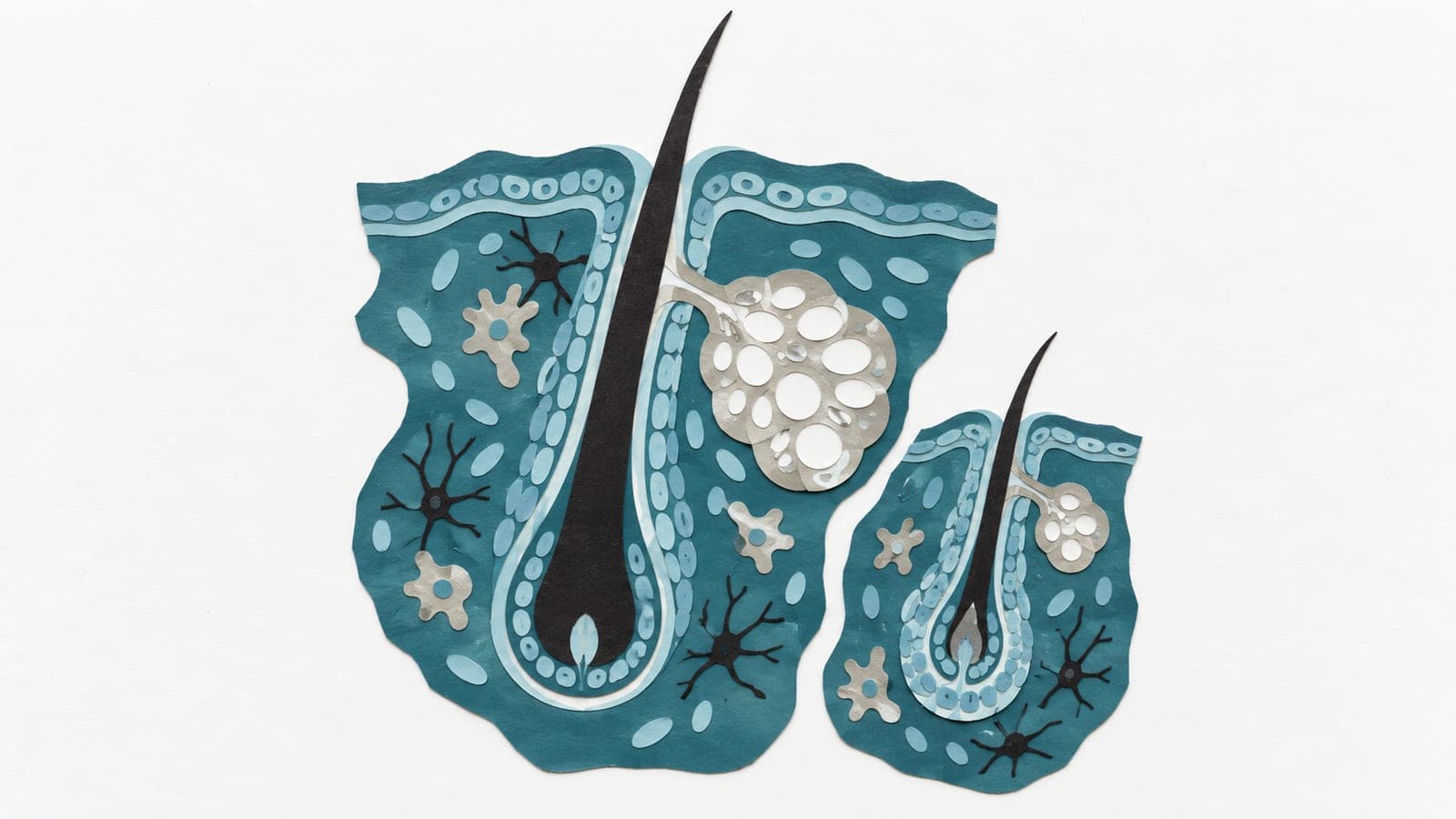
Clinical evidence links bone loss to skin thinning during aging, yet the causal role of bone in skin regulation remains unclear. Here, we show that the partial ablation of osteolineage cells induces skin aging, manifested by dermal thinning, reduced epidermal proliferation, delayed wound healing, and impaired hair regeneration. Single-cell RNA sequencing revealed that osteolineage cells ablation profoundly alters bone marrow macrophages, characterized by pro-inflammatory activation, metabolic dysregulation, and enhanced SASP signaling, accompanied by myeloid skewing. These dysfunctional macrophages infiltrated the skin and were associated with aging-like changes in skin parenchymal cells, including impaired epithelial differentiation, hair follicle stem cell dysfunction, and increased inflammation. Integration with published aging skin datasets confirmed that osteolineage cells ablation recapitulates key molecular features of natural skin aging. Together, our findings identify a skeletal-immune-skin axis linking bone marrow homeostasis to peripheral tissue aging.