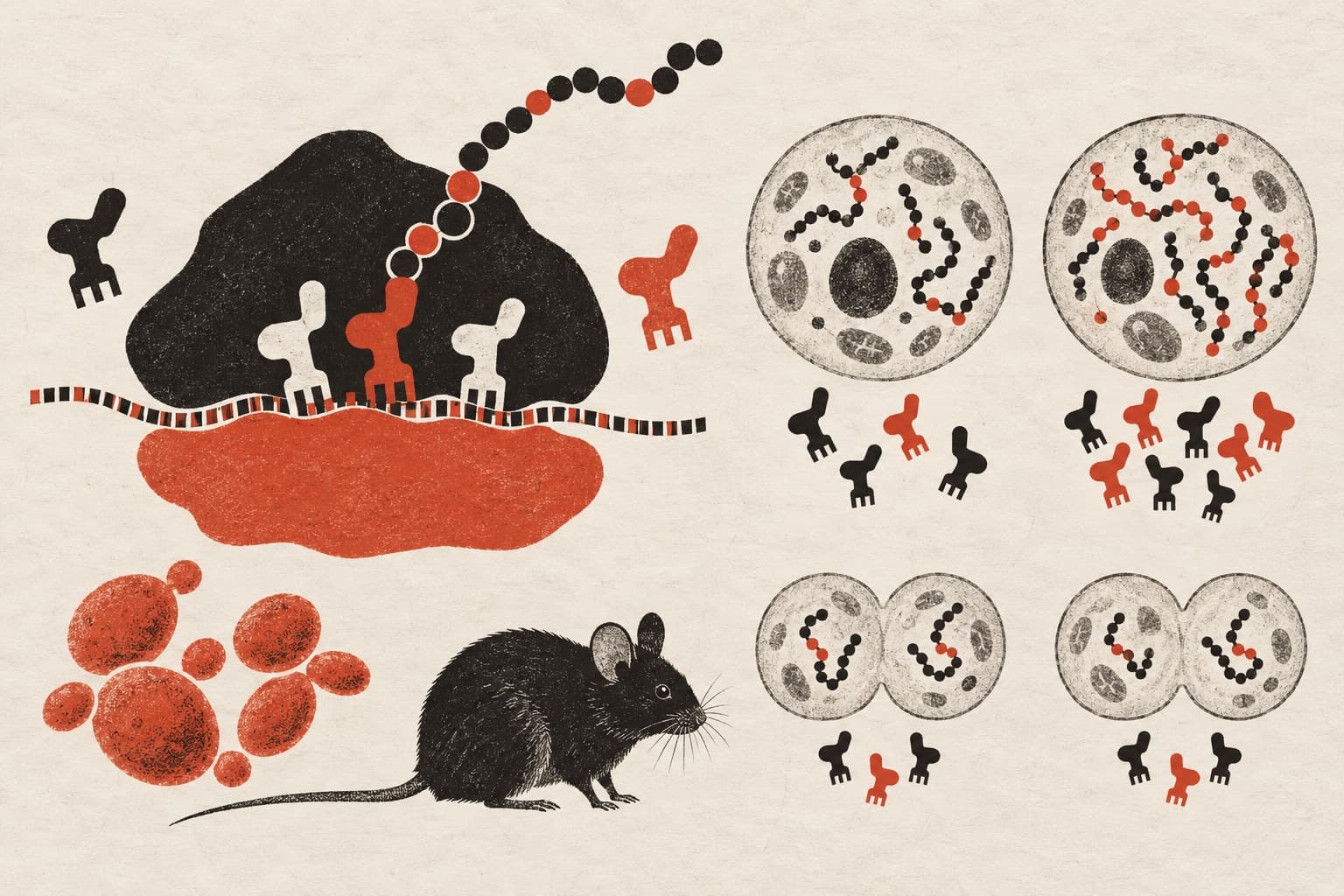
The function of mRNA quality control in aging and age-related diseases
Abstract
Aging is a complex biological process characterized by the gradual decline of physiological and molecular functions and increased susceptibility to age-associated diseases. Emerging evidence indicates the role of mRNA quality control mechanisms in the regulation of aging and longevity. This review focuses on the function of mRNA surveillance mechanisms, including nonsense-mediated mRNA decay, nonstop decay, and no-go decay, in aging and age-related diseases. We discuss the critical roles of these pathways in maintaining mRNA quality and preventing the accumulation of aberrant transcripts, which can contribute to aging and age-related disorders. Specifically, we discuss the function of nonsense-mediated mRNA decay in aging processes and age-related diseases, including cancer and neurodegenerative disorders. We also review the safeguarding roles of nonstop decay and no-go decay in preventing the accumulation of faulty mRNAs and proteins associated with various diseases. We explore the potential functions of additional mRNA surveillance and the associated signaling pathways, such as ribosome-associated quality control, in aging and age-related diseases. Understanding the intricate relationship between mRNA surveillance mechanisms and aging may provide key information for developing potential therapeutics that boost these pathways for delaying aging and treating age-related diseases.
The paper
Korea Advanced Institute of Science and Technology
The Journal of Biological Chemistry, 6 Mar 2026