CCL18 binding to MAPT promotes chronic obstructive pulmonary disease by inhibiting autophagy and triggering cell senescence
Abstract
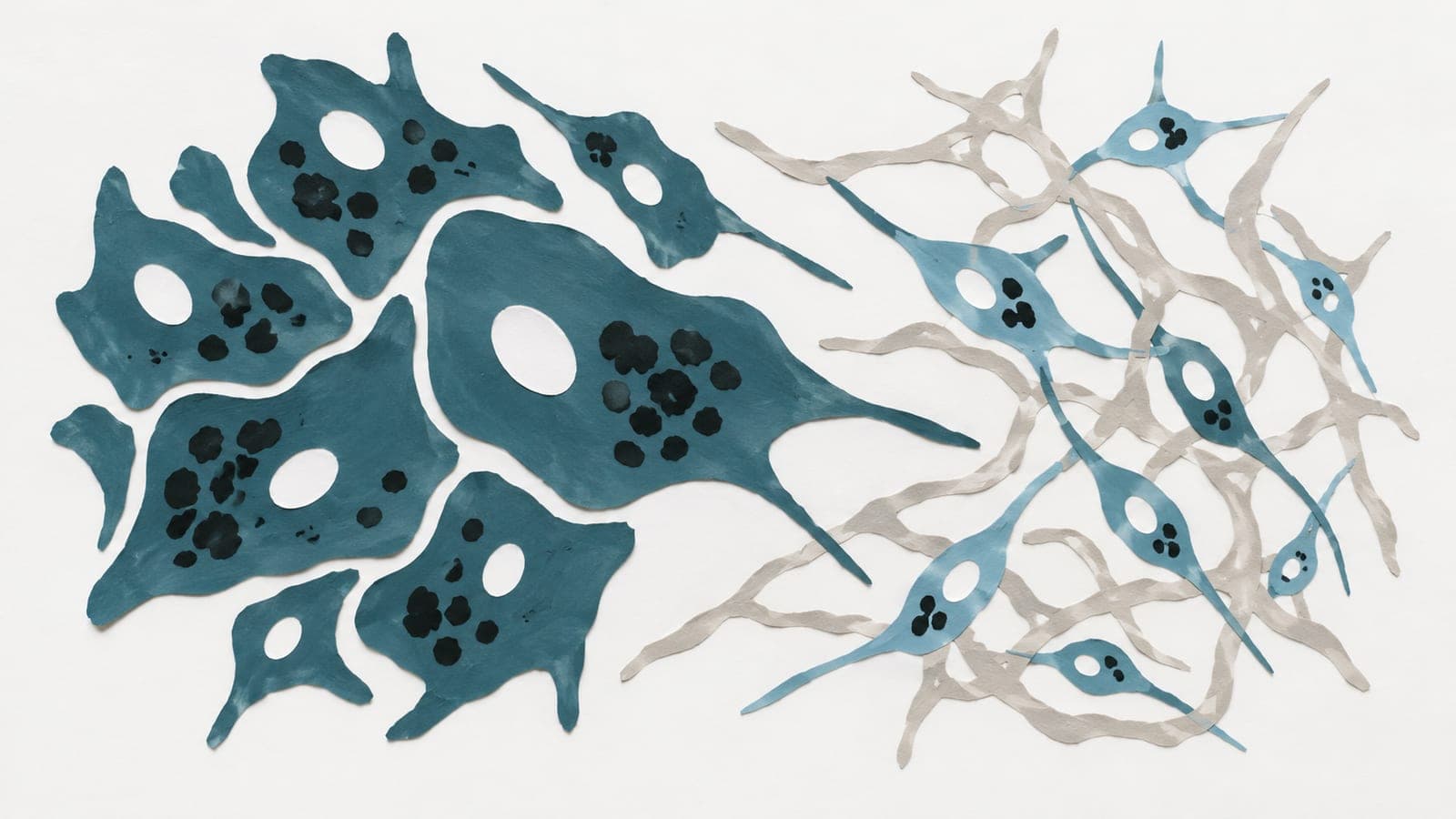
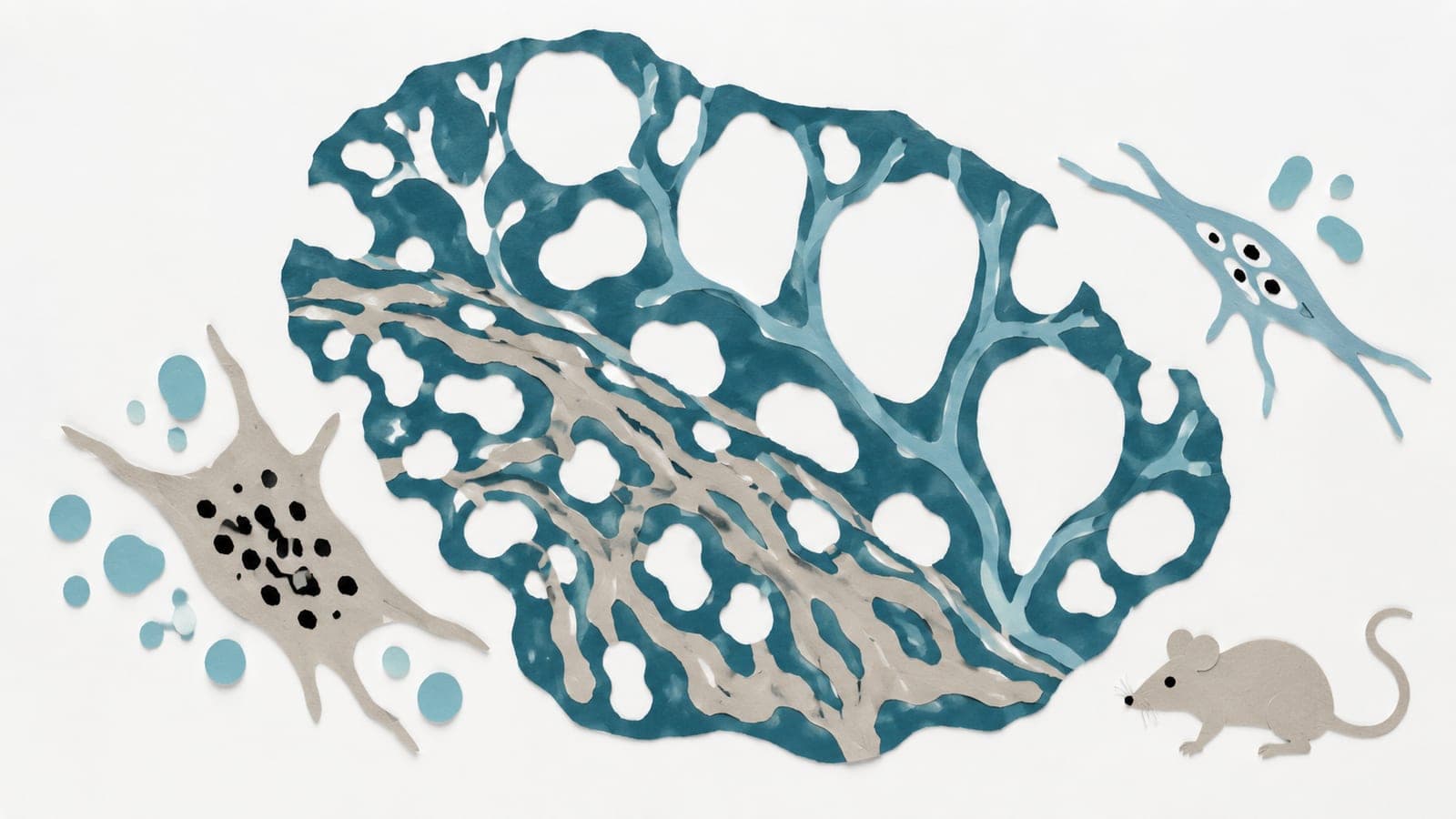
The expression of the chemokine CCL18 is upregulated in chronic obstructive pulmonary disease (COPD), yet its role in disease progression remains unclear. This study aimed to determine whether CCL18 participates in the pathogenesis of COPD through MAPT-mediated regulation of autophagy and cellular senescence. COPD animal and cell models were established using cigarette smoke (CS) and cigarette smoke extract (CSE). Analyses were conducted using RT-qPCR, Western blot, SA-β-Gal staining, flow cytometry, ELISA, and H&E staining. The results revealed that CCL18 expression was elevated in clinical COPD samples and experimental models. Knockdown of CCL18 expression suppressed the mRNA expression of the cellular senescence markers VEGF and MMP1, as well as the p27, p16, and p21 proteins, while it promoted the expression of Lamin B1, LC3Ⅱ/Ⅰ, and Beclin1 proteins. It also reduced the levels of IL-6, IL-1β, TNF-α, and ROS; alleviated pathological lung injury in mice; and delayed COPD progression. Mechanistic studies revealed that CCL18 inhibits autophagy by upregulating MAPT expression, thereby promoting cellular senescence and accelerating the development of COPD. These findings suggest that targeted downregulation of CCL18 expression may offer a novel therapeutic strategy for COPD.
The paper
Kunming University of Science and Technology
Tissue & Cell, 25 Feb 2026