Roles of different types of collagen in skin aging and their research progress
Abstract
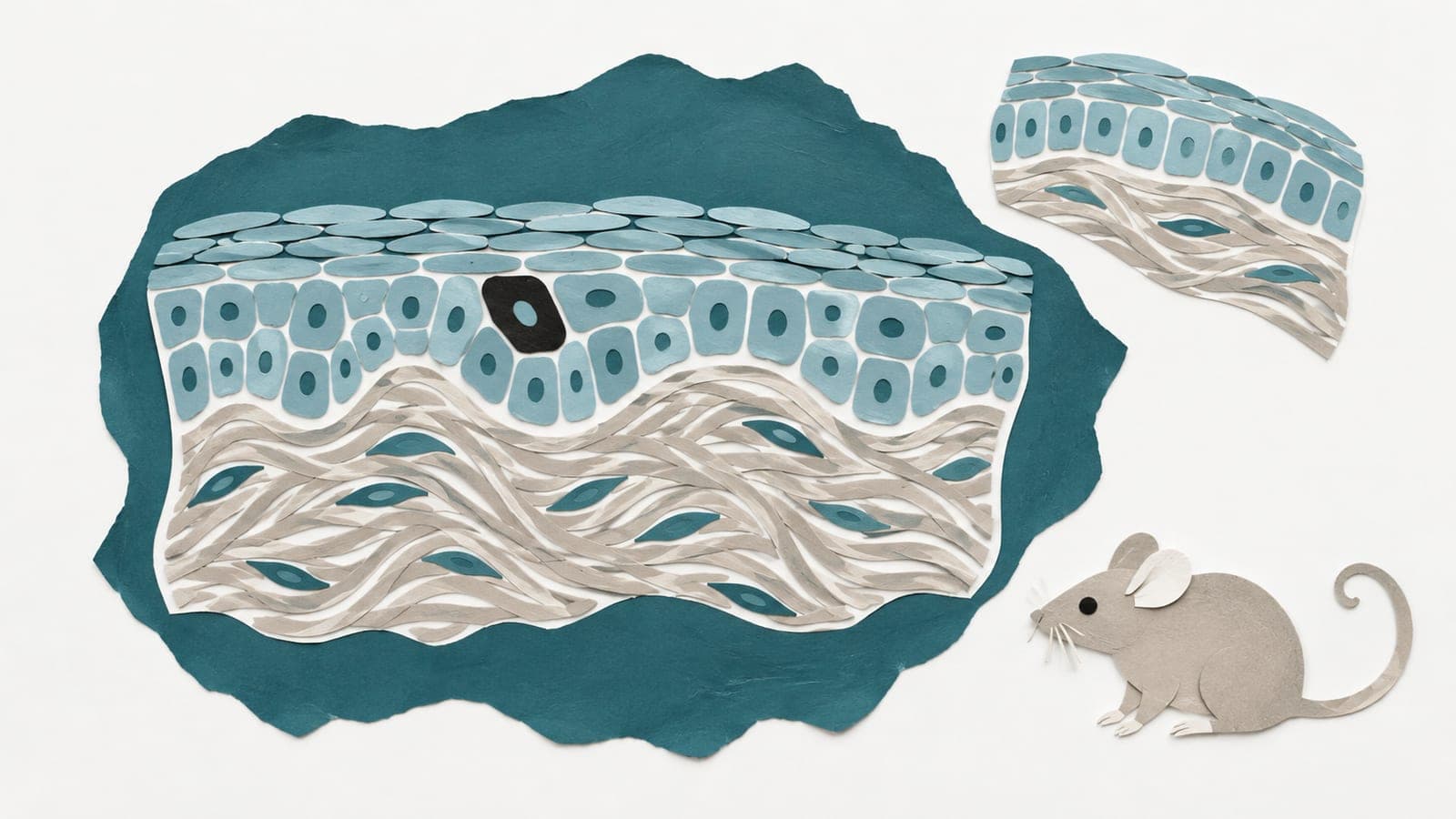
The loss of collagen is one of the core mechanisms of skin aging. Since collagens are among the most abundant proteins in the human body, their dynamic balance is crucial for maintaining the structure and functions of the skin. This paper systematically introduces the functions and action mechanisms of type I, III, IV, VII, and XVII collagens, which play key roles in the process of skin aging. Type I collagen mainly provides mechanical support to the dermis; type III collagen enhances skin elasticity and assists in barrier repair; type IV collagen maintains the stability of the basement membrane; type VII collagen mediates epidermal-dermal anchoring; and type XVII collagen regulates the homeostasis of epidermal stem cells. Furthermore, this paper deeply discusses the research progress in anti-aging strategies based on the mechanism of collagen loss, including the application of antioxidants to reduce oxidative damage to collagen, the use of new active ingredients to stimulate collagen synthesis, and the promotion of endogenous collagen regeneration by supplementing collagen peptides and other methods. This review aims to integrate the functional network of different types of collagens in skin aging, providing new perspectives and ideas for the development of multi-dimensional and synergistic anti-aging strategies.
- Antioxidants
- Collagen peptides
- Extracellular matrix remodelling
- Oxidative stress and ROS signalling
- Stem cell maintenance
- Humans
The paper
China Agricultural University; Ltd.
Sheng Wu Gong Cheng Xue Bao, 25 Sep 2025