Bariatric Surgery in the Management of Metabolic Dysfunction-Associated Steatotic Liver Disease: Long-Term Benefits for Liver Health
Abstract
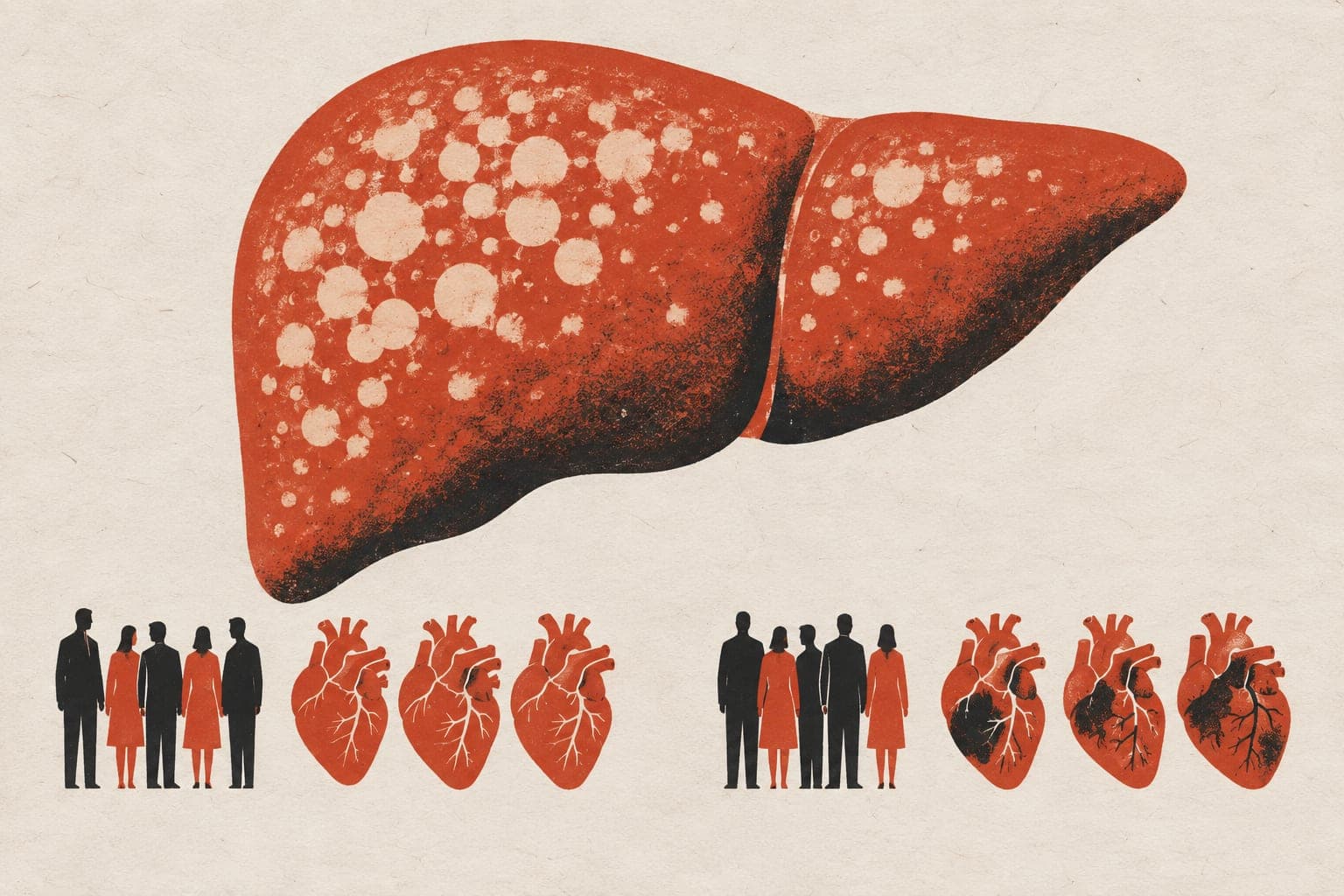
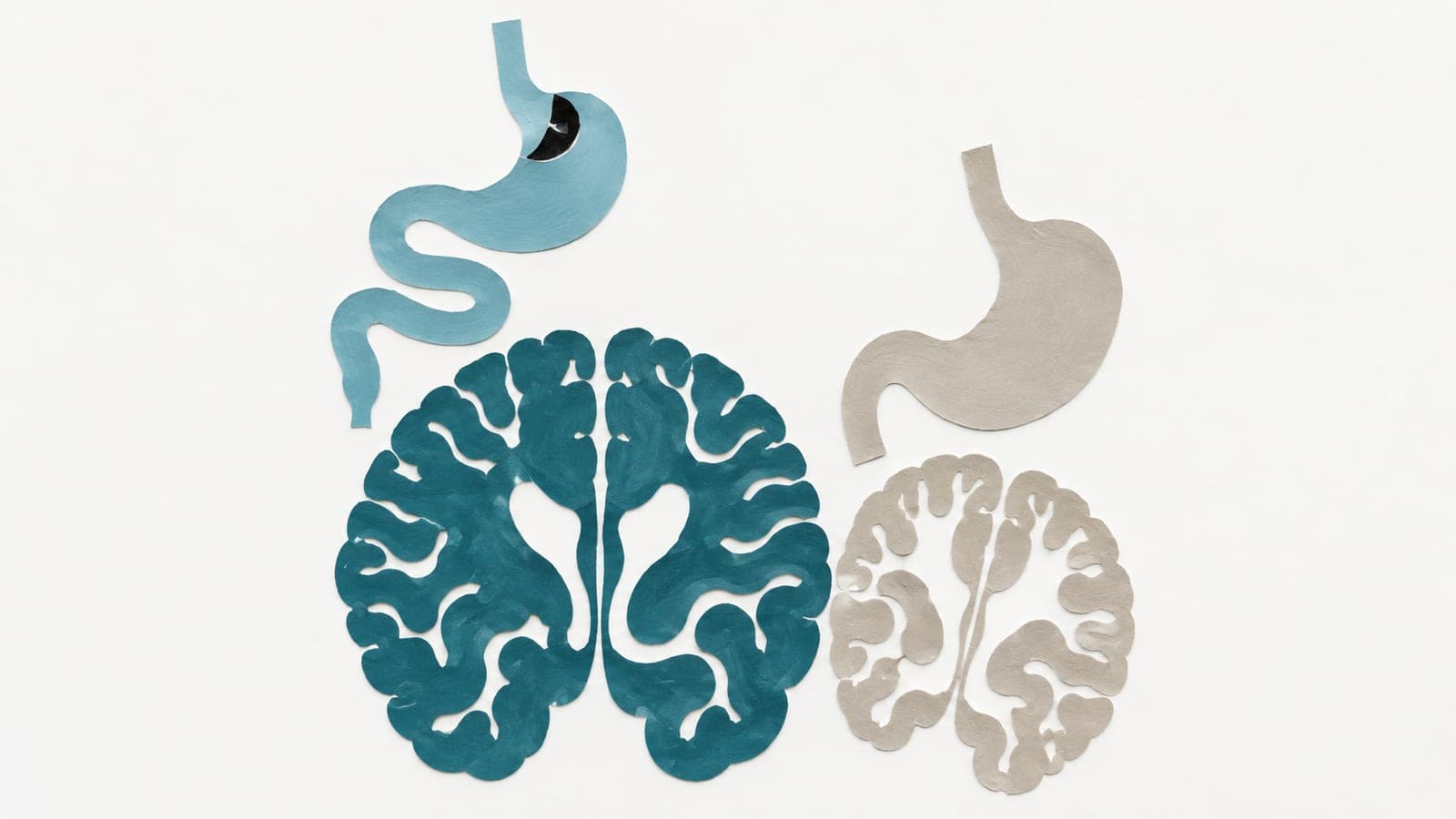
OBJECTIVE: To review the physiological, hormonal, and molecular mechanisms through which bariatric surgery-particularly sleeve gastrectomy (SG) and Roux-en-Y gastric bypass (RYGB)-modifies liver disease progression in metabolic dysfunction-associated steatotic liver disease (MASLD). METHODS: A narrative review of current literature examining clinical outcomes, mechanistic pathways, and long-term hepatic and cardiometabolic effects of SG and RYGB in patients with MASLD. RESULTS: Both SG and RYGB induce sustained weight loss and durable metabolic improvements. Beyond caloric restriction, these procedures promote significant alterations in gut hormones, bile acid signaling, insulin sensitivity, systemic inflammation, and adipose-liver crosstalk. Clinical evidence demonstrates marked reductions in hepatic steatosis and inflammation, with partial fibrosis regression in selected patients. Bariatric surgery is also associated with decreased incidence of cirrhosis, hepatocellular carcinoma, cardiovascular events, and improved overall survival and quality of life. CONCLUSION: Bariatric surgery represents a disease-modifying intervention in MASLD, exerting metabolic and hepatic benefits that extend beyond weight reduction. It should be considered an integral component of multidisciplinary management, particularly in patients with obesity and high cardiometabolic risk.
- Bariatric surgery
- Roux-en-y gastric bypass
- GLP-1 and incretin signalling
- Inflammation
- Metabolic dysfunction-associated steatotic liver disease
- Humans
The paper
Hospital Médica Sur; Universidad Nacional Autónoma de México
Endocrine Practice, 30 Jan 2026