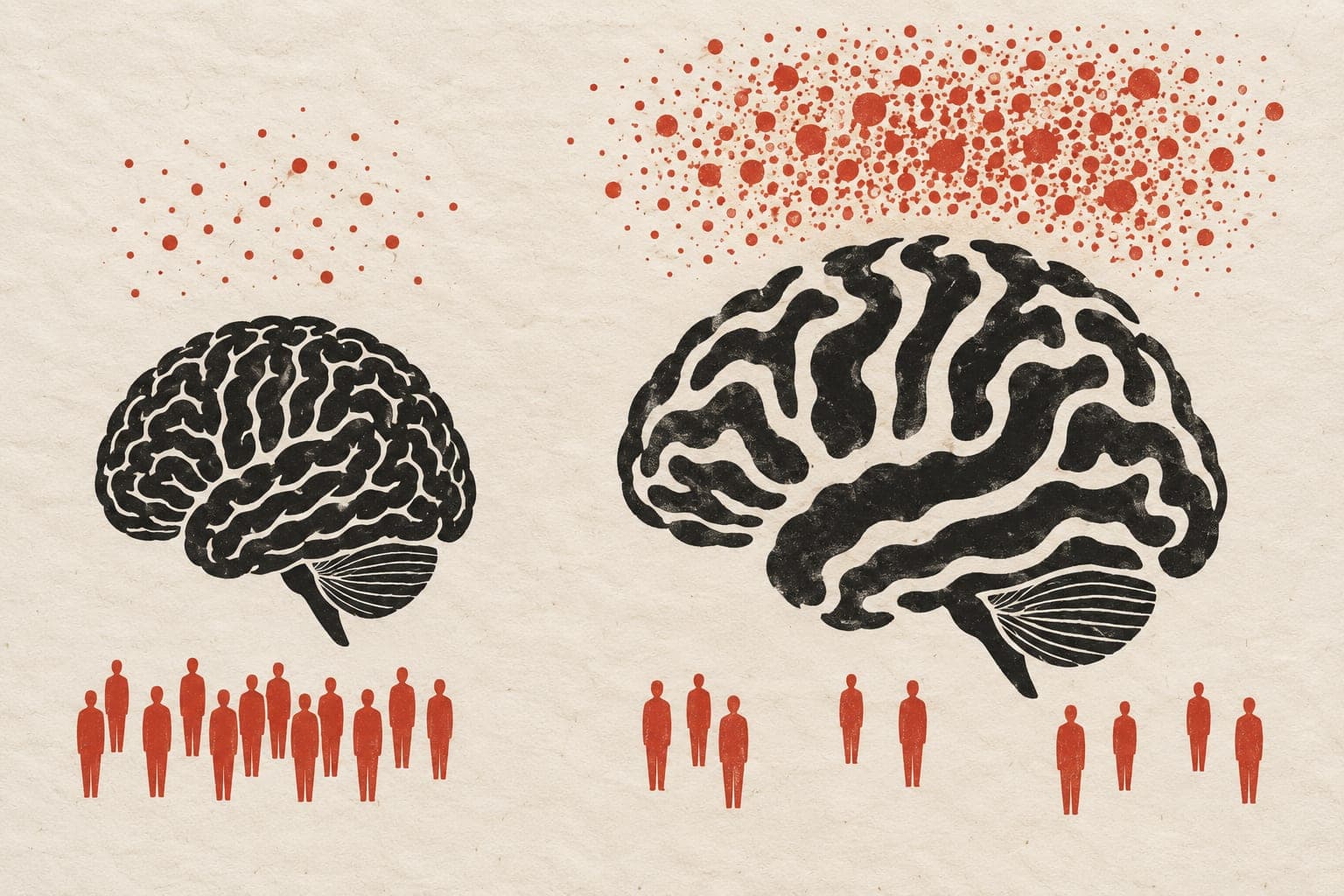
Weight-loss surgery linked to lower dementia and Parkinson's risk
Rates of dementia and Parkinson's disease were lower after surgery, with hazard ratios of 0.48 and 0.70 compared with matched people without surgery.
International Journal of Obesity
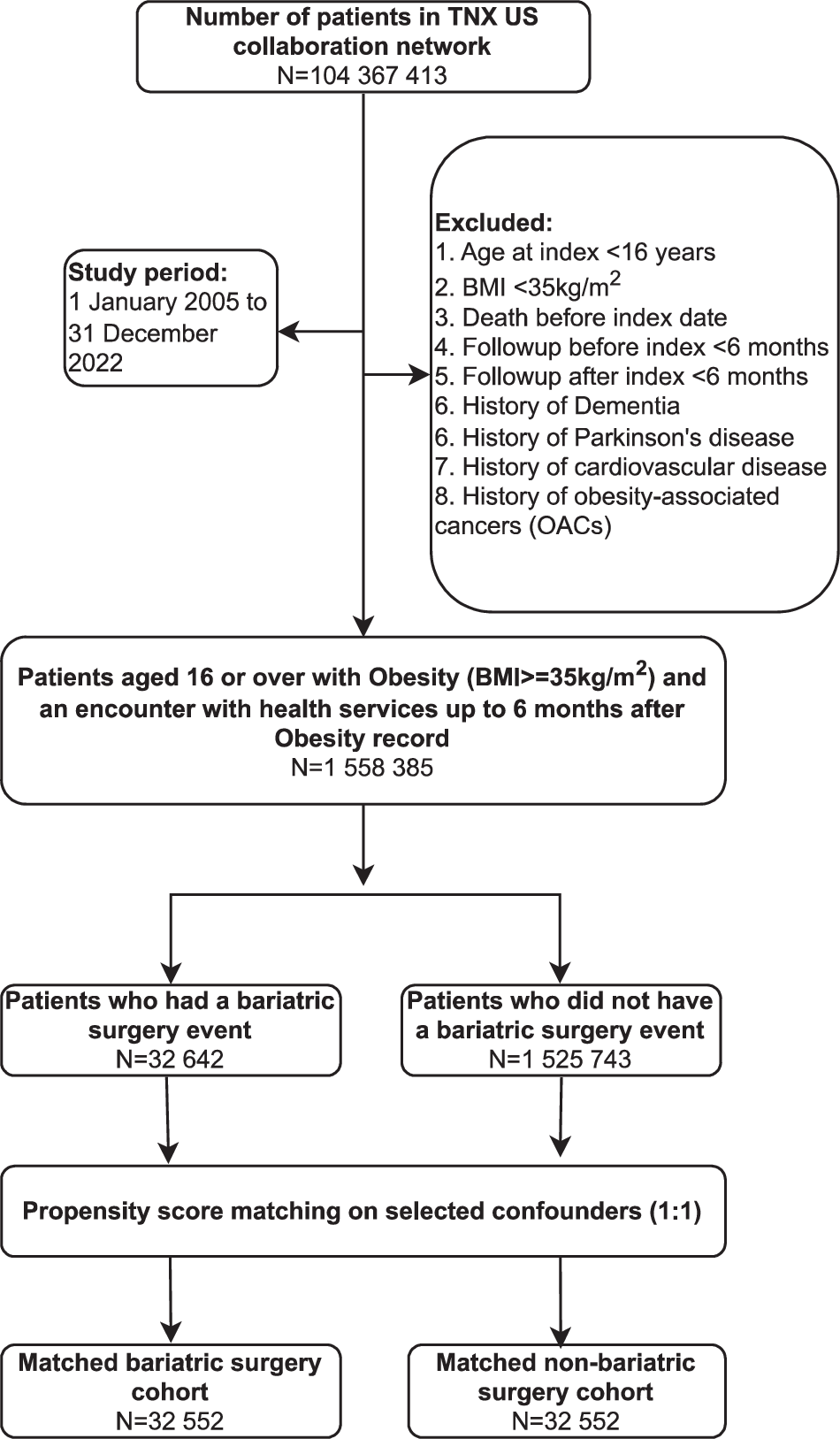
In an observational cohort study of electronic health records, researchers analysed 32,552 people aged 16 and older with a body mass index of at least 35 who had bariatric surgery, matched with 32,552 people who did not. Follow-up lasted a median of 4.7 years in the surgical group and 5.9 years in the non-surgical group. Compared with people who did not have the procedure, those who had bariatric surgery had lower incidence rates of dementia, with a hazard ratio of 0.48, and Parkinson's disease, with a hazard ratio of 0.70. The surgical group also had lower rates of cardiovascular disease, obesity-associated cancers, and death from any cause.
Why it matters
Dementia and Parkinson's disease are neurodegenerative conditions that become more common with age. The findings suggest that bariatric surgery may offer potential neuroprotective and systemic health benefits in individuals with a body mass index of at least 35.
Caveats
Because this was an observational study based on electronic health records rather than a randomised trial, unmeasured differences between patients who choose surgery and those who do not could influence the results. The median follow-up was also under six years, limiting the ability to track long-term neurodegenerative outcomes.
The paper
Bariatric surgery and risk of dementia and Parkinson's disease in patients with obesity
Show 4 more authors
Gema Hernandes, Melanie J Davies, Kamlesh Khunti, Thomas Yates,Leicester General Hospital
International Journal of Obesity · 7 Oct 2026