Role of lysosomal morphology in aging and age-related diseases
Abstract
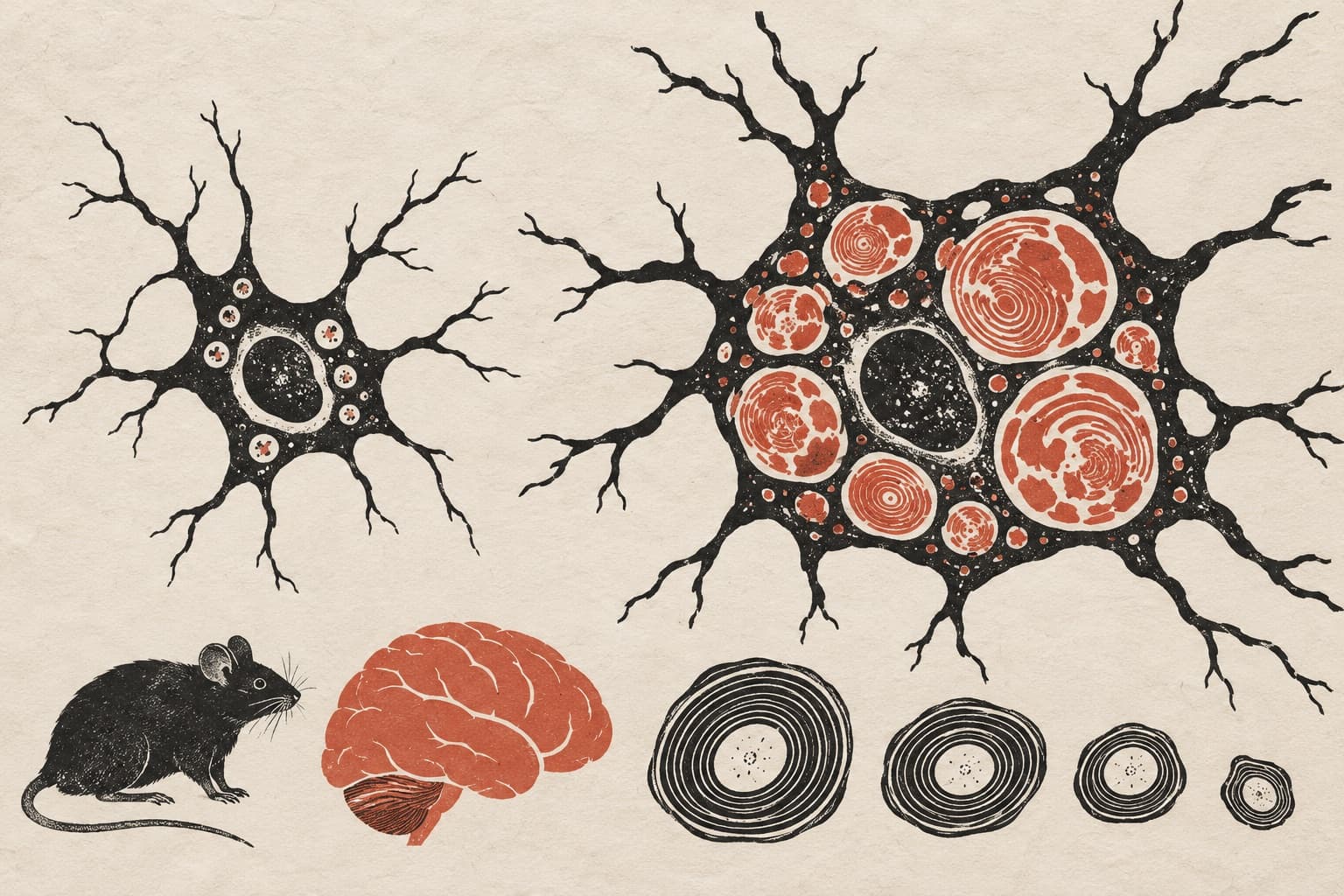
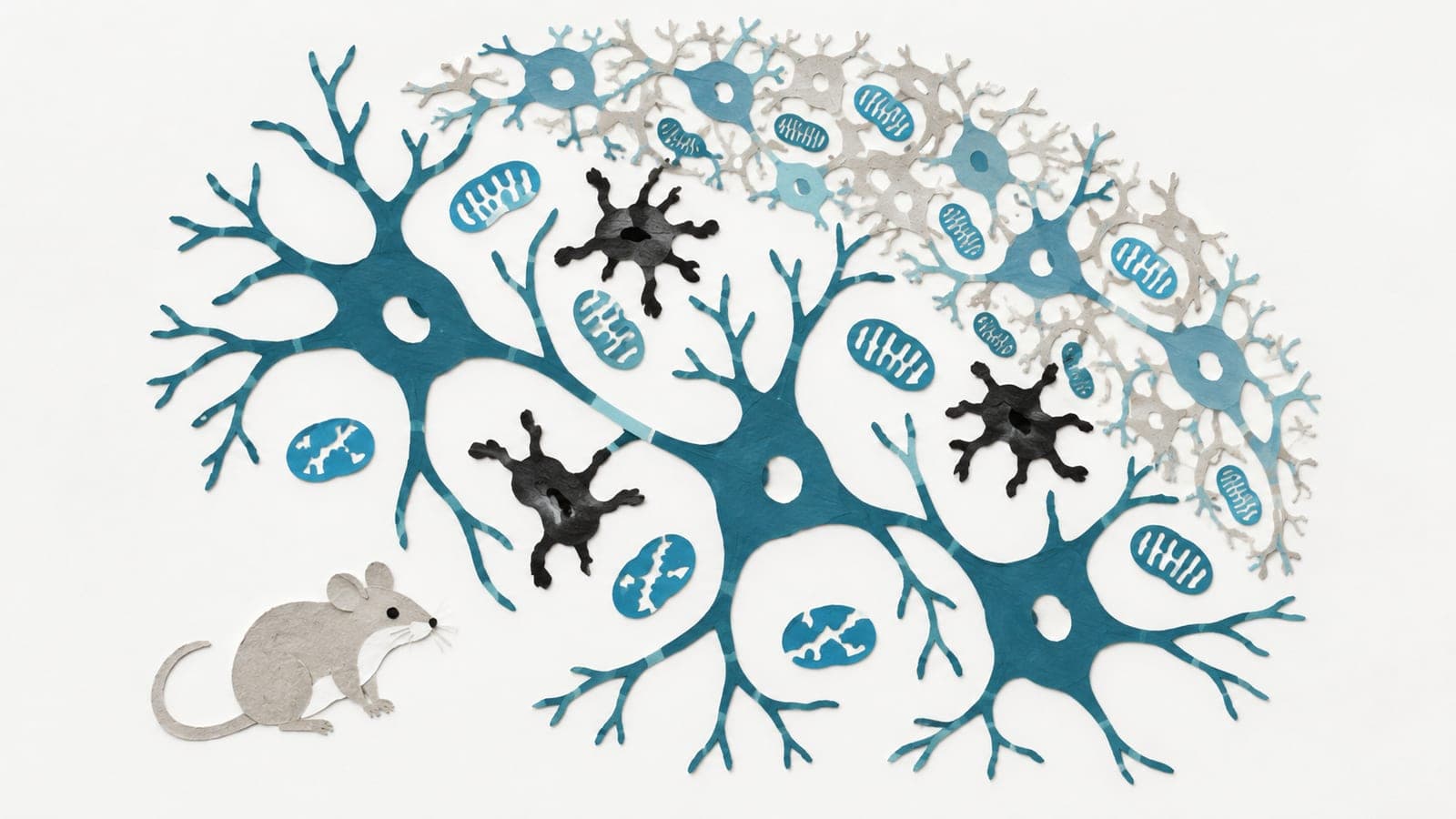
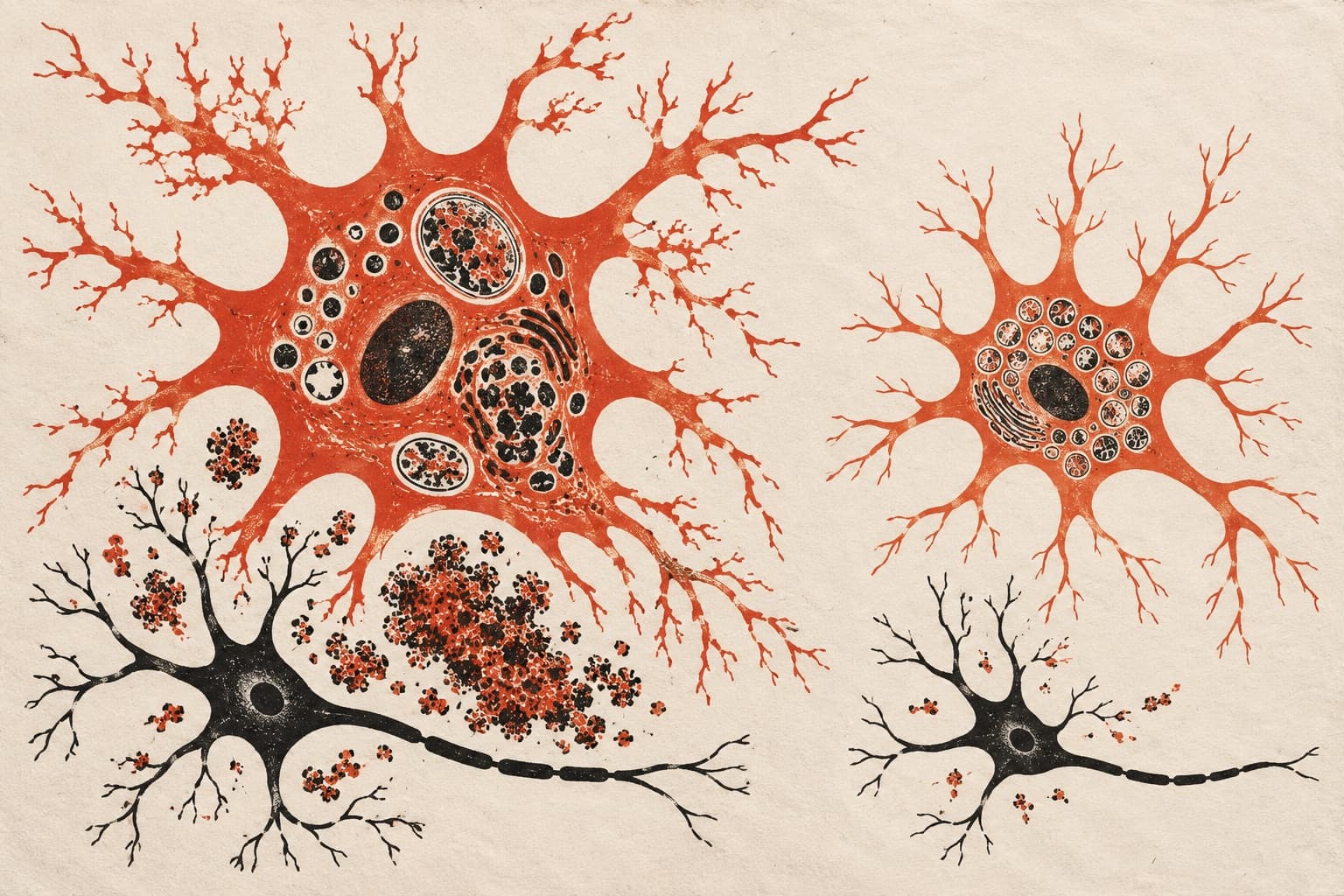
Lysosomes are responsible for clearing cellular waste and facilitating material recycling, thus playing a crucial role in maintaining cellular homeostasis and even in resisting the development of various diseases. Lysosomes are highly dynamic organelles. While typically exhibiting a vesicular morphology, lysosomes can remodel into tubular structures under specific conditions; this morphological plasticity underpins their functional complexity. Aging triggers significant lysosomal morphological remodeling and functional decline, contributing to the development of age-related diseases, notably neurodegenerative disorders. Although lysosomal function has been extensively studied in age-related diseases, the mechanisms driving aging-associated morphological alterations and their pathophysiological significance remain elusive. This review synthesizes current knowledge on the regulation of lysosomal morphology and its changes and functions during aging and in age-related diseases. We propose that altered lysosomal morphology represents not merely a hallmark of aging, but also a significant determinant of lysosomal and cellular functions during aging. Targeting lysosomal morphology holds promise as an emerging strategy for counteracting functional deterioration in aged lysosomes and mitigating associated disease pathogenesis.
The paper
Chongqing University
Ageing Research Reviews, 23 Jan 2026