Narrative review of mitochondrial dysfunction in aging-related salt-sensitive hypertension: outcomes, mechanisms, and therapeutic implications
Abstract
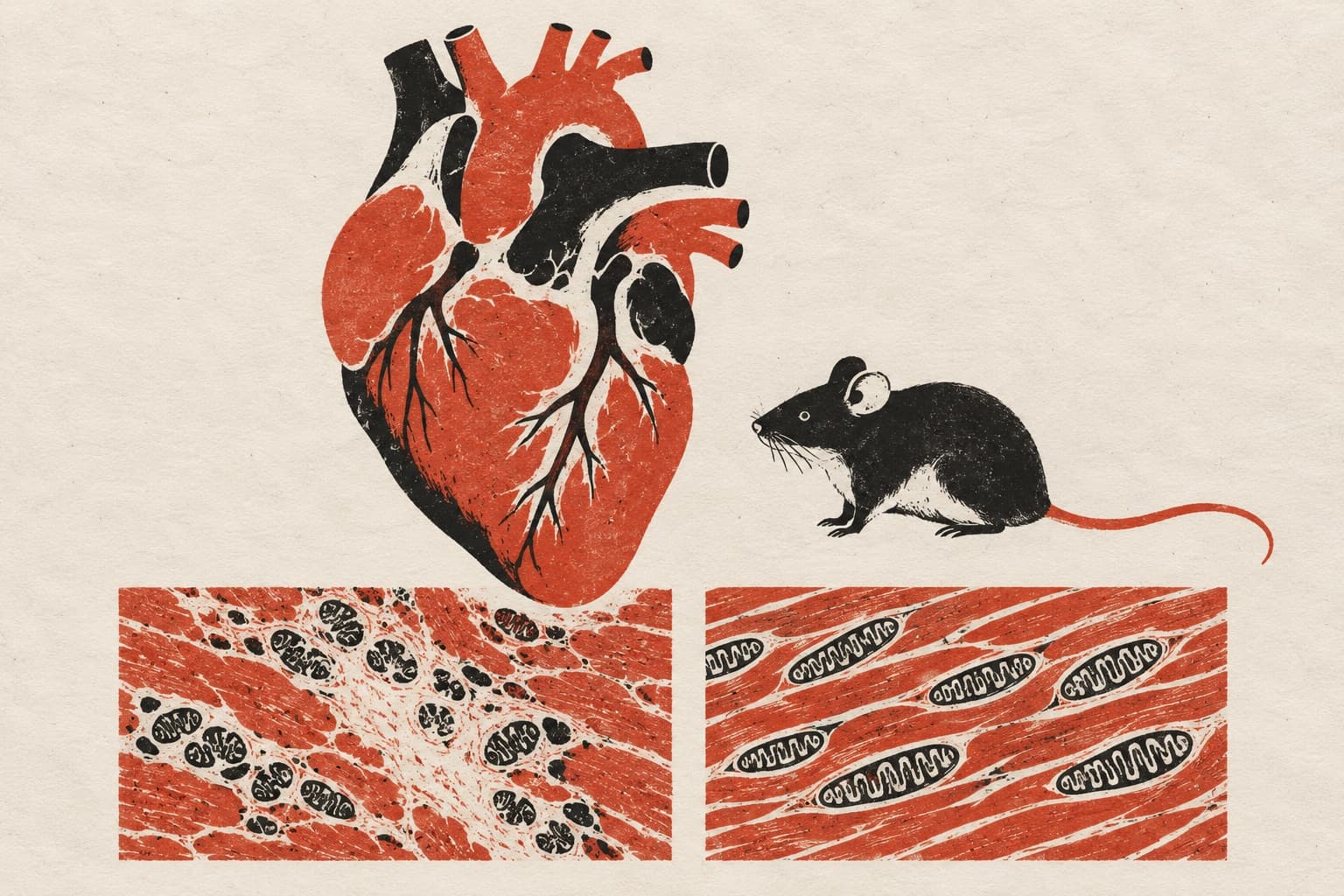
Salt sensitivity of blood pressure is prevalent in the aging population, characterized by an exaggerated hypertensive response to dietary sodium intake. Emerging evidence implicates mitochondrial dysfunction as a central contributor to salt sensitivity of blood pressure with mechanistic involvement of oxidative stress, endoplasmic reticulum stress, disrupted mitochondrial-endoplasmic reticulum contacts, and impaired autophagy. This review explores the interplay between aging, mitochondrial dysfunction, and salt sensitivity of blood pressure. Morphological mitochondrial changes including mitochondrial fragmentation due to fission-fusion imbalances, cristae remodeling leading to bioenergetic deficits, and mitochondrial-endoplasmic reticulum contact disruptions affecting calcium homeostasis across aging are contextualized in salt sensitivity of blood pressure. Alongside these changes, age-associated impairments in mitophagy result in the accumulation of defective mitochondria, exacerbating oxidative stress and inflammation. Understanding these pathways offers potential therapeutic avenues to attenuate salt sensitivity of blood pressure in older adults.
The paper
Vanderbilt University; Meharry Medical College
Aging Advances, 24 Nov 2025