New insights in the chronic kidney disease-associated osteoarthritis progression: Role of uremic toxin indoxyl sulfate-induced chondrocyte senescence and ferroptosis
Abstract
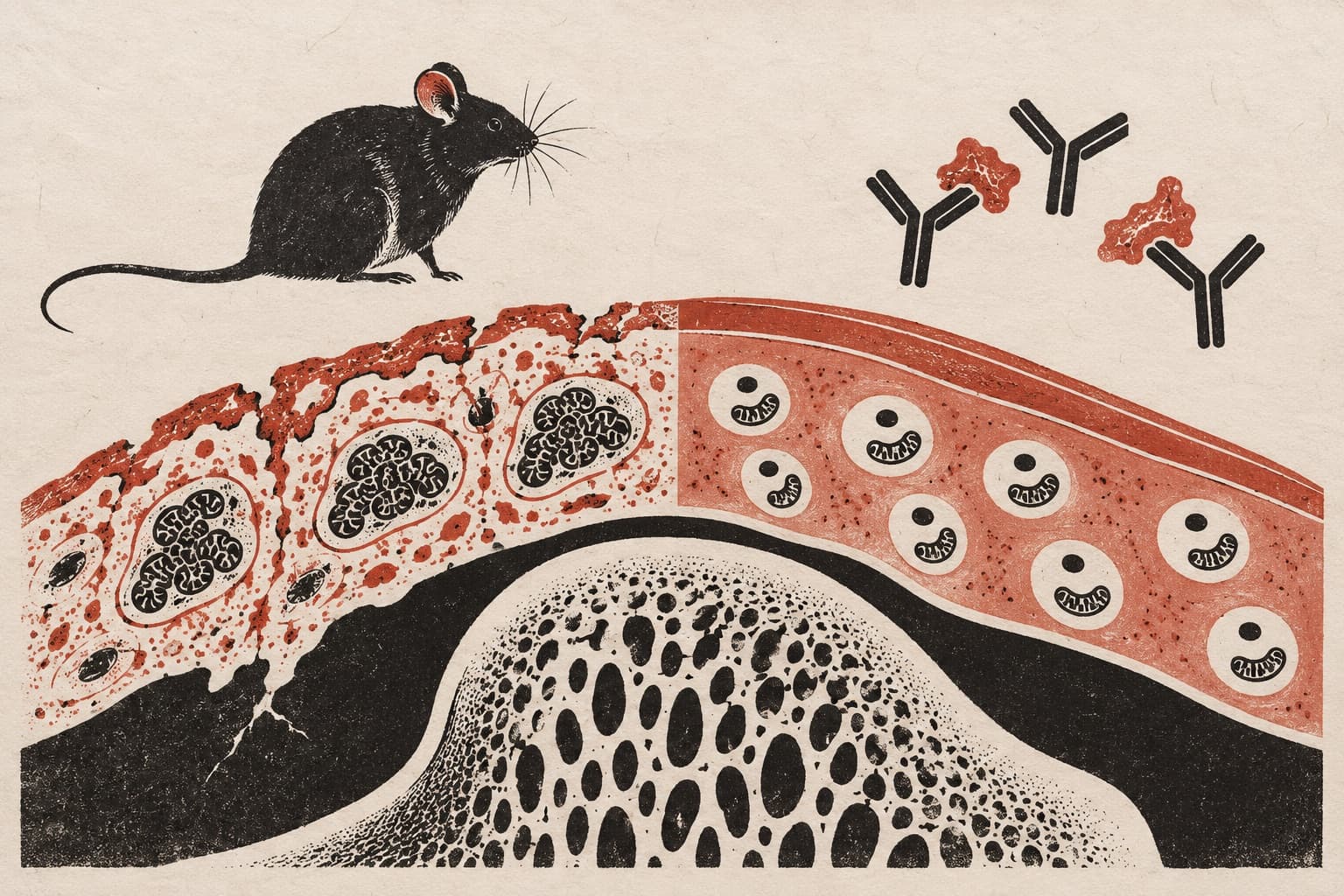
AIMS: Epidemiological data have shown a notably high co-occurrence of osteoarthritis (OA) and chronic kidney disease (CKD). The pathological mechanisms for CKD-associated OA still remain to be clarified. Uremic toxin Indoxyl Sulfate (IS), accumulated in CKD, may play a role in OA pathology. This study aimed to clarify the role of IS in CKD-associated OA and investigated the involvement of chondrocyte senescence and ferroptosis through the crosstalk between calcium and iron metabolism. MATERIALS AND METHODS: Human chondrocytes were treated with IS and co-treated with either calcium chelator BAPTA or iron chelator Deferoxamine (DFO). Cellular senescence and ferroptosis were assessed. An adenine-induced CKD mouse model was utilized to evaluate OA features and molecular mechanisms with or without oral adsorbent AST-120 (reducing IS levels) or DFO treatment. KEY FINDINGS: IS exposure elevated intracellular iron and calcium, triggering chondrocyte lipid peroxidation, senescence and ferroptosis via the calpain-1/interleukin-1α signaling axis, which could be reversed by both BAPTA and DFO treatment. IS-increased intracellular iron levels could be reversed by DFO, but not BAPTA. In vivo, reducing IS levels with AST-120 or iron chelation with DFO alleviated cartilage degradation and iron accumulation. Protein expression patterns in the joint tissues mirrored those observed in cell culture. SIGNIFICANCE: Our findings demonstrate for the first time that IS promotes both calcium influx and iron accumulation, leading to enhanced chondrocyte lipid peroxidation, senescence and ferroptosis. These effects may underlie the mechanistic link between CKD and OA comorbidity. IS may thus represent a critical bridge between kidney dysfunction and joint degeneration.
The paper
National Taiwan University
Life Sciences, 12 Jan 2026