Nanosized diesel exhaust particles induce mesenchymal stem cell senescence and alter small extracellular vesicle microRNA profiles: Implications for their functional properties
Abstract
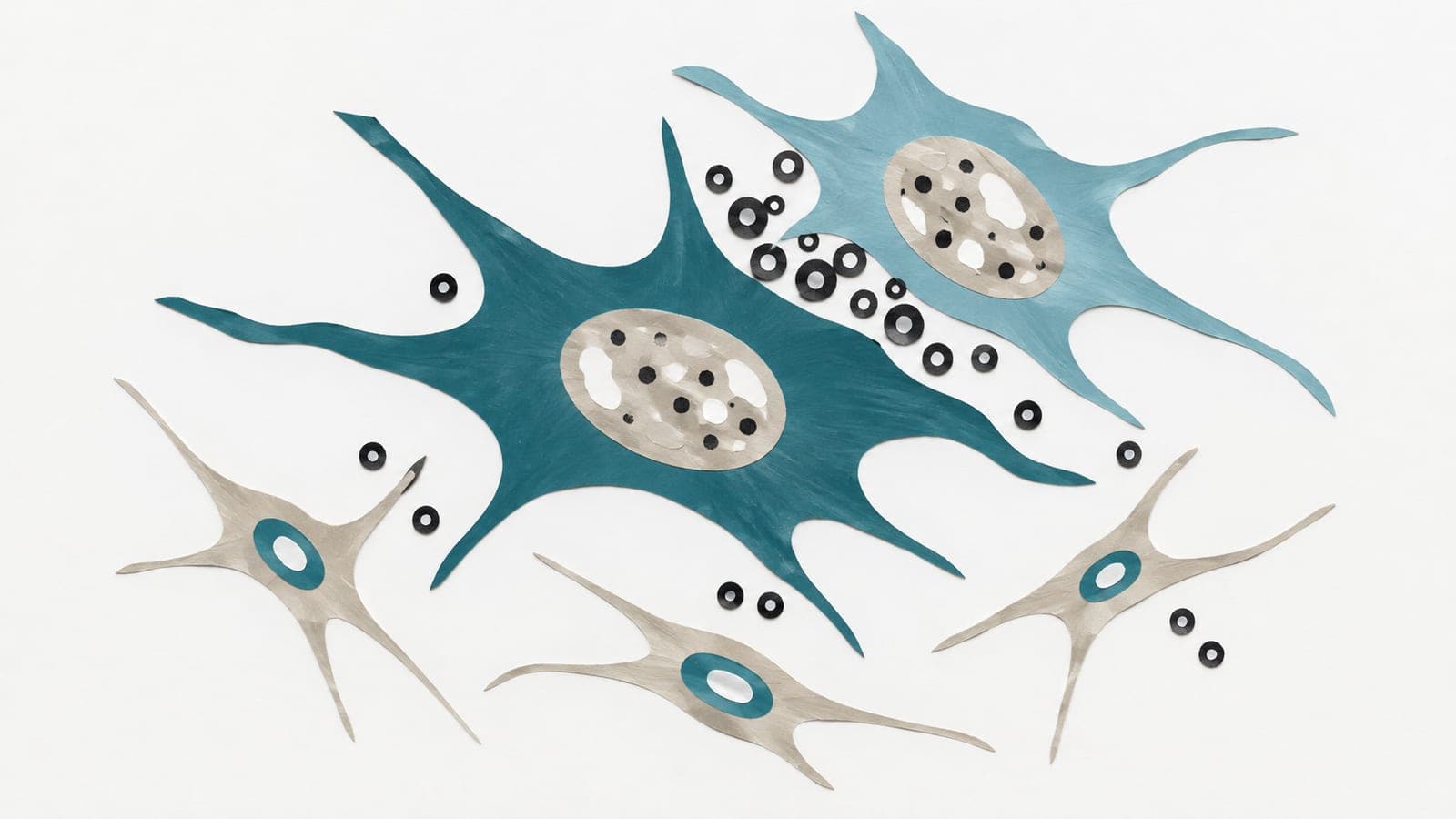
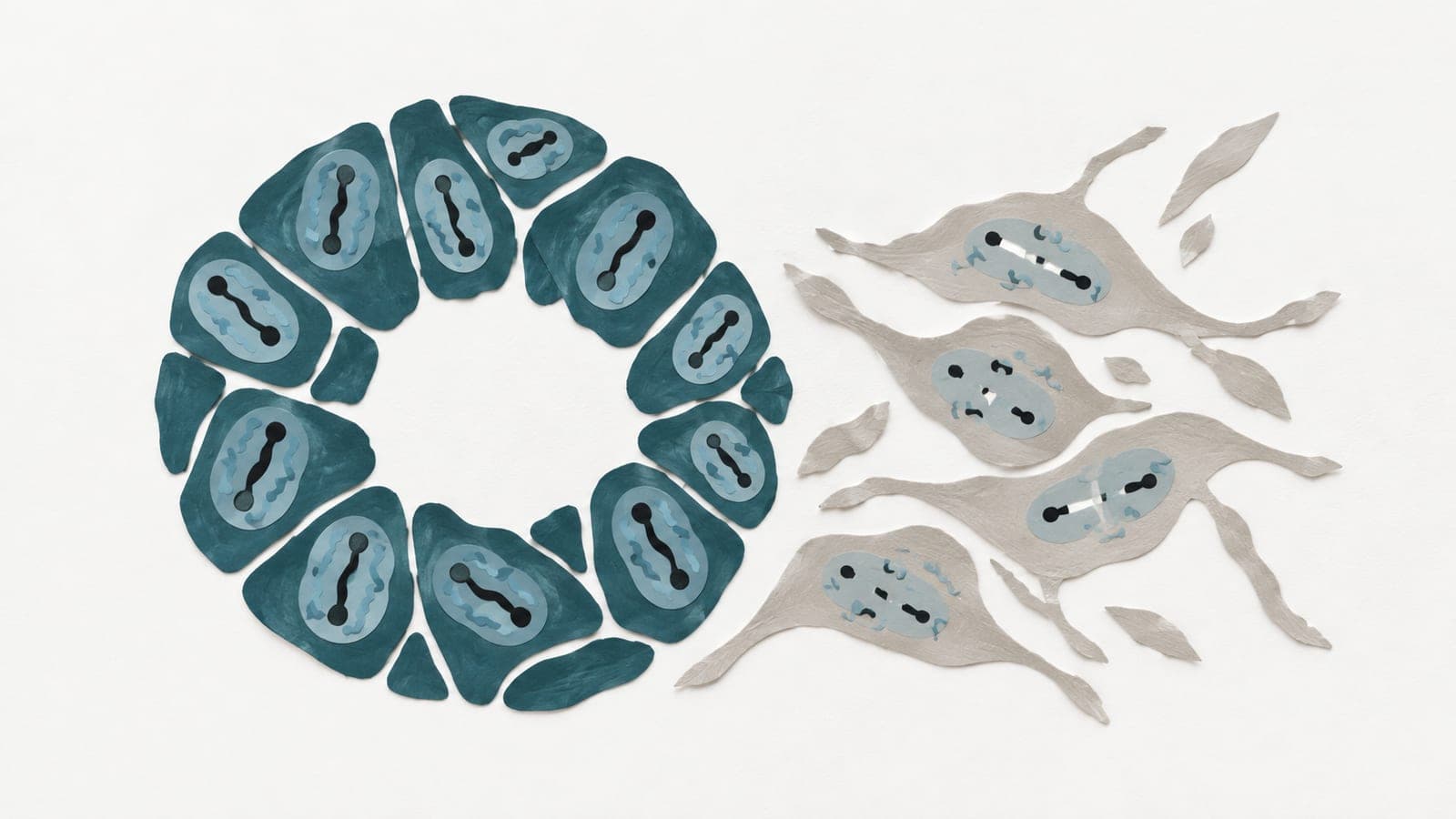
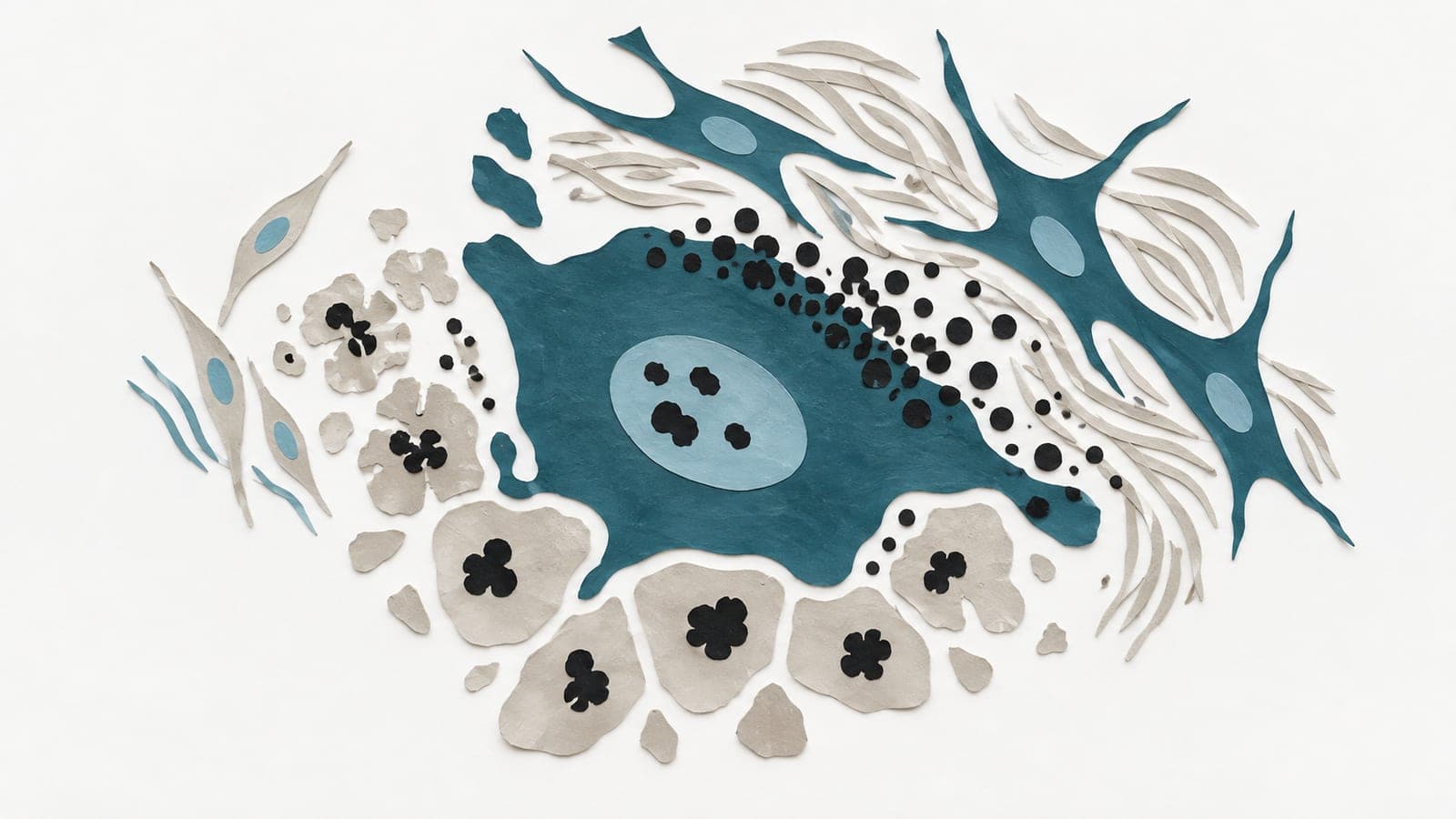
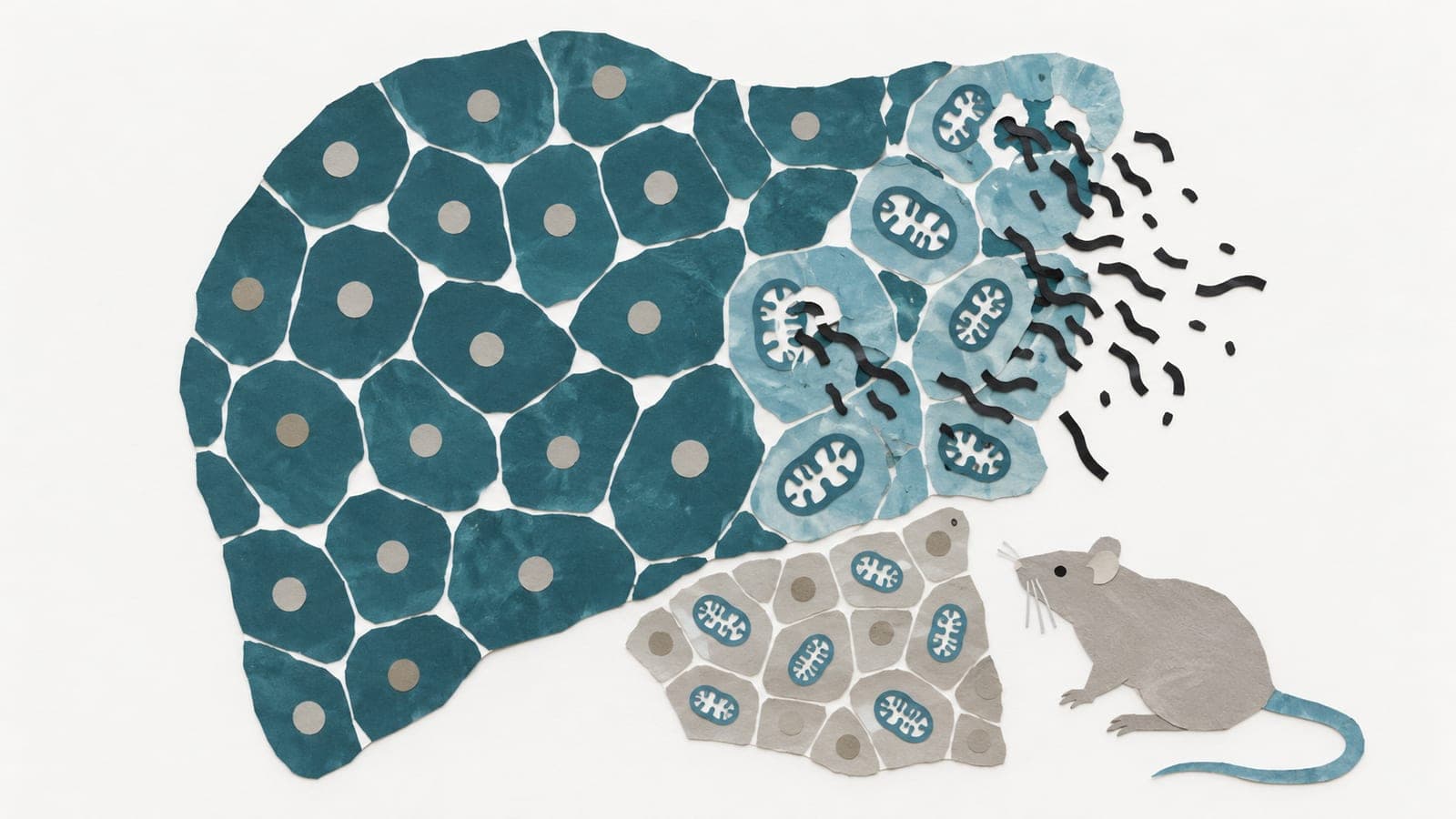
Traffic-related ultrafine particles (UFPs) have been detected in human perinatal tissues and fetal organs, yet their fetotoxic potential remains poorly understood. This study investigated the effects of nanosized diesel exhaust particles (nDEPs), the most abundant urban air UFPs, on umbilical cord-derived mesenchymal stem cells (UC-MSCs) as surrogates for prenatal stem cells. The direct effects of nDEPs on UC-MSCs and the indirect effects mediated by small extracellular vesicle (sEV)-associated regulatory mechanisms were evaluated. Short-term exposure to nDEPs induced cytotoxicity, apoptosis, necrosis, DNA adducts, DNA hypomethylation, and altered expression of genes involved in xenobiotic metabolism, antioxidant defense, DNA repair, and cell survival pathways. Prolonged exposure triggered oxidative DNA damage-induced senescence and a senescence-associated secretory phenotype characterized by enhanced secretion of pro-inflammatory cytokines and sEVs. Both short- and long-term exposures altered sEV miRNA profiles, including hsa-miR-6126, hsa-miR-1246, hsa-miR-1290, hsa-miR-424-5p, hsa-let-7i-5p, hsa-miR-21-5p, hsa-miR-92a-3p, hsa-miR-181a-5p, and hsa-miR-136-5p, which target genes related to DNA damage response, apoptosis, cell cycle control, histone deacetylation, and differentiation. Functional analyses comparing sEVs from non-senescent and nDEPs-induced senescent UC-MSCs revealed that senescent sEVs conferred a senescent-like phenotype on recipient cells, resulting in reduced proliferation and enhanced survival. Transient knockdown of MYC and SIRT1 which are targets of differentially expressed sEV miRNAs further demonstrated telomere shortening, implicating the MYC/SIRT1 signaling axis in genomic instability. Collectively, these findings provide mechanistic evidence that nDEPs can impair prenatal stem cell function through sEV-mediated signaling, potentially contributing to adverse pregnancy outcomes, altered fetal programming, and long-term health risks.
- Nanosized diesel exhaust particles
- Small extracellular vesicles
- Extracellular vesicle
- MYC
- DNA adducts
- Humans
The paper
Chulabhorn Graduate Institute; Chulabhorn Research Institute
Ecotoxicology and Environmental Safety, 5 Jan 2026