A lysosomal surveillance response promotes healthspan in C. elegans
Abstract
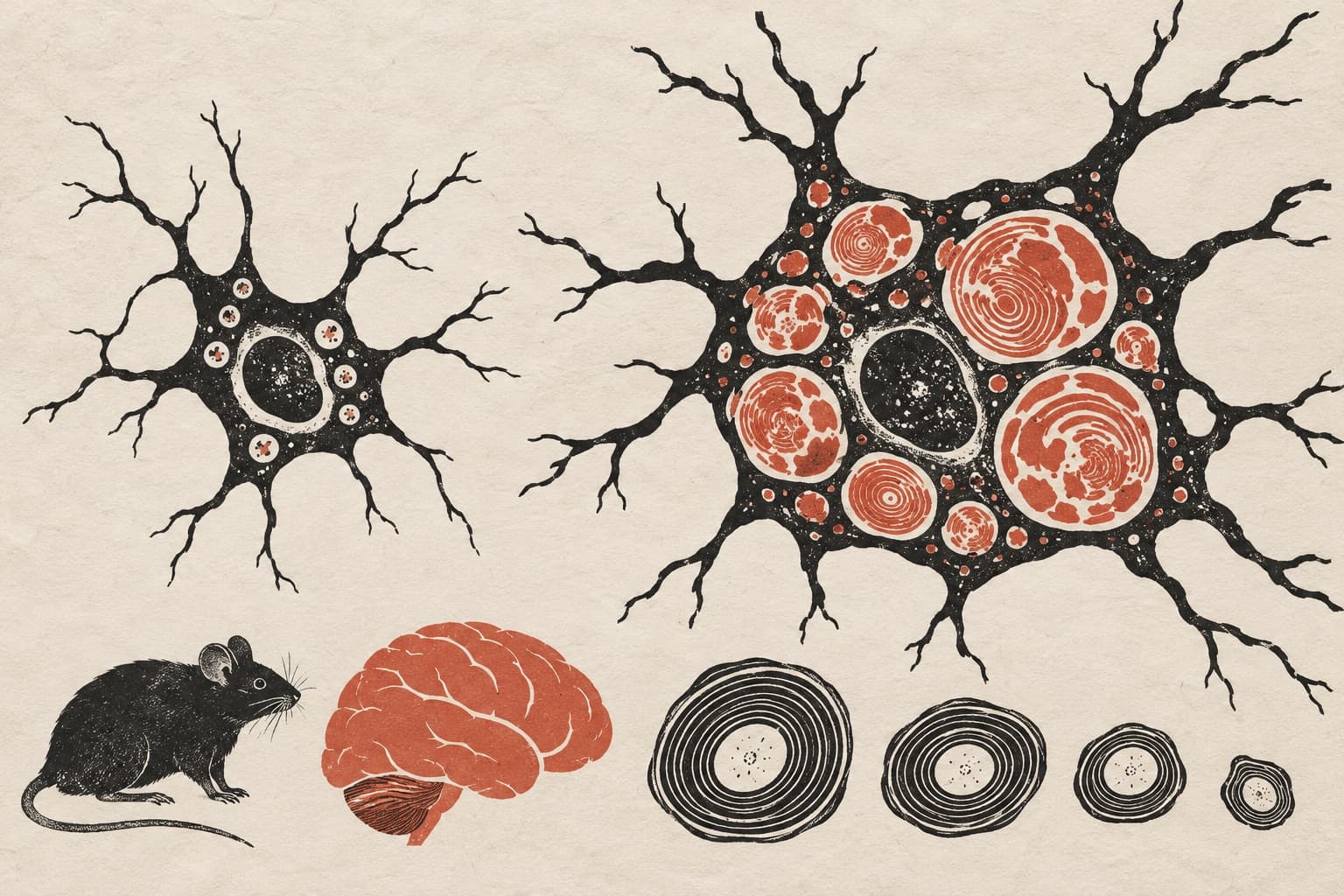
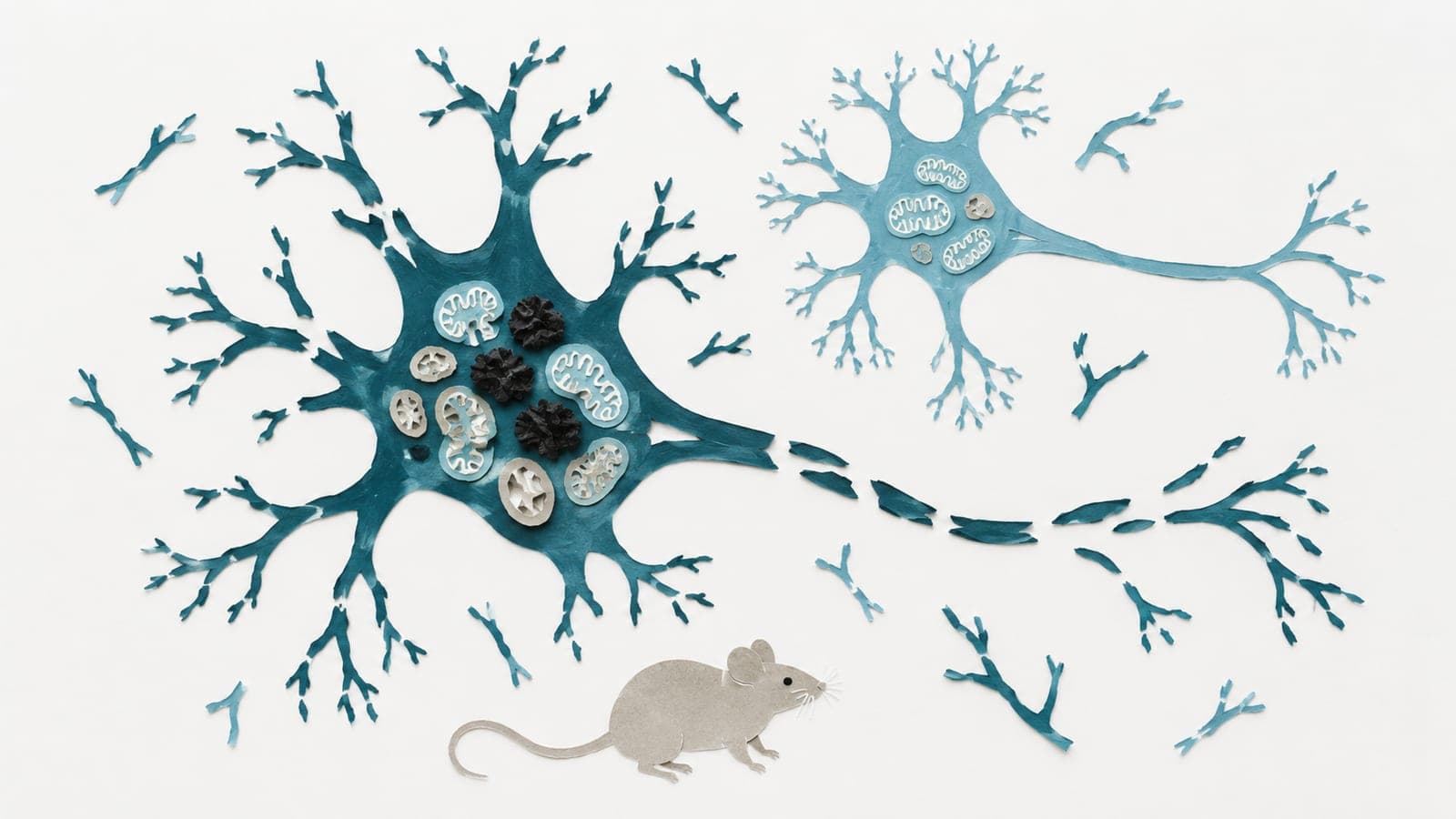
Lysosomes, the cellular recycling hubs, are indispensable for maintaining homeostasis by degrading misfolded proteins, damaged organelles, and foreign pathogens. Their dysfunction is a hallmark of aging and age-related neurodegenerative diseases, where impaired clearance of toxic protein aggregates drives pathogenesis. Nevertheless, the mechanisms by which lysosomal function can be enhanced to mitigate these detrimental processes remain inadequately understood. A recent study conducted by Li et al. describes a newly identified transcriptional program, the Lysosomal Surveillance Response (LySR), that, when activated, significantly extends healthspan and reduces proteotoxicity in C. elegans. This adaptive transcriptional program, governed by the GATA transcription factor, ELT-2, and modulated by the acetyltransferase CBP-1, operates independently of canonical longevity pathways such as the DAF-2 insulin-like signaling. This work not only unveils a previously unrecognized longevity pathway but also charts a new course for developing therapies targeting aging and neurodegeneration.
The paper
Shanghai Jiao Tong University; Fudan University
Metabolism Open, 16 Sep 2025, Open access