Integrating Senescence and Oxidative Stress in Cardiac Disease
Abstract
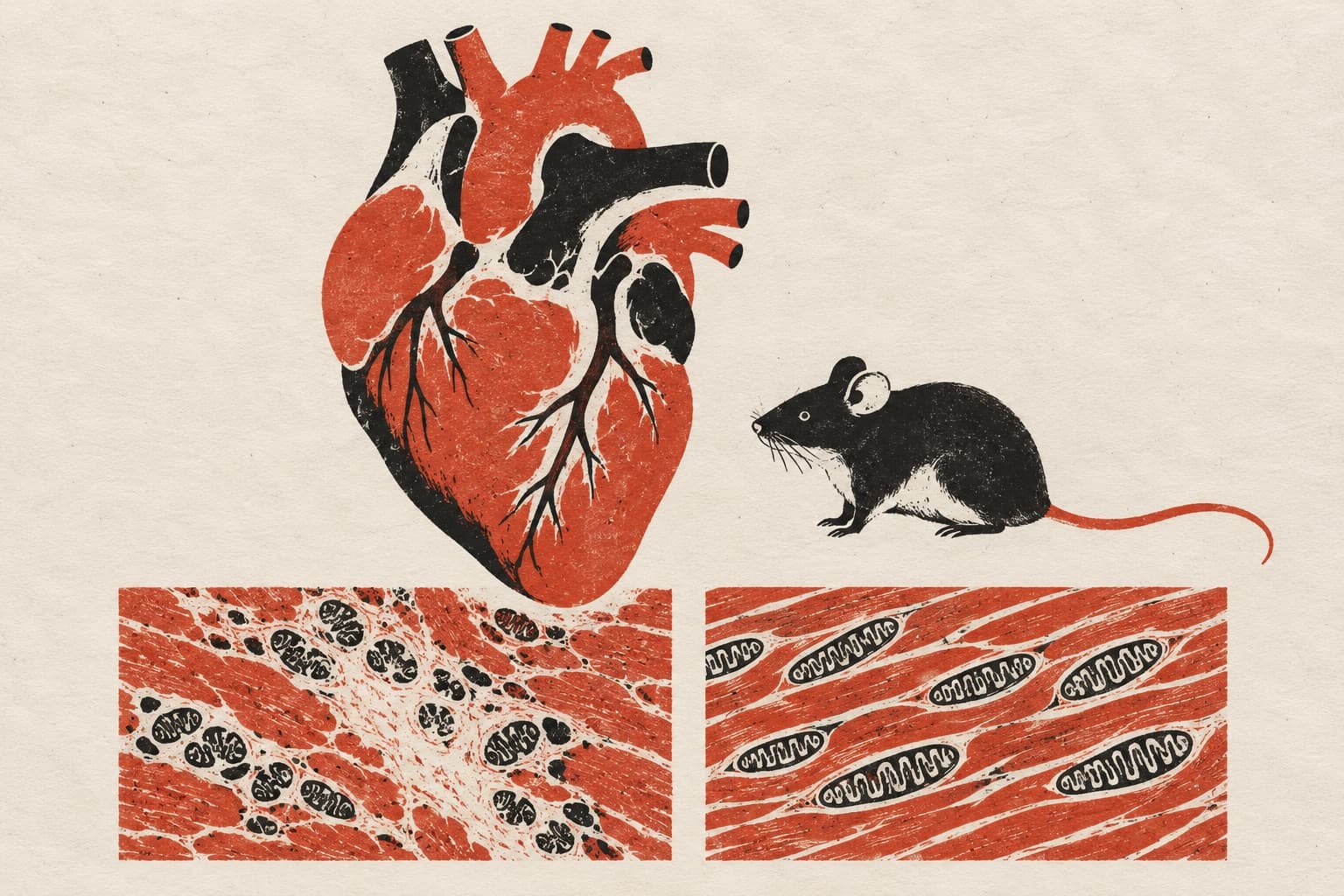
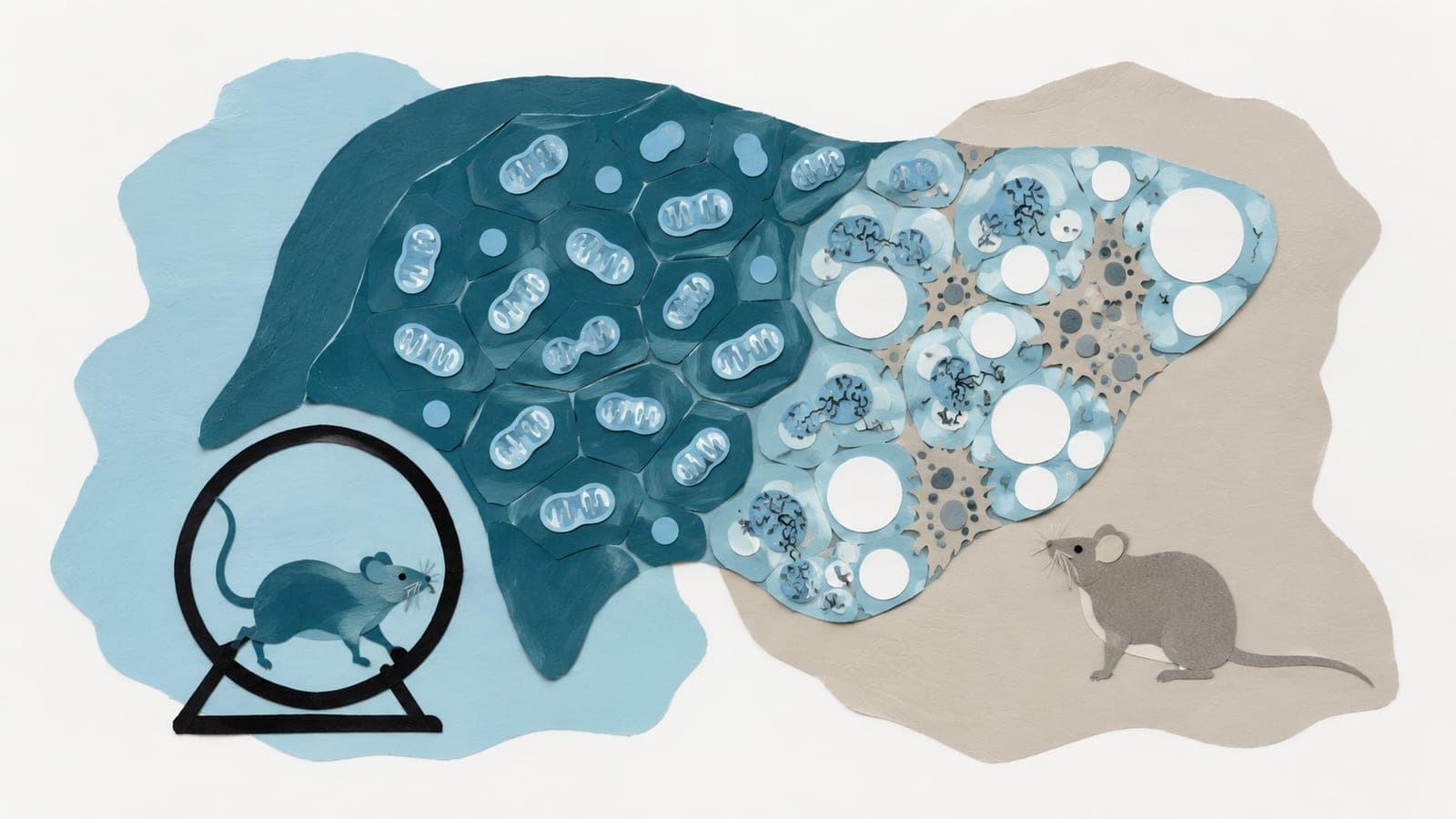
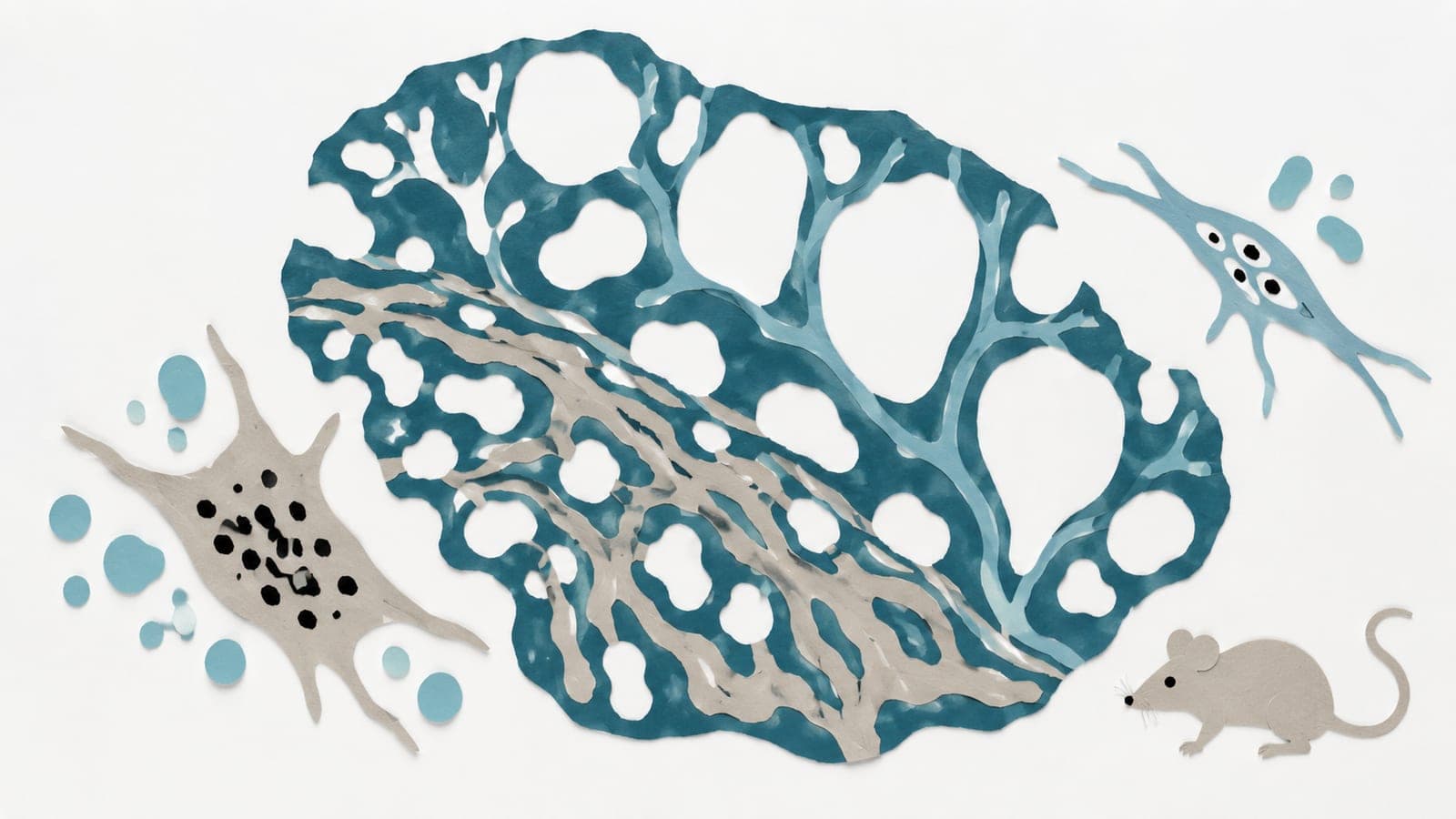
Cellular senescence and oxidative stress constitute an interdependent axis that underlies cardiac pathophysiology. Cellular senescence, defined as durable proliferative arrest, is initiated and sustained by redox imbalance, whereas mitochondrial reactive oxygen species function as signaling molecules or mediators of injury. In the heart, cellular senescence and oxidative stress influence remodeling and dysfunction across diseases, including ischemia-reperfusion injury, heart failure with preserved ejection fraction, dilated cardiomyopathy, and cardiac hypertrophy. Accordingly, delineating stress adaptation in cellular senescence is essential for elucidating oxidative stress-related pathogenesis. In this review, we attempt to provide an overview of the fundamental mechanisms and functions of cellular senescence in response to oxidative stress and redox signaling in disease. In addition, we integrate experimental and clinical evidence and delineate implications for mechanism-informed prevention and therapy.
The paper
Kyung Hee University
International Journal of Molecular Sciences, 10 Dec 2025, Open access