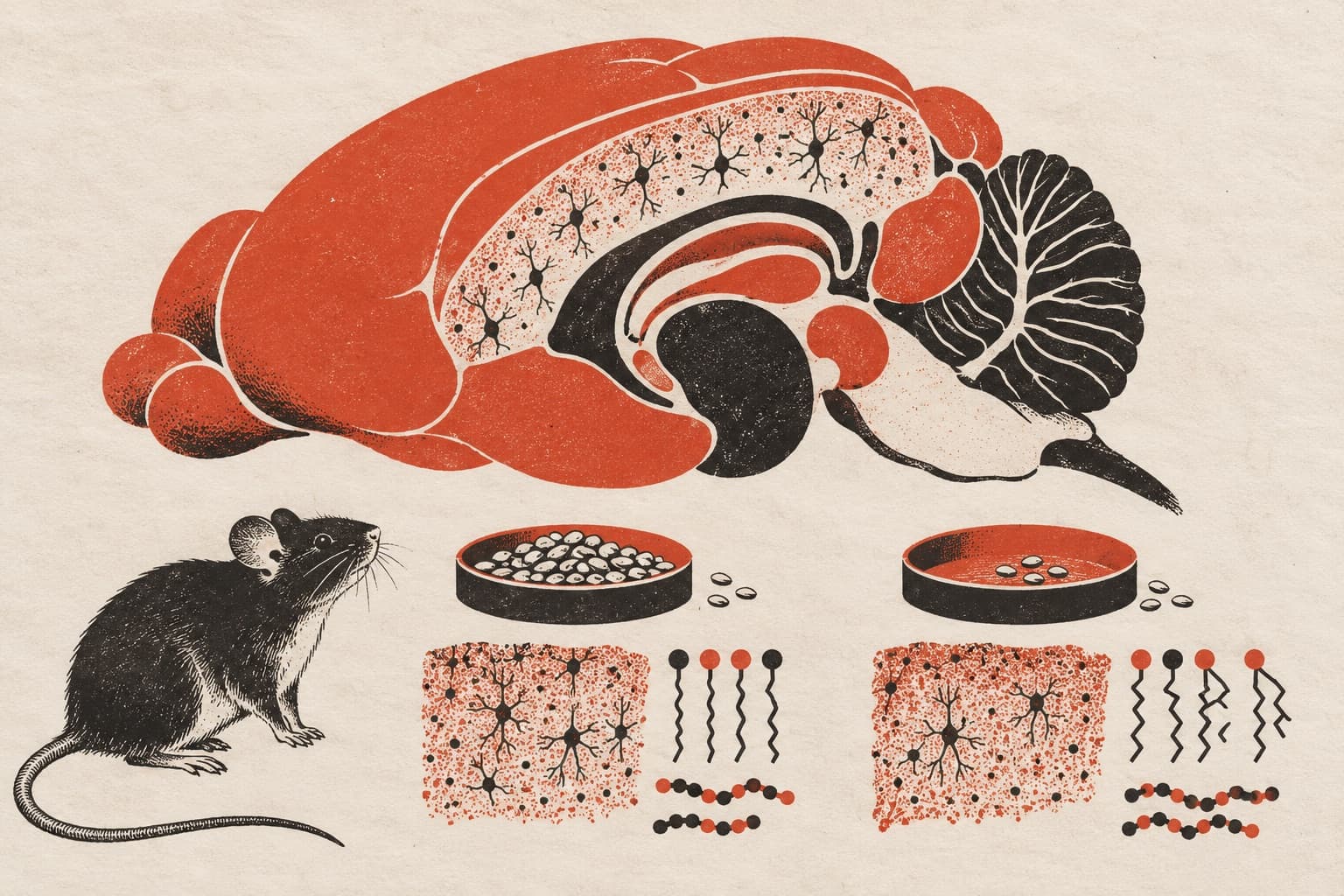
β-Sitosterol extends lifespan and healthspan in Caenorhabditis elegans via multi-omics analysis of longevity, neuronal, and immune pathways
Abstract
β-Sitosterol, a naturally occurring plant sterol, has attracted significant interest due to its potential health benefits. This study investigates the molecular mechanisms through which β-sitosterol influences lifespan and healthspan in C. elegans. LC-MS analysis revealed that wide range of protein targets associated with longevity, neuronal regulation, and innate immunity pathways. In vivo experimental validation demonstrated that β-sitosterol significantly extended the lifespan of C. elegans by downregulating critical aging-related genes such as acn-1 and daf-2 while simultaneously upregulating the longevity-promoting gene daf-16. Additionally, β-sitosterol induced notable metabolic changes, including elevated levels of oleic acid, and influenced developmental processes by modulating the mir-61-5p/col-19 signalling axis. The compound also affected locomotory behaviour by engaging the serotonin signalling pathway through genes such as tph-1, kpc-1, and rho-1. Furthermore, β-sitosterol enhanced innate immunity by increasing the expression of antimicrobial peptide genes. Computational analyses suggested that β-sitosterol possesses favorable drug-like properties, reinforcing its potential as a therapeutic agent. Our findings highlight the beneficial effects of β-sitosterol, and its promise as a natural compound for promoting both longevity and healthspan in model organisms through proteomics and metabolomics approaches.
The paper
Alagappa University
Biochimica et Biophysica Acta General Subjects, 17 Dec 2025