Senescent CD4⁺ T Cells Drive Diabetic Periodontitis via JAK-STAT-ROS-p38 MAPK
By Zhang M, Meng L, Li X et al.
Abstract
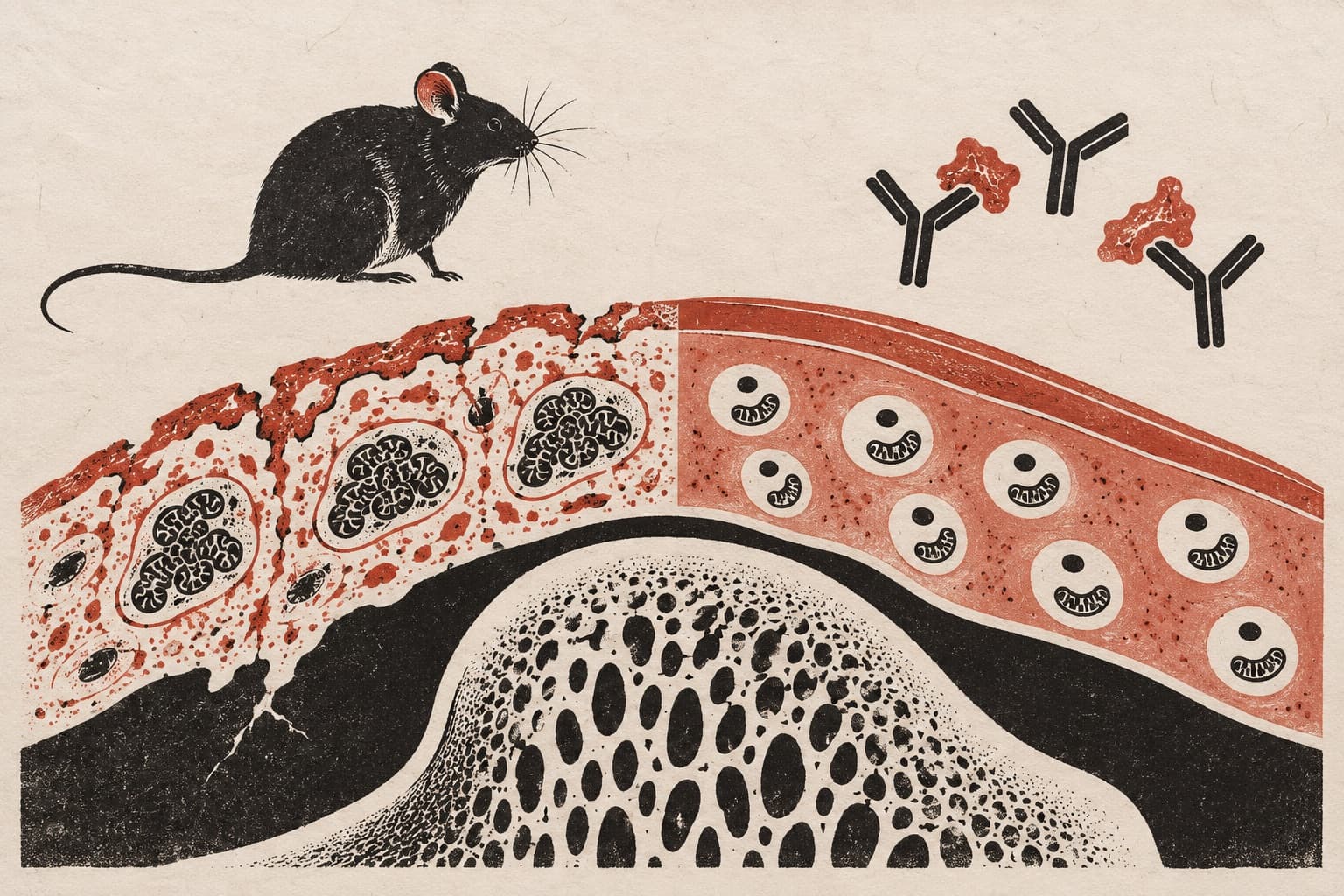
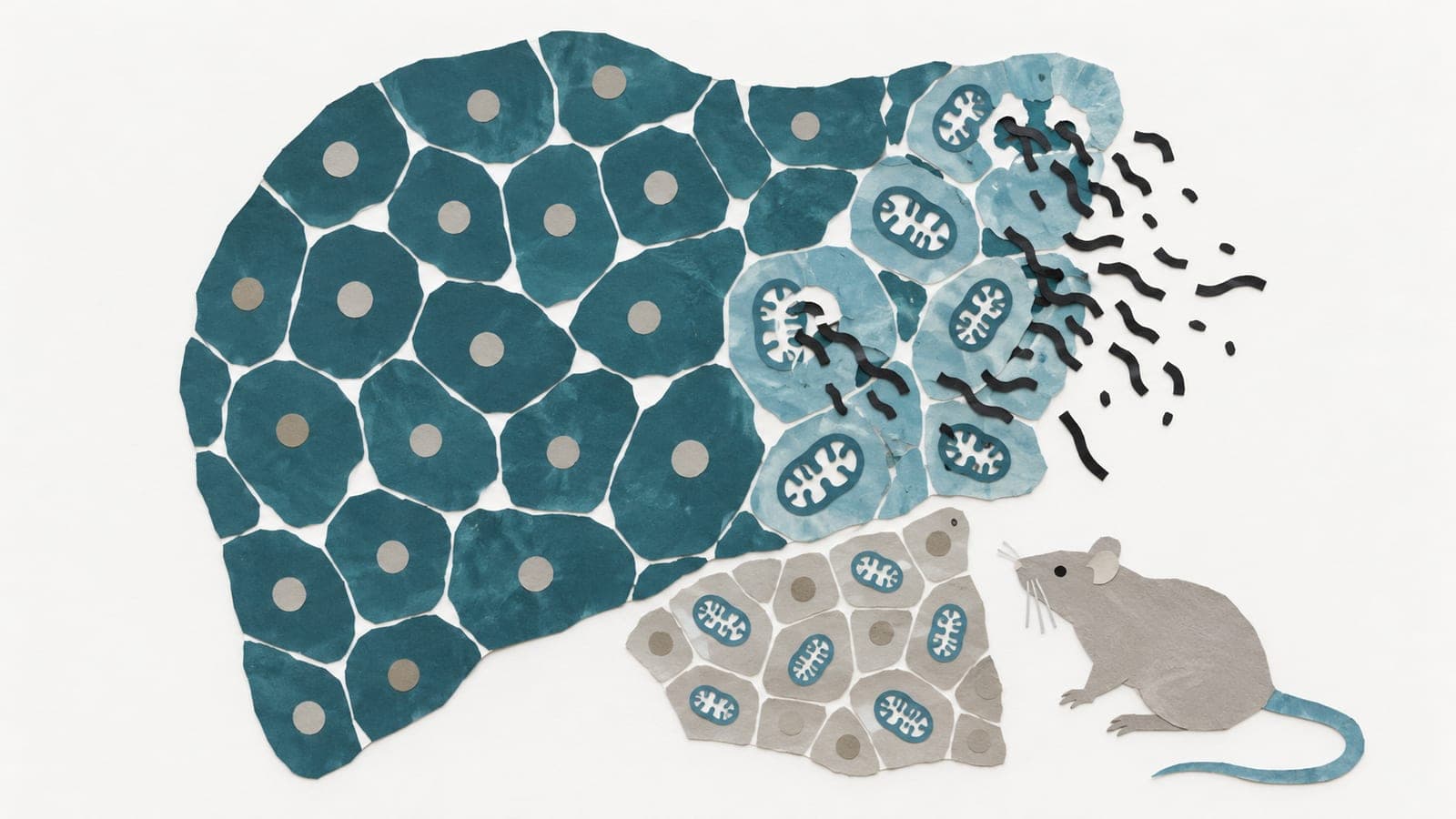
Diabetic periodontitis (DPD) is recognized as a common complication of diabetes mellitus. It progresses rapidly and causes severe destruction of periodontal tissues. The condition often leads to a poor prognosis for affected patients. CD4⁺ T lymphocytes-pivotal effector cells in adaptive immunity-play a central role in driving DPD pathogenesis through immunometabolic dysregulation. The functional dynamics and contributions of CD4⁺ T cells to DPD pathogenesis remain insufficiently investigated. To investigate this, single-cell RNA sequencing data from the gingival tissues of DPD mice in the Gene Expression Omnibus database were analyzed, identifying significant CD4⁺ T cell senescence in DPD. This finding was experimentally confirmed using a DPD mouse model. Furthermore, through adoptive transfer experiments, we demonstrated that in DPD, senescent CD4⁺ T cells exacerbate the release of senescence-associated secretory phenotype (SASP). SASP chemokines recruit immune cells, which in turn release additional inflammatory factors, creating a self-amplifying cycle that disrupts the Th17/Treg balance and worsens bone loss. This reveals the pathogenic role of senescent CD4⁺ T cells, whereas adoptive transfer of normal CD4⁺ T cells rescues this pathological process. Bioinformatics analysis linked CD4⁺ T cell senescence to the JAK-STAT and p38 MAPK signaling pathways. Subsequent experimental validation detected upregulated JAK-STAT and p38 MAPK activity in DPD gingival tissues. Pharmacological inhibition of these pathways in vitro markedly reduced CD4⁺ T cell senescence. Mechanistically, JAK-STAT activation elevated mitochondrial reactive oxygen species (mtROS), subsequently triggering the tumor necrosis factor α (TNF-α)-p38 MAPK axis. This cascade led to p53 upregulation and enhanced cellular senescence. This study clarifies the immunopathological mechanisms underlying CD4⁺ T cell senescence in DPD, emphasizing the crosstalk between metabolic dysregulation via JAK-STAT-mtROS and inflammatory signaling through TNF-α-p38 MAPK (proinflammatory signaling cascade). These findings provide novel perspectives for developing therapeutic strategies targeting CD4⁺ T cell senescence in DPD, thereby mitigating inflammatory factor release and inhibiting alveolar bone resorption.
- Adoptive transfer of normal cd4+ t cells
- Cellular senescence
- Immune response
- Senescent CD4+ T cells
- CD4
- Mice
The paper
Zhang M, Meng L, Li X et al.
Journal of Dental Research, 17 Dec 2025