Pharmacological Activation of Mitophagy Confers Neuroprotective Benefits for Amyotrophic Lateral Sclerosis
Abstract
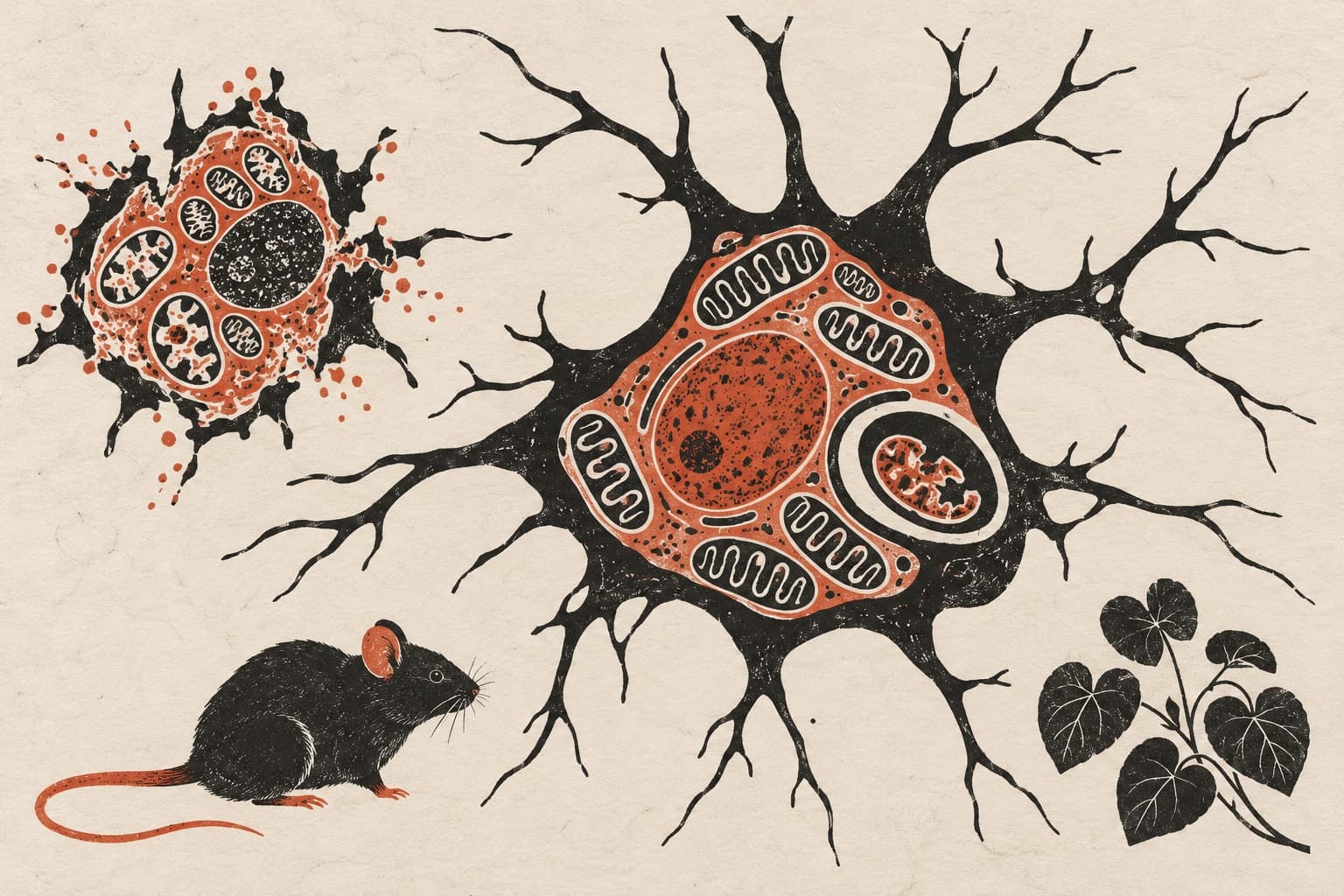
Amyotrophic lateral sclerosis (ALS) is a rare and devastating neurodegenerative disease characterized by the progressive degeneration of motor neurons in the brain and spinal cord, for which no cure currently exists. Previous studies have shown that abnormal mitochondrial homeostasis and defective mitophagy occur in neurodegenerative diseases, including ALS. Here, we provide evidence that PINK1-Parkin-dependent mitophagy is impaired in multiple ALS mouse models, including the SOD1G93A, TDP43A315T, and rNLS8 strains, leading to the accumulation of damaged mitochondria in affected motor neurons. These findings suggest that mitophagy may be a druggable target for ALS treatment. A classical mitophagy agonist, urolithin A (UA) was used in this study. UA-induced mitophagy antagonizes ALS pathologies in the ALS SOD1G93A transgenic C. elegans model in a pink-1 (PTEN-induced kinase 1)- and pdr-1 (Parkinson's disease-related 1)-dependent manner. Furthermore, pharmacological activation of mitophagy by UA improves locomotor behavior, delays motor neuron degeneration and reduces neuroinflammation in ALS SOD1G93A transgenic mice. In conclusion, our results establish impaired mitophagy as a hallmark of ALS motor neuron degeneration and demonstrate that its pharmacological activation offers a neuroprotective strategy with therapeutic potential.
The paper
Sun Yat-sen University
Aging and Disease, 14 Dec 2025, Open access