Long-term high-protein diet intake accelerates adipocyte senescence through macrophage CD38-mediated NAD⁺ depletion
By Yang X, Hua L, Gao D et al.
Abstract
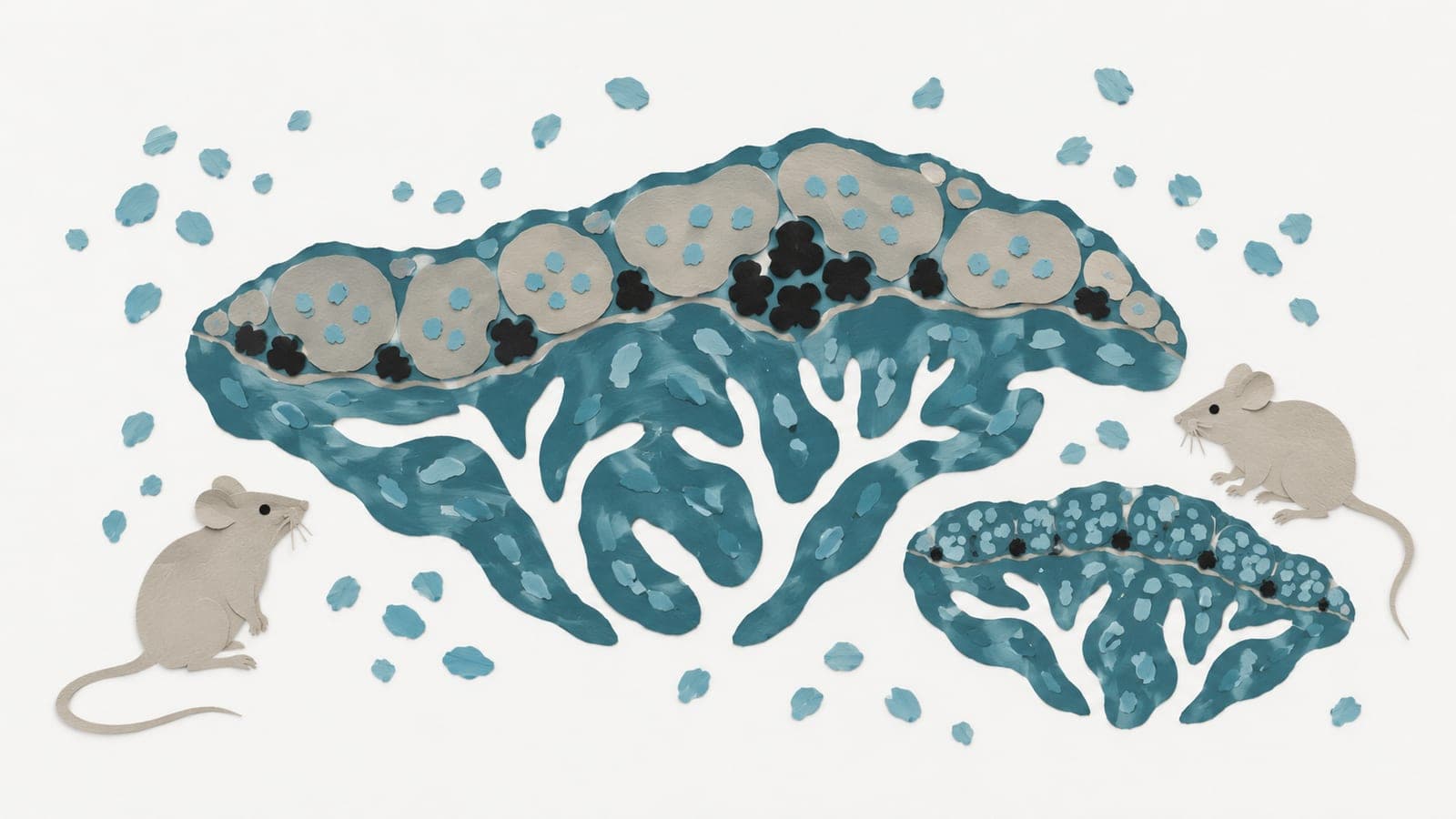
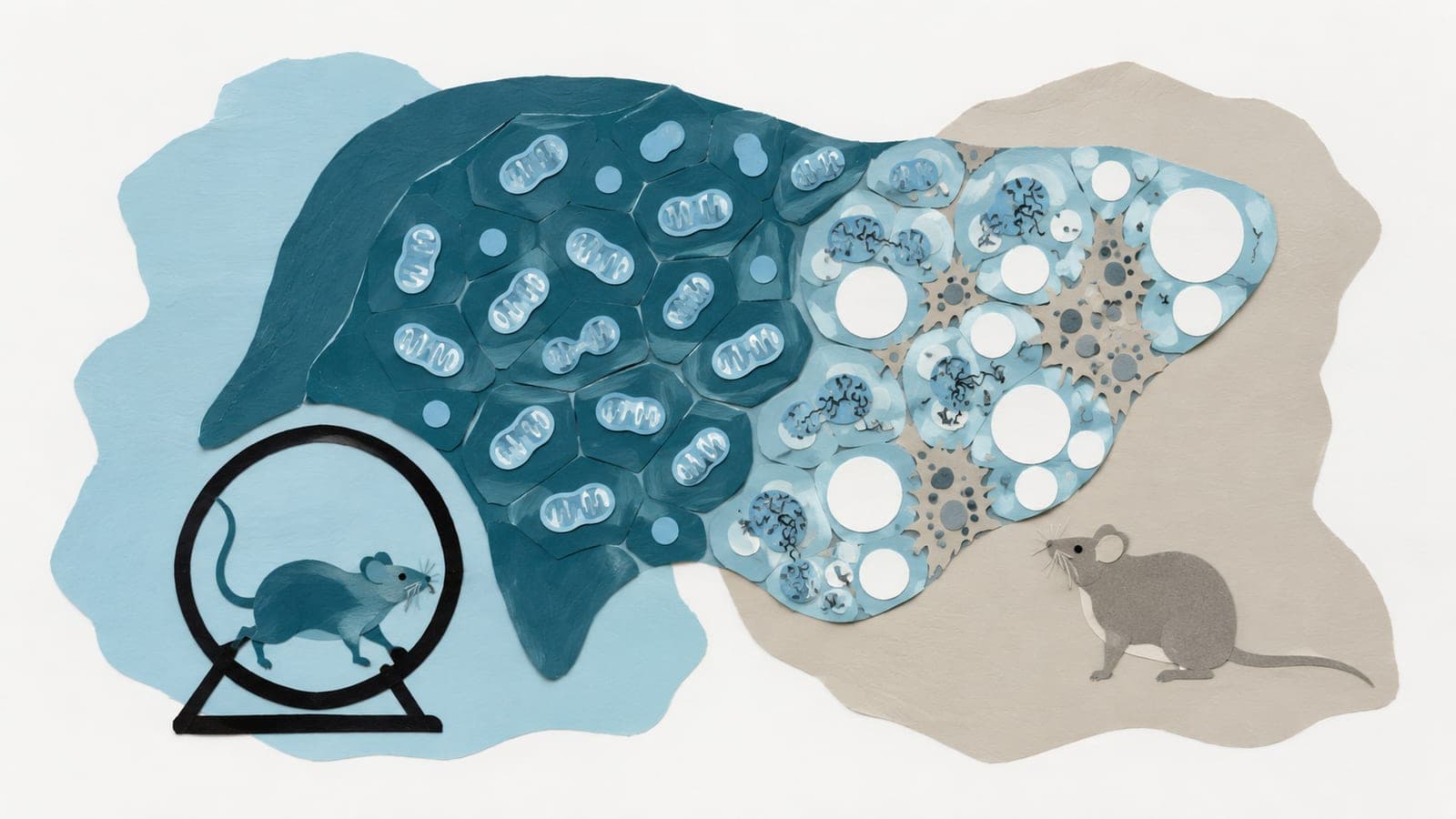
High-protein (HP) diets are widely adopted in Western societies for body-weight management; yet, they exacerbate senescence-associated metabolic deterioration, posing an unresolved pathophysiological conundrum. Here, we demonstrate that long-term HP intake mediates adipocyte-specific NAD⁺ depletion and mitochondrial dysfunction in white adipose tissue (WAT). Single-nucleus transcriptomic analyses revealed adipocyte-restricted senescence signatures in HP-fed mice. Mechanistically, HP intake triggers macrophage-specific upregulation of CD38 (a key NAD⁺ hydrolase), which depletes adipocyte NAD⁺ pools and thereby accelerates cellular senescence. Restoration of NAD⁺ levels, either via supplementation with NAD⁺ precursor or pharmacological inhibition of CD38 activity, alleviated the senescence-associated metabolic sequelae induced by HP diets. Our findings establish macrophage-adipocyte NAD⁺ crosstalk as a central axis linking dietary protein excess to WAT aging, providing actionable targets for the prevention and treatment of age-related metabolic disorders.
The paper
Yang X, Hua L, Gao D et al.
Molecular Metabolism, 13 Dec 2025