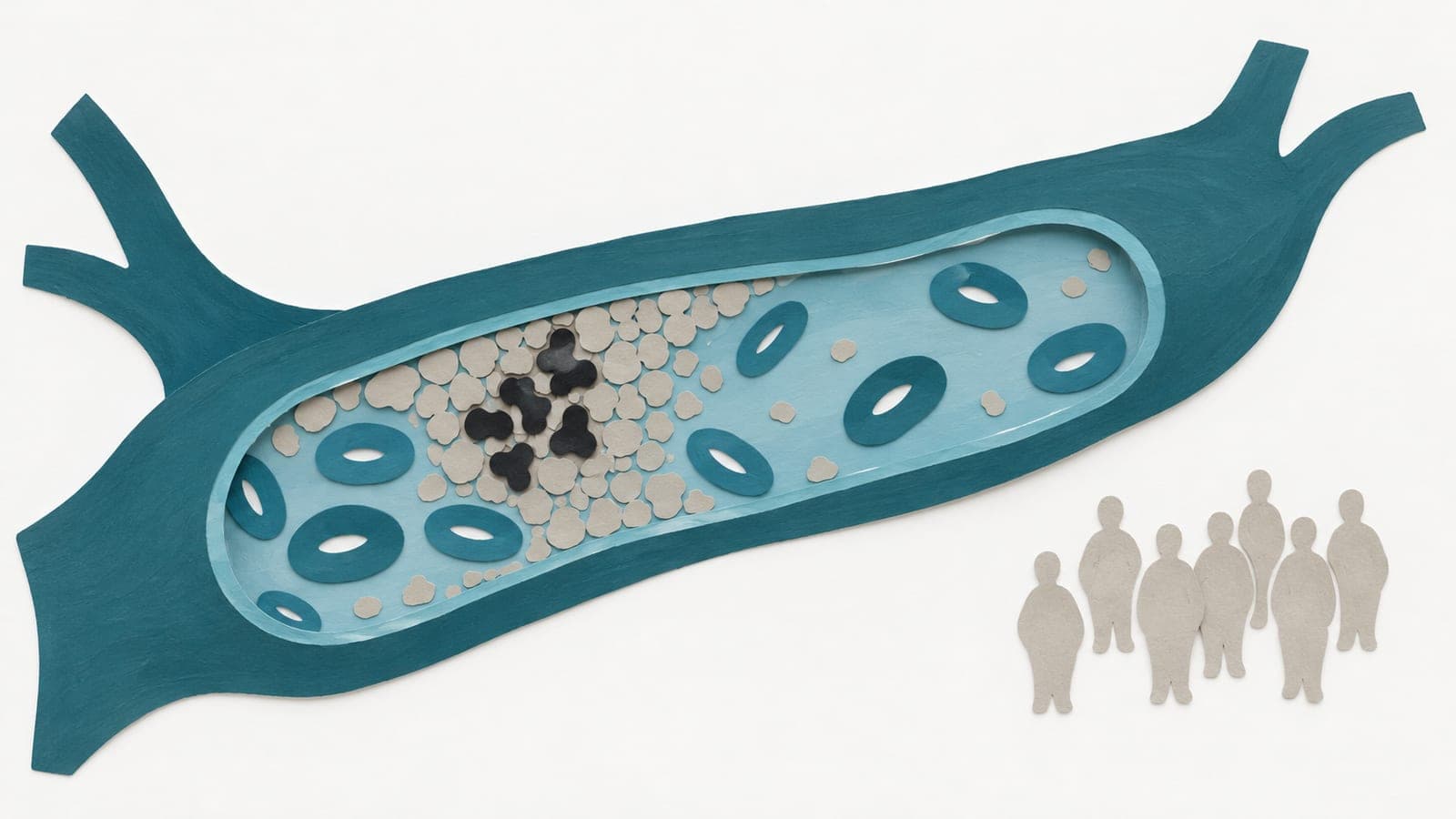
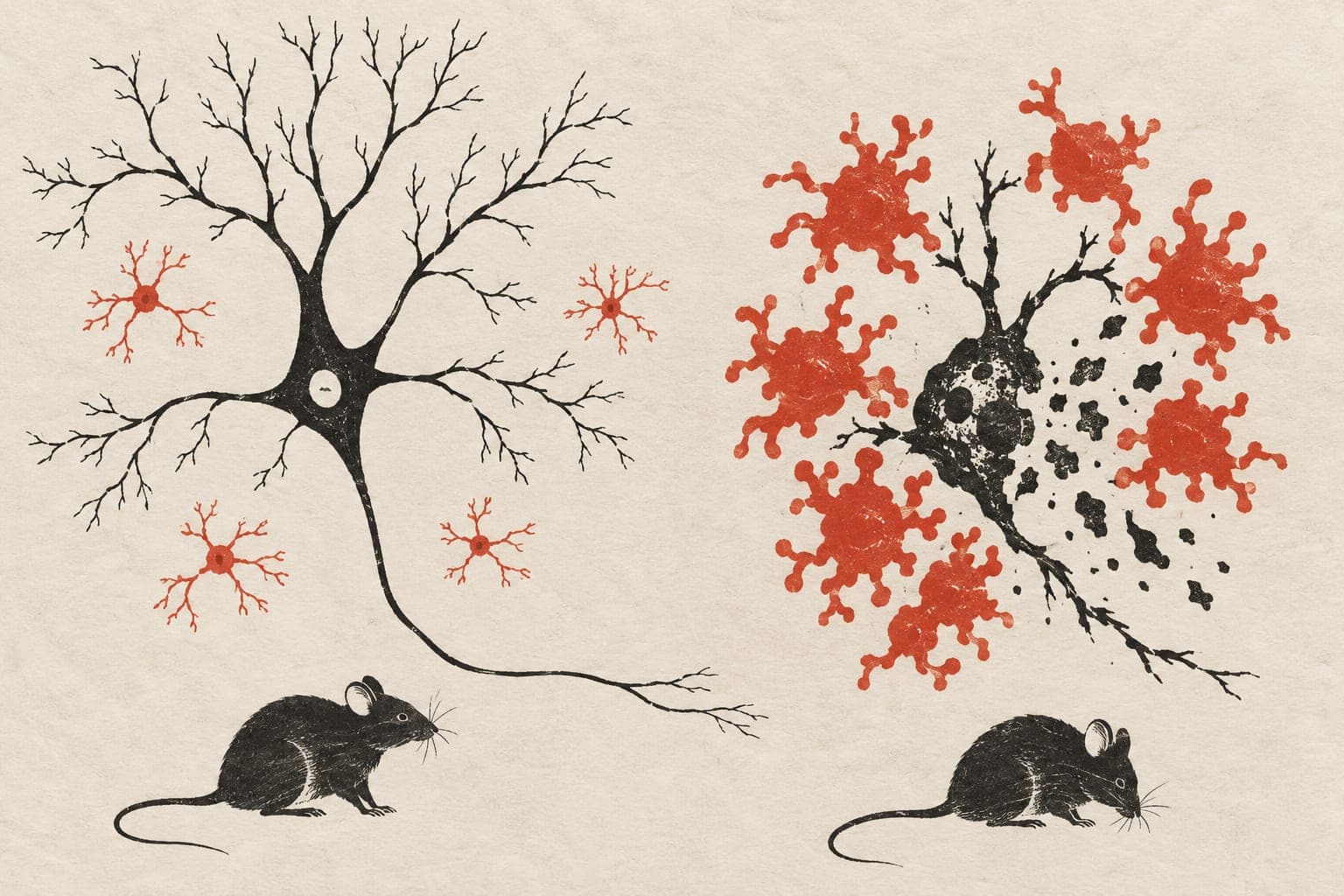
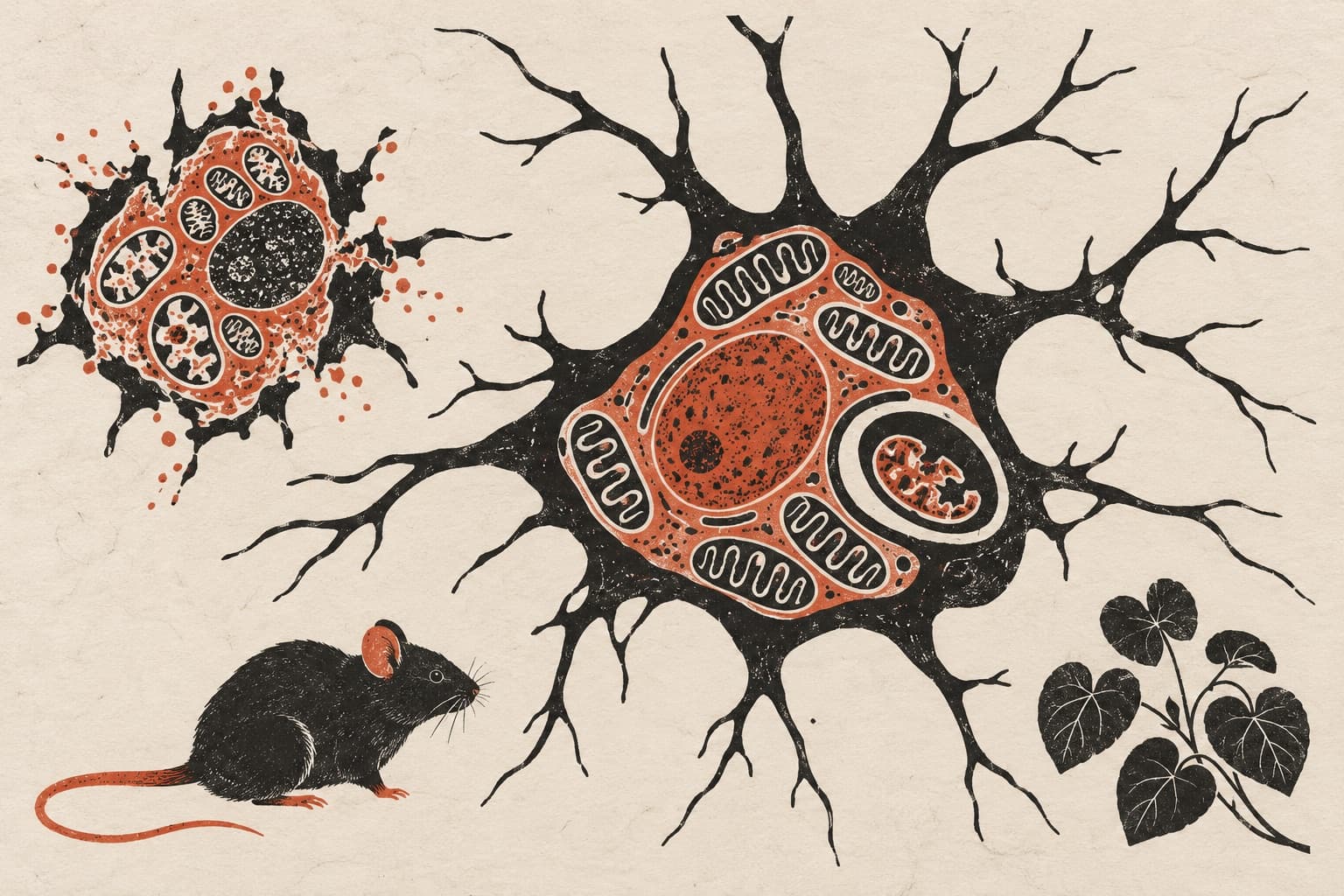
Ectopic fat deposition in intestinal wall caused the increase of L cell pyroptosis mainly through local hypoxia
6 weeks
Abstract
PURPOSE: L-cell dysfunction occurs in people with obesity, characterized by alterations in glucagon-like peptide-1 (GLP-1) secretion.The mechanism of L-cell dysfunction in obesity is not clear. This study was to reveal the mechanisms of GLP-1 secretion change of intestinal L cells in an obesity state. METHODS: The metabolic variables such as the body weight, fasting blood glucose, and blood lipids, GLP-1 secretion, local fat infiltration, hypoxia of the ileum in male mice fed with a high-fat diet (HFD, 60 % kcal from fat) and caloric-restriction diet (CRD, calories were 50 % of HFD group) were investigated. On this basis, intestinal L-cell line GLUTag cells were incubated in vitro under the environment of hypoxia or inflammation to investigate their function changes. RESULTS: The body weight, fasting blood glucose, blood lipids and pro-inffammatories levels of the HFD mice were increased after 2 weeks of feeding. At 6 weeks, the existence of local hypoxia was detected. It appeared simultaneously with the decrease of GLP-1 secretion and L-cell number in ileum. In GLUTag cells cultured under hypoxia conditions, expressions of pyrogenic products gasdermin D and IL-18 were increased, cell proliferation activity was inhibited, the overall number was decreased. CONCLUSION: Ectopic fat deposition of the intestinal wall caused by obesity mainly leads to an exacerbatiion of L cell pyroptosis through local hypoxia.
The paper
Shanghai Medical College of Fudan University
Obesity Research & Clinical Practice, 8 Dec 2025