Glucocorticoid impairs angiogenesis-dependent osteogenesis by downregulating EphB4 in endothelial cells
Abstract
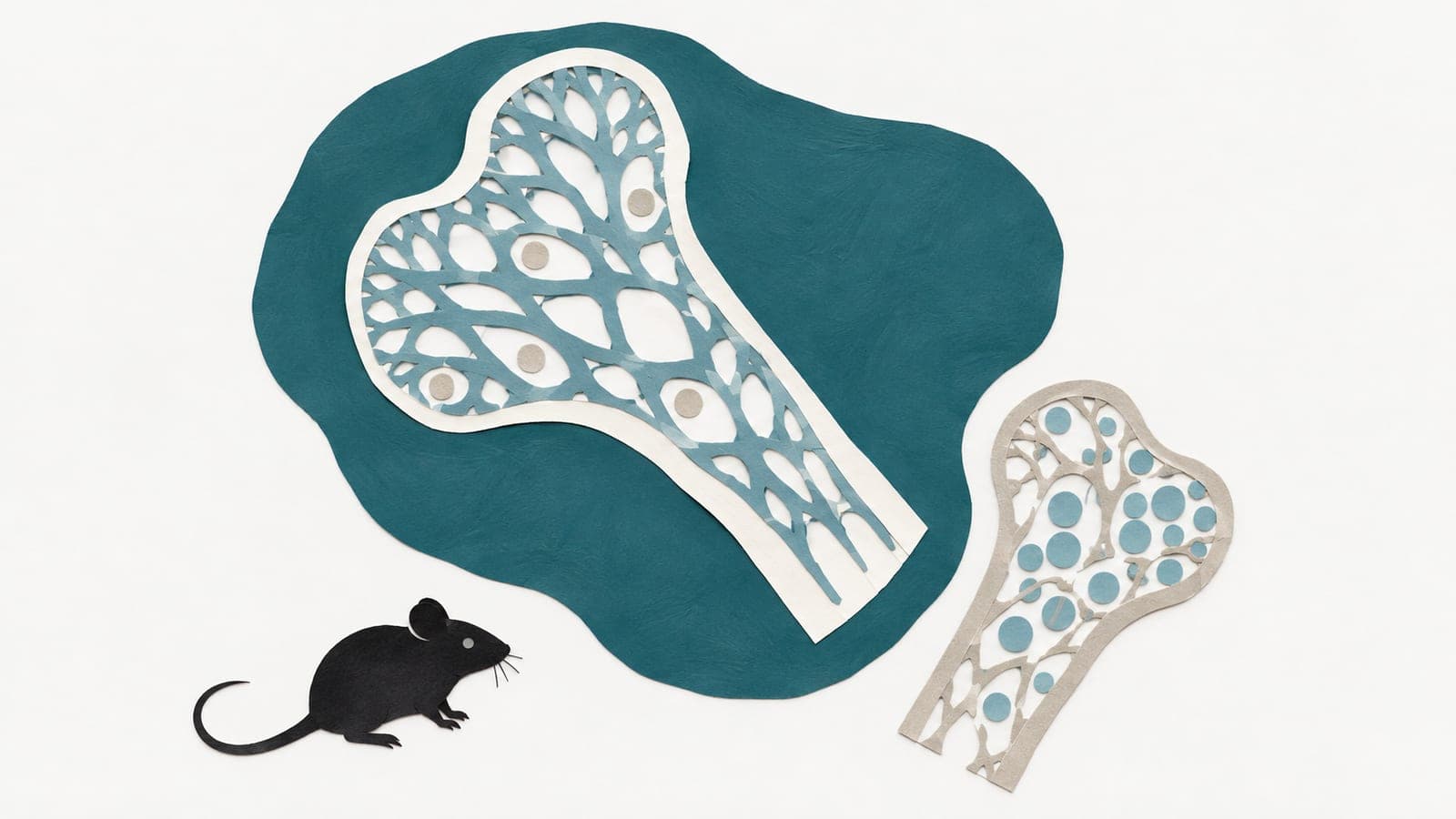
Long-term or high-dose glucocorticoids (GCs) exposure leads to rapid bone loss and microarchitectural deterioration, ultimately resulting in glucocorticoid-induced osteoporosis (GIOP). Although the progression of GIOP is closely associated with impaired type H blood vessel function, the underlying mechanisms remain insufficiently defined. Using a dexamethasone (DEX)-induced GIOP mouse model, we observed a simultaneous reduction in type H blood vessels and Ephrin type-B receptor 4 (EphB4) expression. Co-culture of bone marrow mesenchymal stem cells (BMSCs) with endothelial cells (ECs) overexpressing EphB4 confirmed that endothelial EphB4 is a critical regulator of angiogenesis-dependent osteogenesis, a process disrupted by DEX-mediated EphB4 downregulation. Specifically, DEX-induced EphB4 downregulation induced cellular senescence in ECs, and the resulting senescence-associated secretory phenotype (SASP) may further impair BMSC osteogenic differentiation. We additionally observed that diminished EphB4-EphrinB2 crosstalk between ECs and BMSCs may further exacerbate osteogenesis. The Wnt/β-catenin pathway was identified as a critical mediator through which DEX inhibits EphB4 expression in ECs. Collectively, these findings reveal a previously unrecognized EphB4-mediated mechanism contributing to GIOP pathogenesis and provide mechanistic insight into potential therapeutic strategies targeting angiogenesis-osteogenesis coupling.
The paper
Shandong University
Biochemical Pharmacology, 2 Dec 2025