cGAS-STING signaling is blunted in senescent macrophages and monocytes in obesity
21 days
Abstract
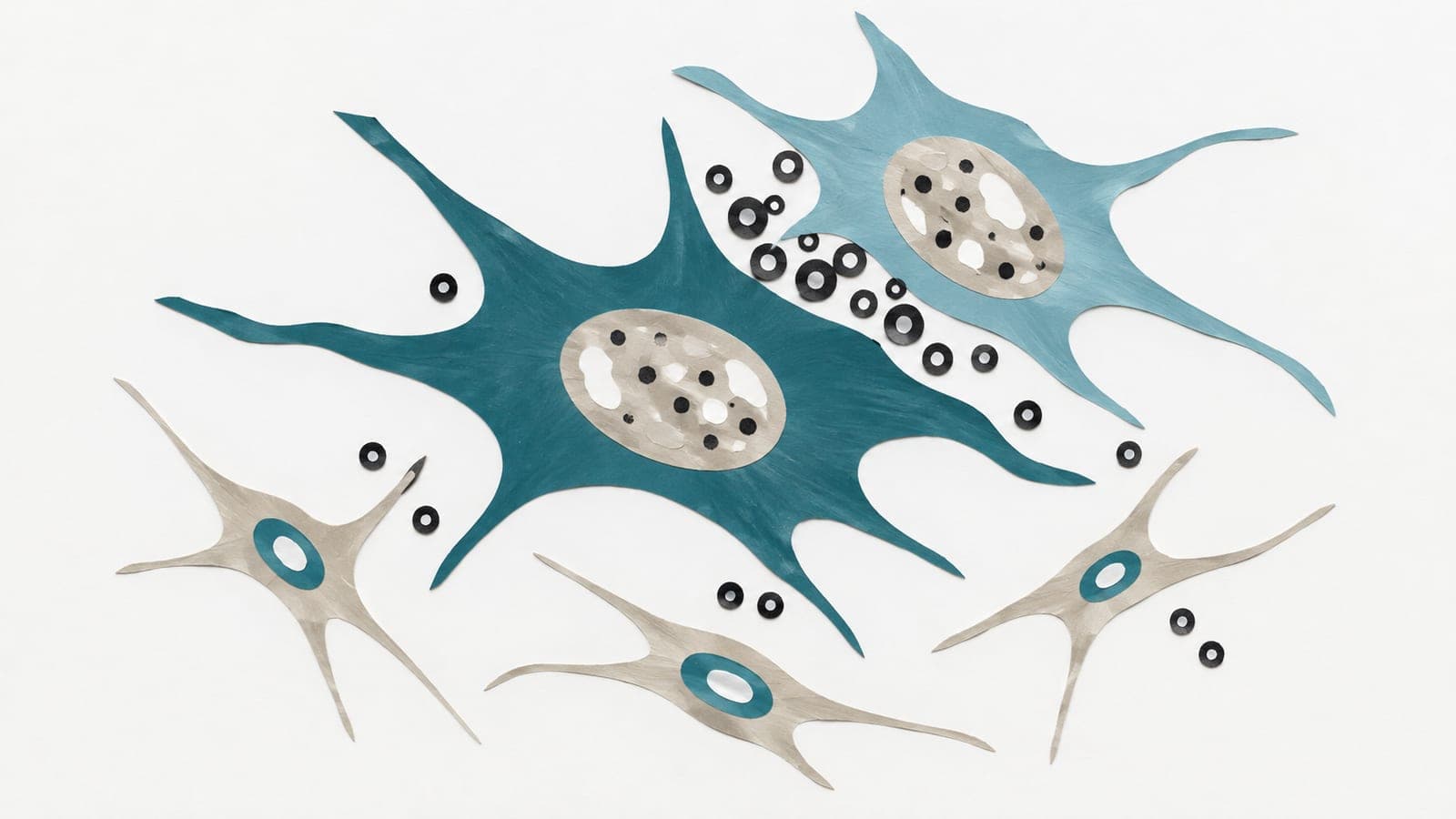
INTRODUCTION: The cGAS-STING pathway is essential for immunity, detecting cytosolic DNA to trigger defense mechanisms and sterile inflammation linked to aging, obesity, and chronic inflammatory diseases. This study examines cGAS-STING signaling in senescent monocyte-derived macrophages (MDMs) and monocytes within the context of obesity. MATERIALS AND METHODS: Primary human MDMs were differentiated from peripheral blood of young, healthy, lean donors using M-CSF, to guide monocytes toward the macrophage lineage. MDMs were cultured for 7 or 21 days to induce replicative senescence. Peripheral monocytes were also isolated from age- and sex-matched lean and obese participants. RESULTS: MDMs cultured for 21 days exhibited increased cellular and nuclear area, developed a senescent phenotype marked by increased P16 expression and γH2AX phosphorylation, shorter telomeres, loss of LAMIN B1, diminished phagocytosis, with reduced STING expression and impaired response to cGAS agonist 2'3'-cGAMP. Similarly, ex vivo monocytes from individuals with obesity displayed elevated P16 expression and increased γH2AX and β-galactosidase activity, along with increased STING expression, compromised downstream signaling and reduced cytokine secretion. DISCUSSION: Dysfunctional cGAS-STING signaling and senescence markers suggest a shared mechanism underlying immune dysfunction in aging and obesity. Understanding cGAS-STING's role in immune cells may provide insights into age-related immune decline and chronic inflammation.
The paper
Universidade Federal do Rio Grande do Sul; Pontifícia Universidade Católica do Rio Grande do Sul
Mechanisms of Ageing and Development, 28 Nov 2025