Impact of 5-HT7 receptor gene deletion on memory and affective behaviors in young and aged mice
Abstract
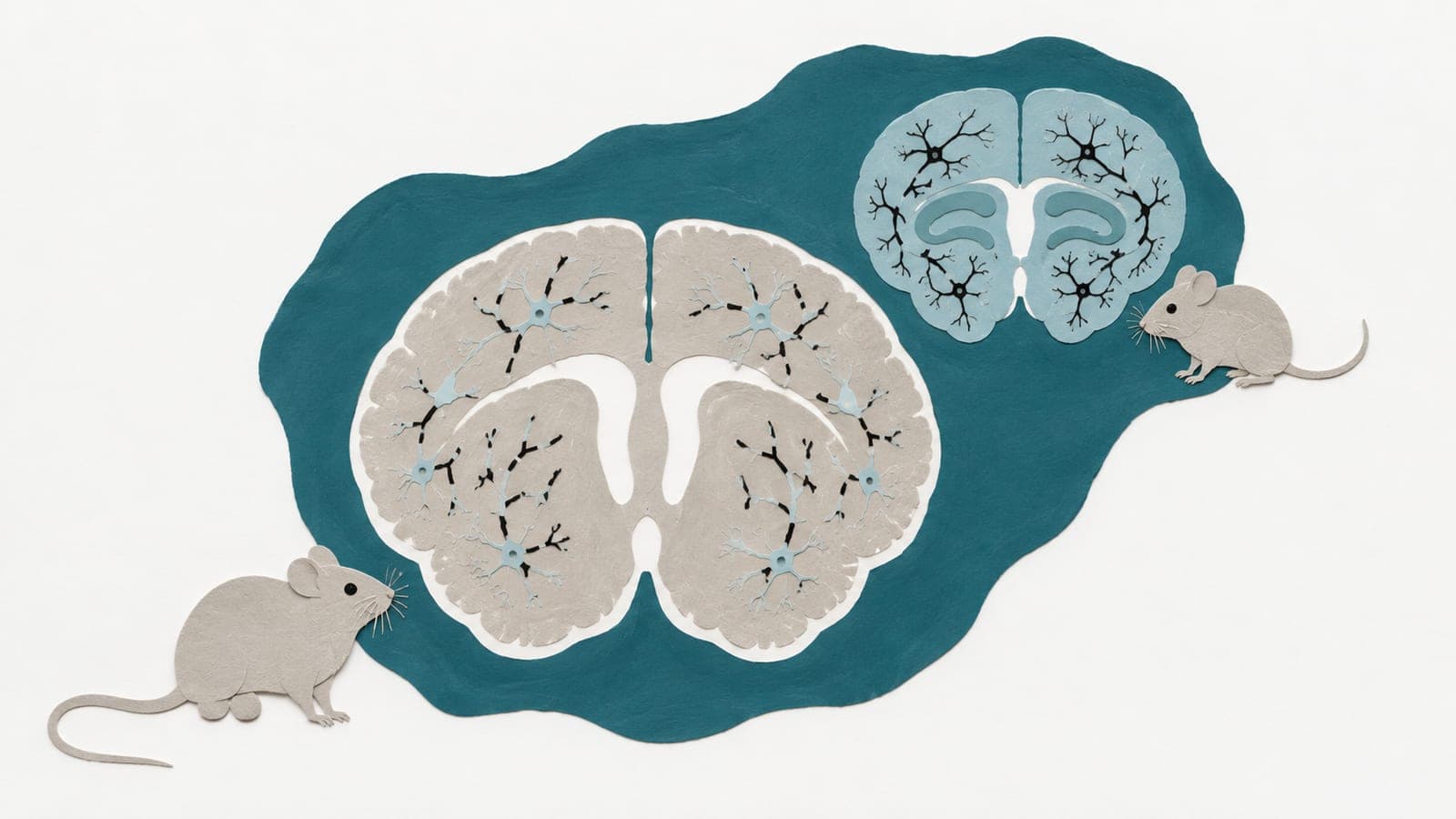
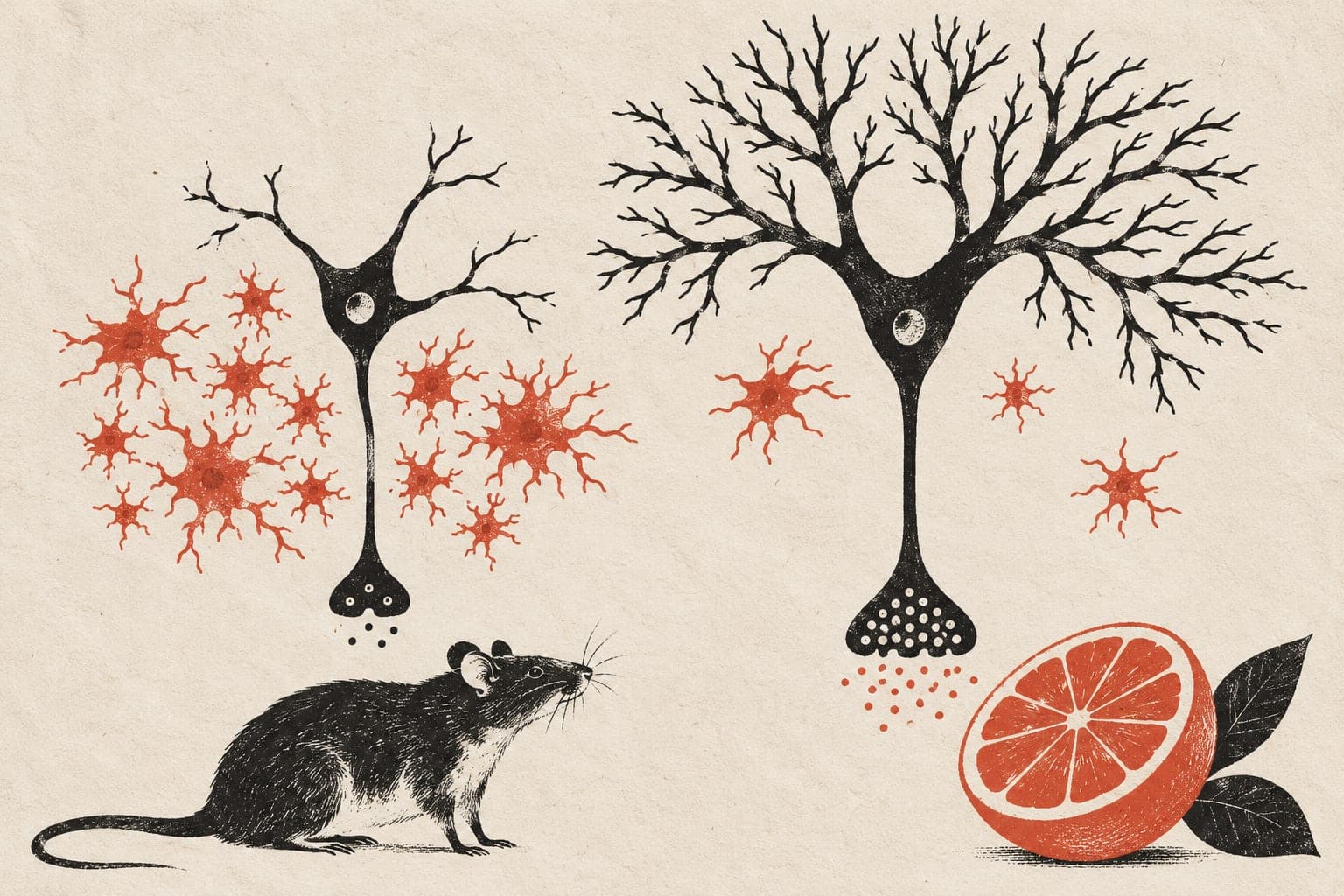
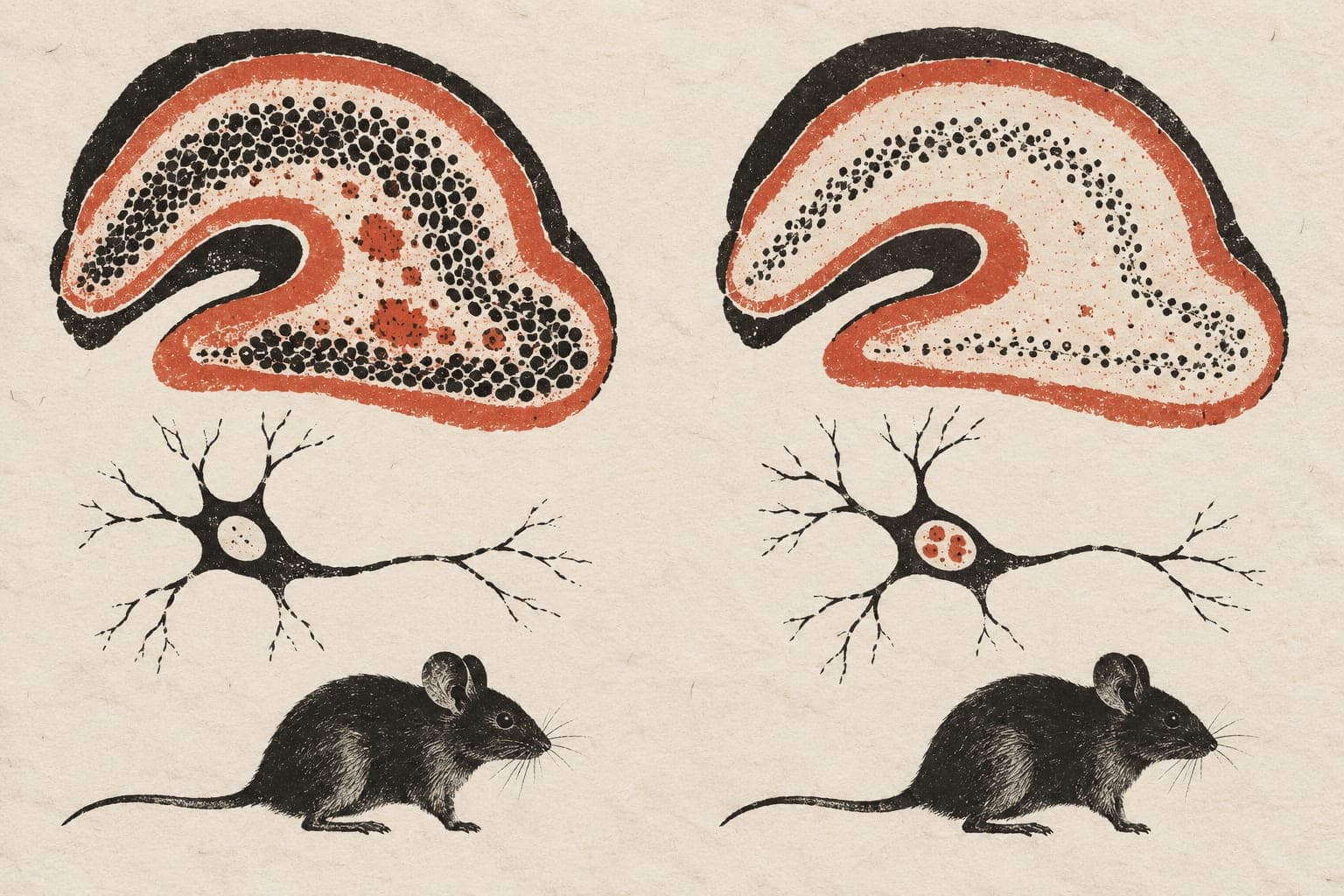
The 5-HT7 receptor subtype is expressed throughout the brain, including the cortex and hippocampus, and it has been implicated in the molecular mechanisms underlying memory and affective behaviors. Although aging also affects memory and behavior, how 5-HT7 receptor interacts with age-related changes of these phenotypes has not been fully elucidated. To further understand the role of 5-HT7 receptor on memory and affective behaviors across the lifespan, we assessed age-related changes in locomotor activity, spatial and recognition memory, sociability, anxiety- and depression-like behaviors in young (3-month-old) and aged (24-month-old) 5-HT7 receptor gene knockout (5-HT7 OK) and wild-type (WT) mice. Additionally, the mRNA expression levels of the htr7, htr1a, and htr2a in the cortex and hippocampus were determined using qPCR. Results indicated that 5-HT7 KO impaired short-time spatial memory and sociability, with more pronounced deficits in the aged group. Depression-like behavior was reduced in young and aged 5-HT7 KO mice, suggesting deletion of 5-HT7 receptor gene may involve an antidepressant-like effect. In the cortex, there was no differences in htr7 expression were observed between young and aged WT mice, and no differences in htr1a and htr2a expression across genotype groups. However, in the hippocampus, there was a significant reduced htr7 expression in aged WT mice and significant decreased htr1a and htr2a expression in aged 5-HT7 KO mice. Our results suggest that 5-HT7 signaling plays an important role in regulating spatial memory, social and affective behaviors during aging, highlighting its potential as a therapeutic target for age-related neuropsychiatric and neurodegenerative disorders.
The paper
Northwestern University
Neuroscience, 25 Nov 2025