Sorafenib reduced cognitive deficits in desflurane-exposed mice
In 18-month-old mice of both sexes exposed to 2% desflurane for two hours, sorafenib pretreatment restored CLOCK protein and improved cognitive performance.
Neurochemical Research
Researchers exposed 18-month-old C57BL/6 mice of both sexes to 2% desflurane for two hours, with or without sorafenib pretreatment at 50 mg/kg. Desflurane increased hippocampal c-Raf, ERK1/2 and MSK1 protein abundance while reducing CLOCK protein levels. Exposed mice showed deficits in contextual fear memory and spatial learning. Sorafenib restored CLOCK, reduced hippocampal β-galactosidase and α-synuclein immunoreactivity, and improved cognitive performance.
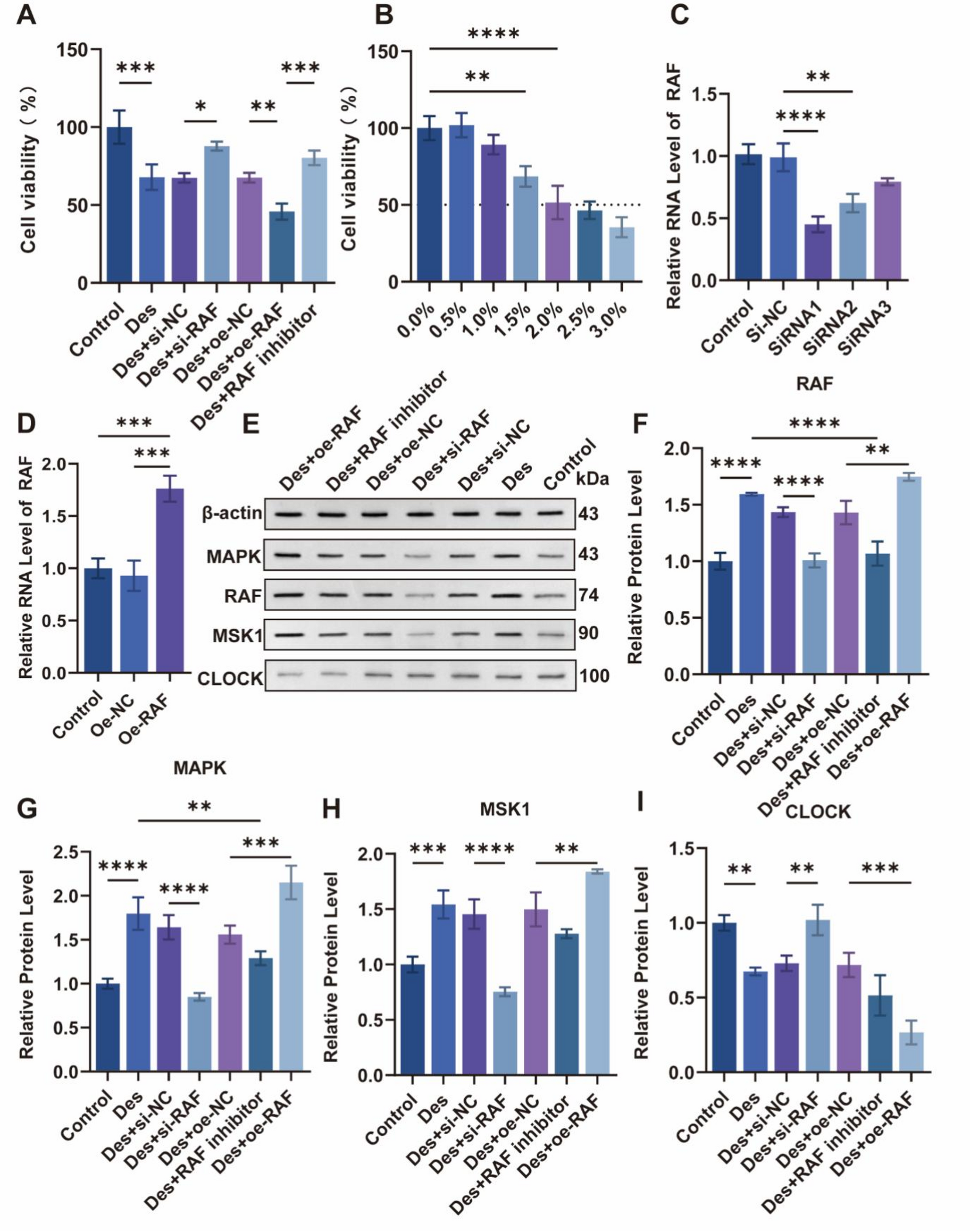
In parallel experiments in cultured HT22 hippocampal neurons, desflurane also increased these kinase proteins and reduced CLOCK. RAF knockdown normalized kinase abundance and restored CLOCK, while RAF overexpression exacerbated the changes. Together, the findings support a link between RAF–MAPK–MSK1 protein abundance and hippocampal CLOCK in desflurane-induced cognitive impairment. The researchers nominate RAF inhibition as a candidate strategy for further preclinical study.
Why it matters
The findings link changes in hippocampal CLOCK protein to anesthetic-associated cognitive impairment in aged mice, suggesting a candidate target for further preclinical research.
Caveats
The study tested anesthetic exposure in mice, not postoperative cognitive dysfunction in people. It measured kinase protein abundance, not phosphorylation status, and sorafenib inhibits multiple kinases.
The paper
Inner Mongolia Baogang Hospital
Neurochemical Research · 5 Oct 2026