Aging increases susceptibility to high-fat diet-induced neurobehavioral and mitochondrial dysfunction in zebrafish
14 days
Abstract
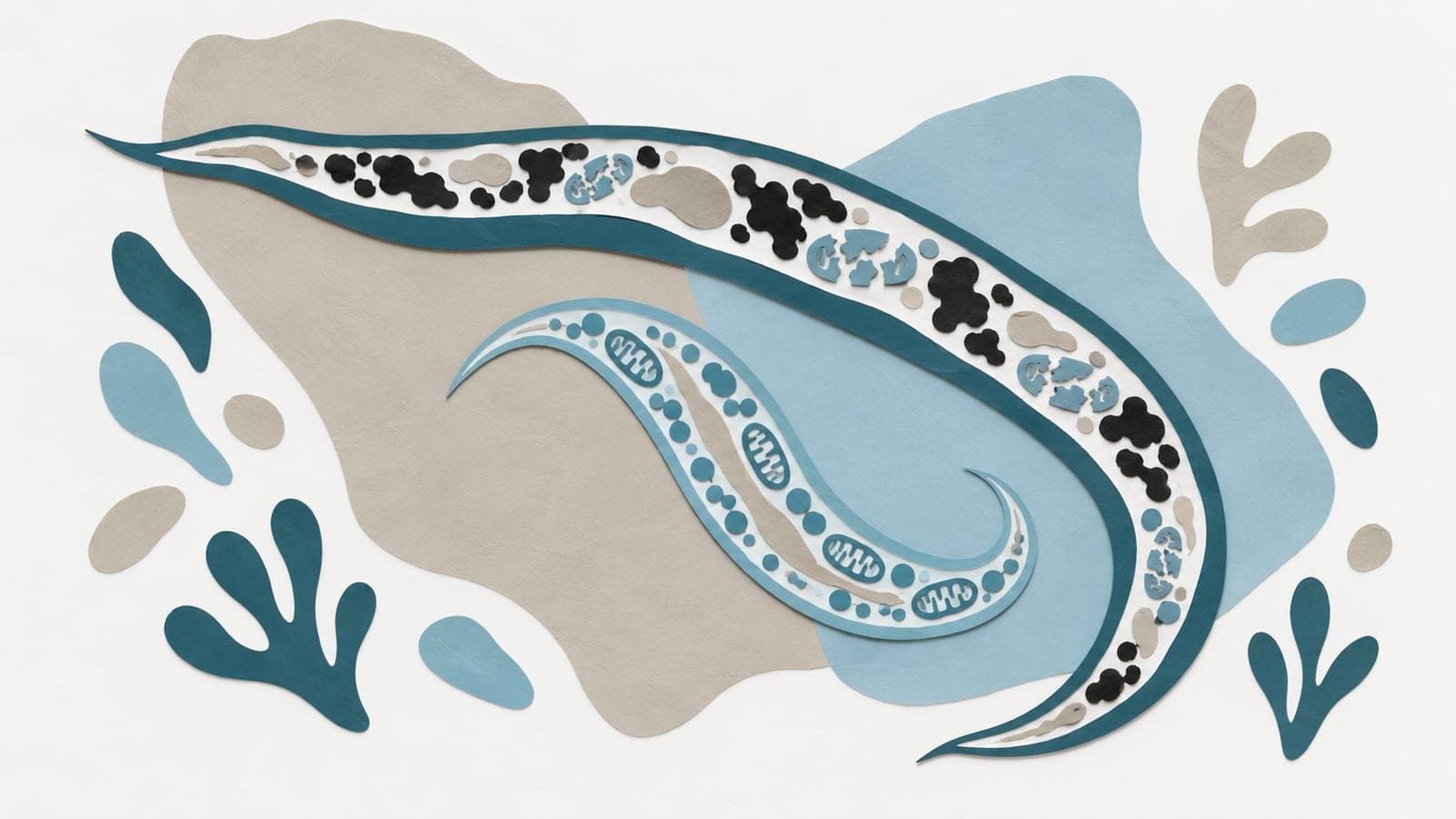
Aging and unhealthy eating habits independently and synergistically disrupt central nervous system (CNS) homeostasis, increasing susceptibility to neurological and behavioral disorders. Mitochondria plays a critical role in maintaining neuronal survival and activity, representing a central player in the pathogenesis of neurodegenerative diseases. Here, we used zebrafish as a model to investigate how aging and a high-fat diet (HFD) affect brain bioenergetics and behavior. Young (4-6 months) and aged (17-22 months) male zebrafish were fed either a standard diet or an HFD based on boiled chicken egg yolk for 14 days. Brain mitochondria was evaluated using high-resolution respirometry, transmission electron microscopy (TEM), and qRT-PCR. HFD impaired the metabolic health of both young and aged animals, promoting weight gain, increased abdominal length, and elevated fasting glucose levels. Aging intensified the HFD detrimental effects on behavior: aged HFD-fed zebrafish displayed increased anxiety-like behavior in the novel tank test, and impaired cognitive performance in the T-maze test. Notably, HFD had no significant effect on aggressive behavior regardless of age. Mitochondrial responses to HFD differed by age: while cerebral bioenergetic function declined in young fish, aged animals showed an opposite trend. TEM analysis revealed increased accumulation of fragmented mitochondria in HFD group, indicating potential mitochondrial dysfunction. RT-qPCR showed upregulation of genes involved in the electron transport chain, especially in aged zebrafish. In conclusion, our findings demonstrate an age-dependent vulnerability to the effects of HFD on both neurobehavioral and mitochondrial parameters.
- High-fat diet
- Mitochondrial fission and fusion
- Oxidative phosphorylation
- Mitochondrion
- Fasting glucose
- Zebrafish
The paper
Universidade de Brasília
Progress in Neuro-psychopharmacology & Biological Psychiatry, 20 Nov 2025