Effects of a moderate combined exercise program on cognitive function, quality of life, and glycemic profile in older adults with type II diabetes mellitus
12 weeks
Abstract
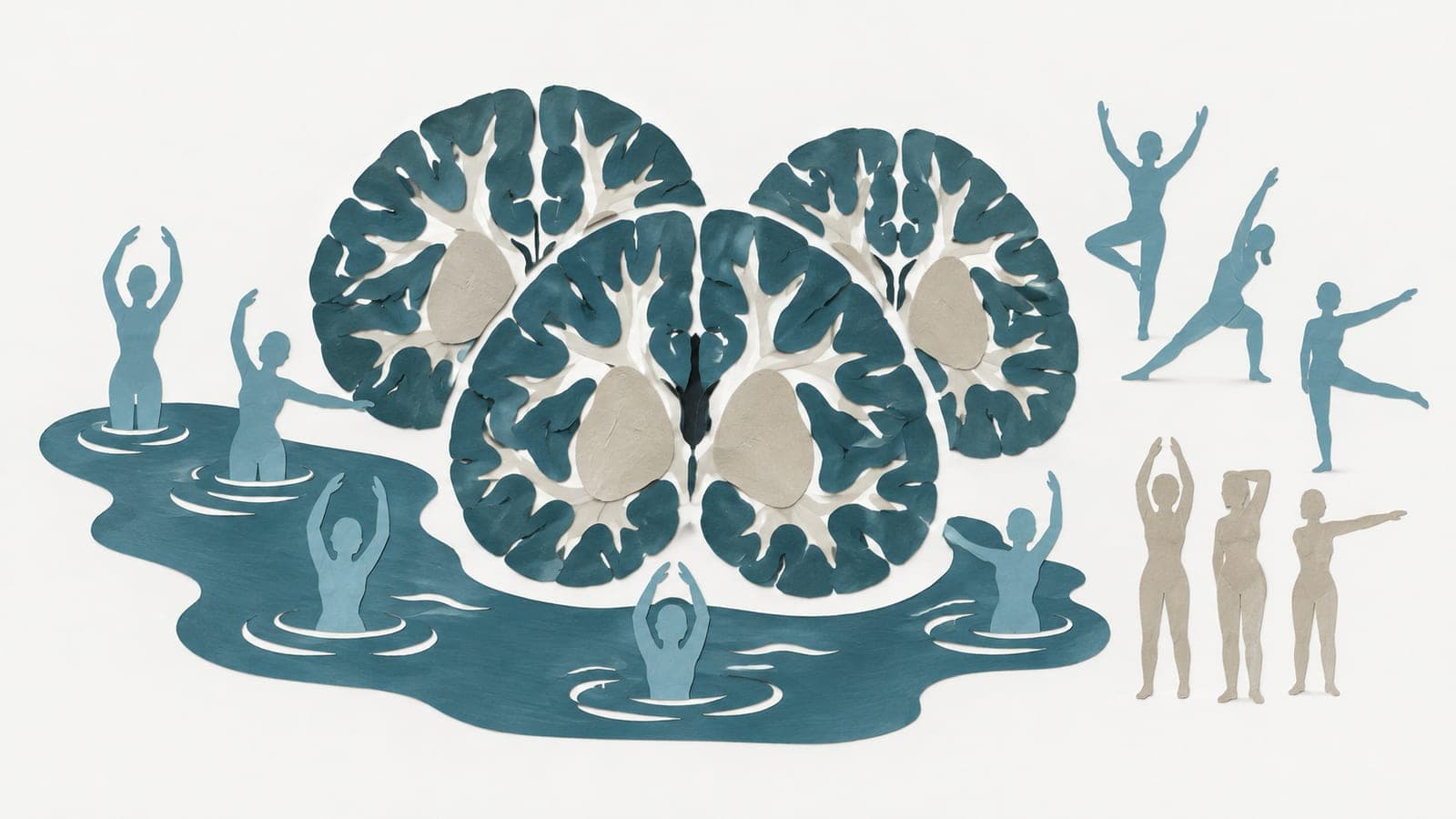
BACKGROUND: The risk of developing non-communicable chronic diseases, such as Type 2 Diabetes Mellitus (T2DM), has increased due to factors such as sedentary behavior, the adoption of nutrient-poor dietary patterns, and an increase in population longevity. Regular physical activity has been shown to lower these risks and prevent chronic non-communicable diseases. OBJECTIVE: This study aims to assess how a combined training program affects the Quality of Life (QoL), cognitive function, and glycemic profile of older people with T2DM. METHODS: Forty-three senior citizens participated in this experimental study. The process of assessing the glucose profile involved drawing 20 milliliters of peripheral blood for laboratory examination. The WHOQOL-Old and WHOQOL-Bref questionnaires were used to assess QoL, and the Montreal Cognitive Assessment (MoCA) was used to measure cognitive function. Targeting the main muscular groups, the intervention includes combination training for 12-weeks, twice a week, comprising leg press, calf raises, chest press, rowing, leg curls, and abdominal exercises. There was also thirty minutes of moderate intensity aerobic cycling exercise. RESULTS: After three months of moderate CT, older adults with T2DM showed improvements in fructosamine levels (partial η² = 0.07), indicating a medium effect size. Small effect sizes (partial η² ≈ 0.02-0.04) were observed in QoL domains related to physical, psychological, and environmental well-being. In cognitive function, a significant improvement was found in the abstraction domain (p = 0.031; partial η² = 0.12), with additional small effect sizes in delayed recall (partial η² = 0.04) and orientation (partial η² = 0.04) domains. CONCLUSION: There was a reduction in fructosamine levels and slightly improved QoL in physical, psychological, and environmental domains, with no change in HbA1c or aging-specific QoL. Cognitive function showed improvement in abstraction and small gains in recall and orientation.
The paper
Universidade São Judas Tadeu; Hospital das Clínicas da Faculdade de Medicina da Universidade de São Paulo
Clinics, 19 Nov 2025