Anti-PD-L2 immunotherapy is efficacious against melanoma in aged hosts through IL-17 and IFNγ signalling
By Ontiveros CO, Garcia MG, Murray CE et al.
Abstract
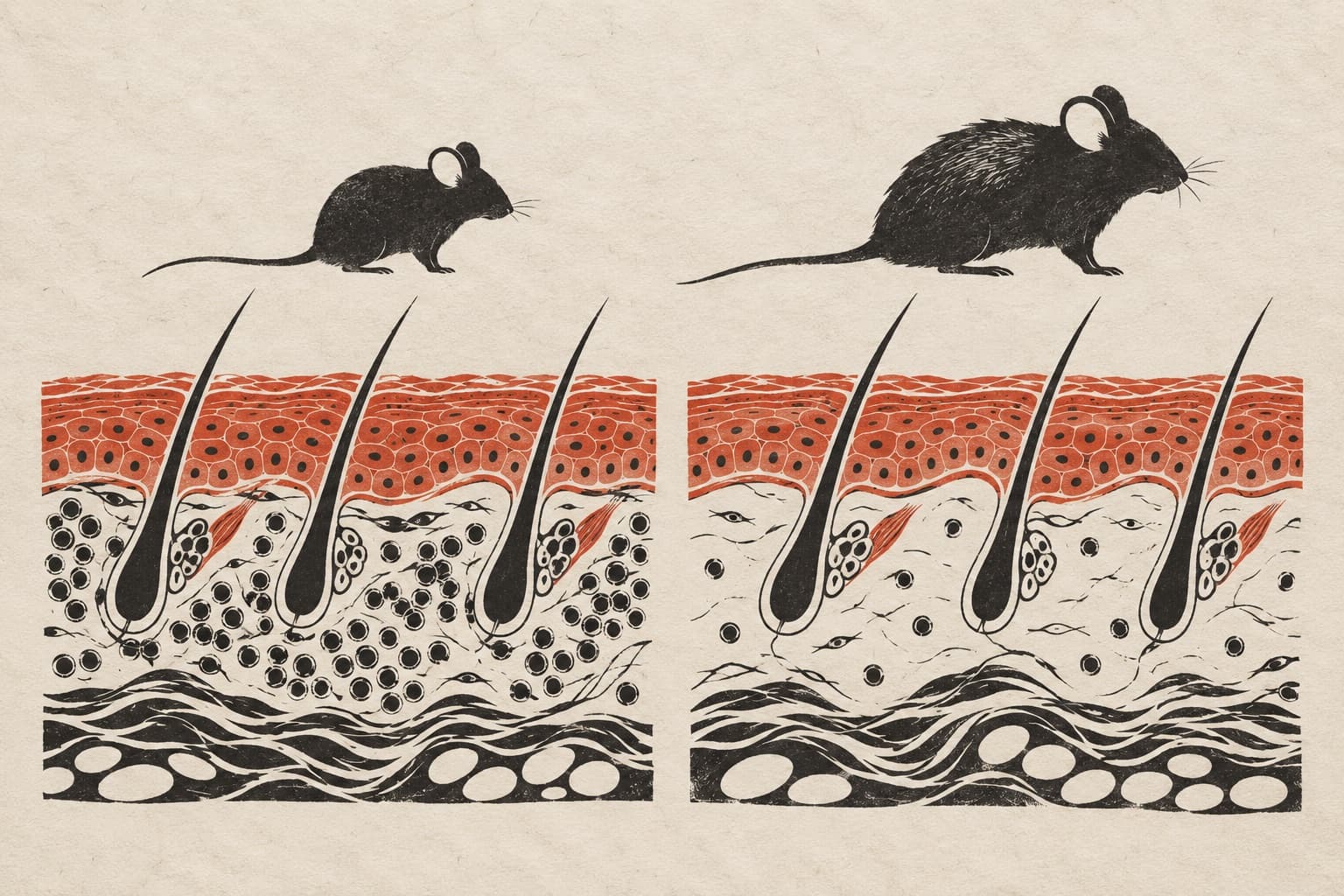
The PD-L1 immune checkpoint ligates the PD-1 immune checkpoint, and antibodies against either are effective in treating selected human cancers. Although PD-L2 also ligates PD-1, αPD-L2 is little studied as cancer immunotherapy. We previously showed that αPD-L1 treated young B16-bearing mice but failed in aged. We show here that αPD-L2 fails in young B16-bearing mice but is effective in aged. αPD-L2 increases tumour-infiltrating interferon-γ⁺ immune cell prevalence and interferon-γ production in aged but not young melanoma-bearing hosts in an unexpectedly IL-17-dependent manner. We also show improved αPD-L2 efficacy with advancing age in another tumour type, and αPD-L2-responsive tumours in young hosts, but without IL-17 dependence. The immune B16 microenvironment in aged IL-17-deficient hosts resembles that of young hosts, and exogenous IL-17 elicits αPD-L2 melanoma efficacy in young hosts, demonstrating IL-17 influence on aged immune outcomes. Mechanistic insights into age-related αPD-L2 efficacy could improve immune checkpoint blockade efficacy including in younger patients, address immune checkpoint blockade-resistant tumours and improve understanding of age effects on anti-cancer immunity.
The paper
Ontiveros CO, Garcia MG, Murray CE et al.
Nature Communications, 19 Nov 2025