HMGB2 Deficiency in Bone Marrow Mesenchymal Stem Cells Promotes Age-Related Osteoporosis by Inhibiting Osteoblast Differentiation via Inflammatory Factors
Abstract
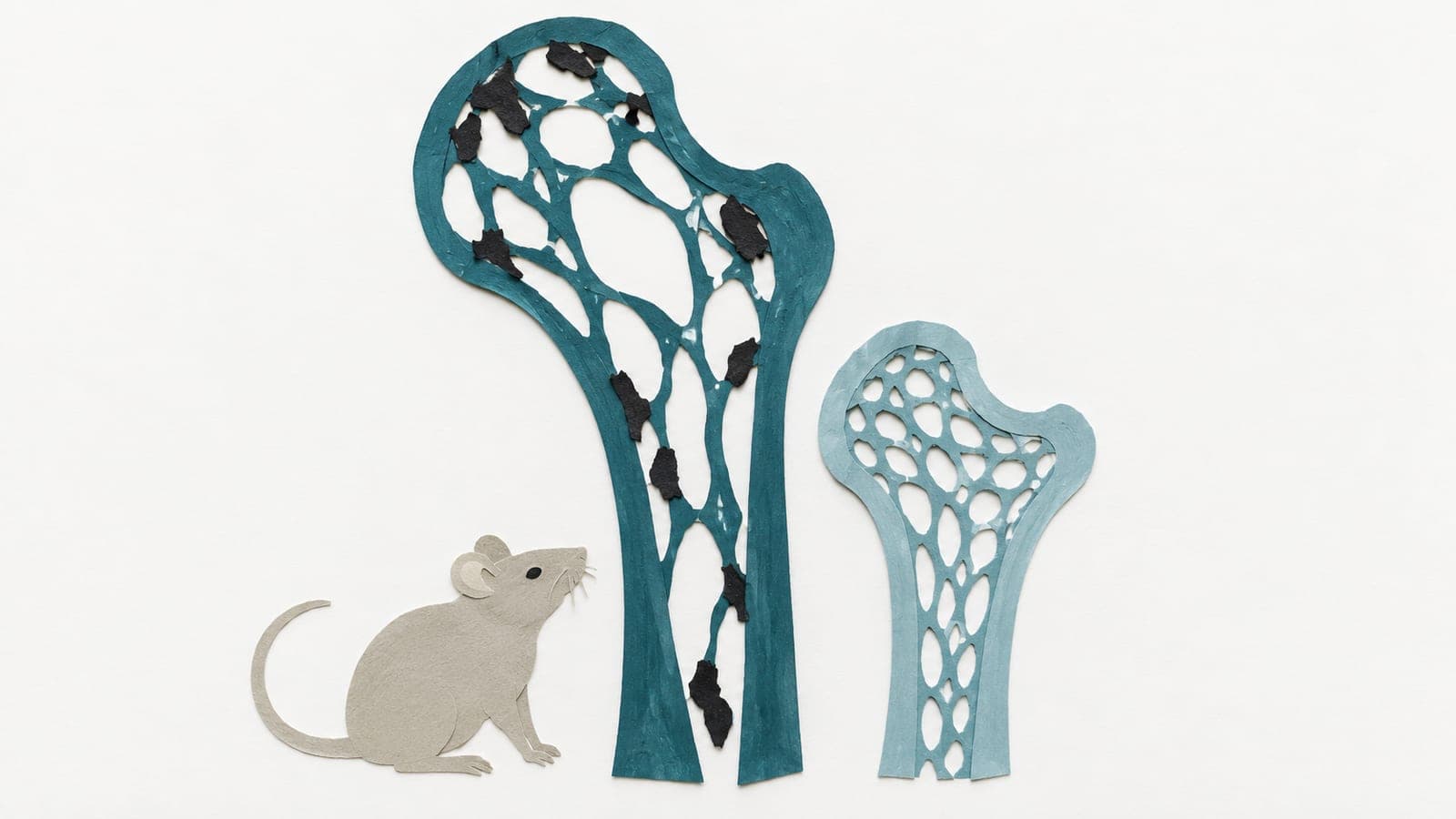
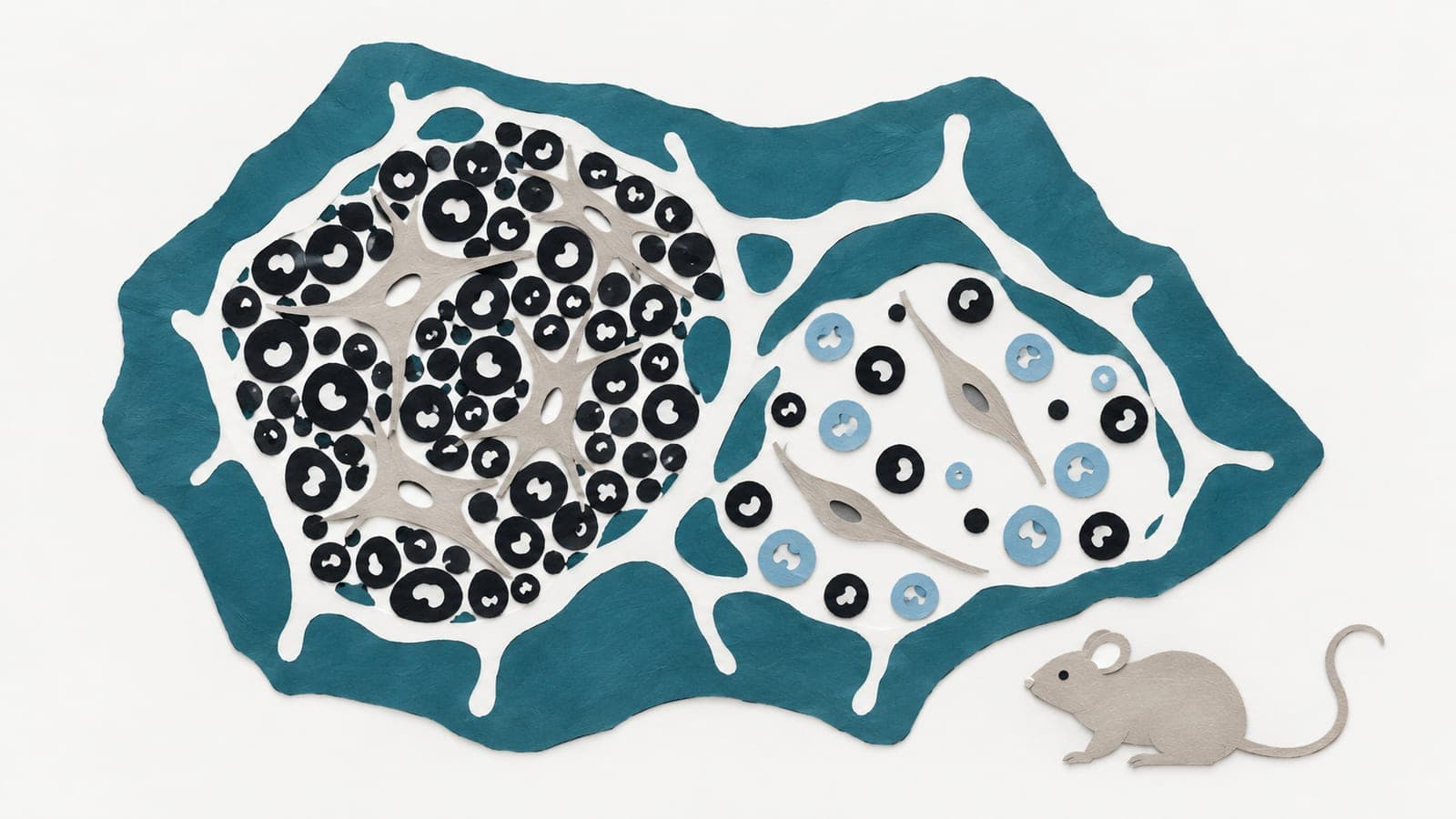
With the global rise in osteoporosis due to aging, impaired osteogenic differentiation of bone marrow mesenchymal stem cells (BMSCs) has emerged as a critical pathogenic factor. Although high mobility group box 2 (HMGB2) is implicated in BMSC aging and organismal senescence, its mechanistic role in osteoporosis remains unclear. Here, we investigate HMGB2's regulatory effects on BMSC osteogenic differentiation under aging conditions. Using an H₂O₂-induced BMSC senescence model, we demonstrate that cellular senescence suppresses osteogenic differentiation, evidenced by reduced expression of osteogenic markers and diminished proliferation. Notably, HMGB2 overexpression reversed senescence-mediated osteogenic impairment. In vivo studies of ovariectomy-induced aging mice revealed a strong correlation between HMGB2 downregulation and osteoporosis progression, confirmed via immunohistochemistry. Mechanistically, HMGB2 promotes osteogenesis by directly suppressing TNF-α and stabilizing the long non-coding RNA TUG1, which subsequently inhibits pro-inflammatory cytokines IL-1β and IL-6. This dual regulatory pathway highlights HMGB2's role in counteracting senescence-driven osteogenic decline. Our study not only elucidates a novel HMGB2/TUG1 axis governing stem cell differentiation but also identifies HMGB2 as a promising therapeutic target for combating osteoporosis.