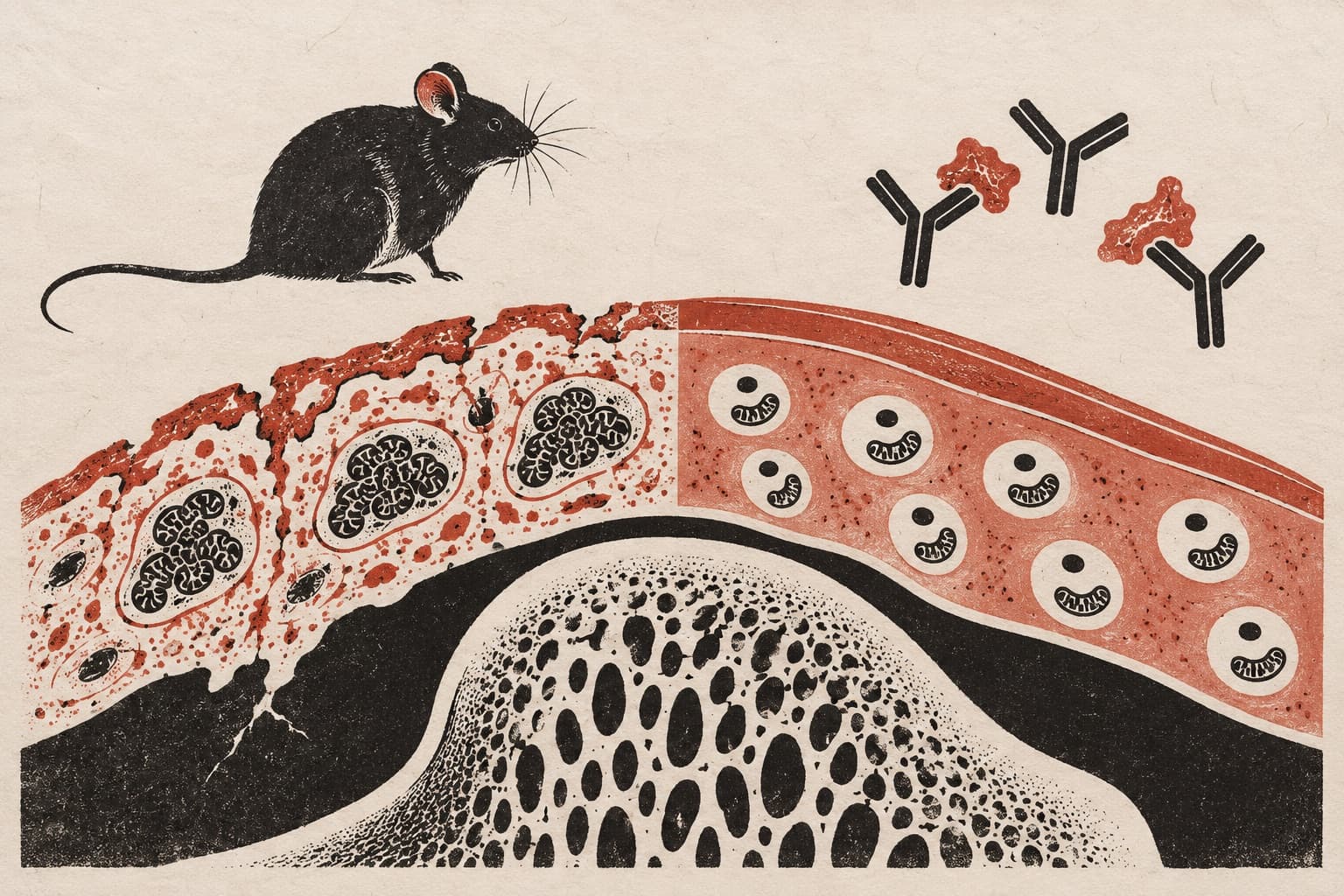
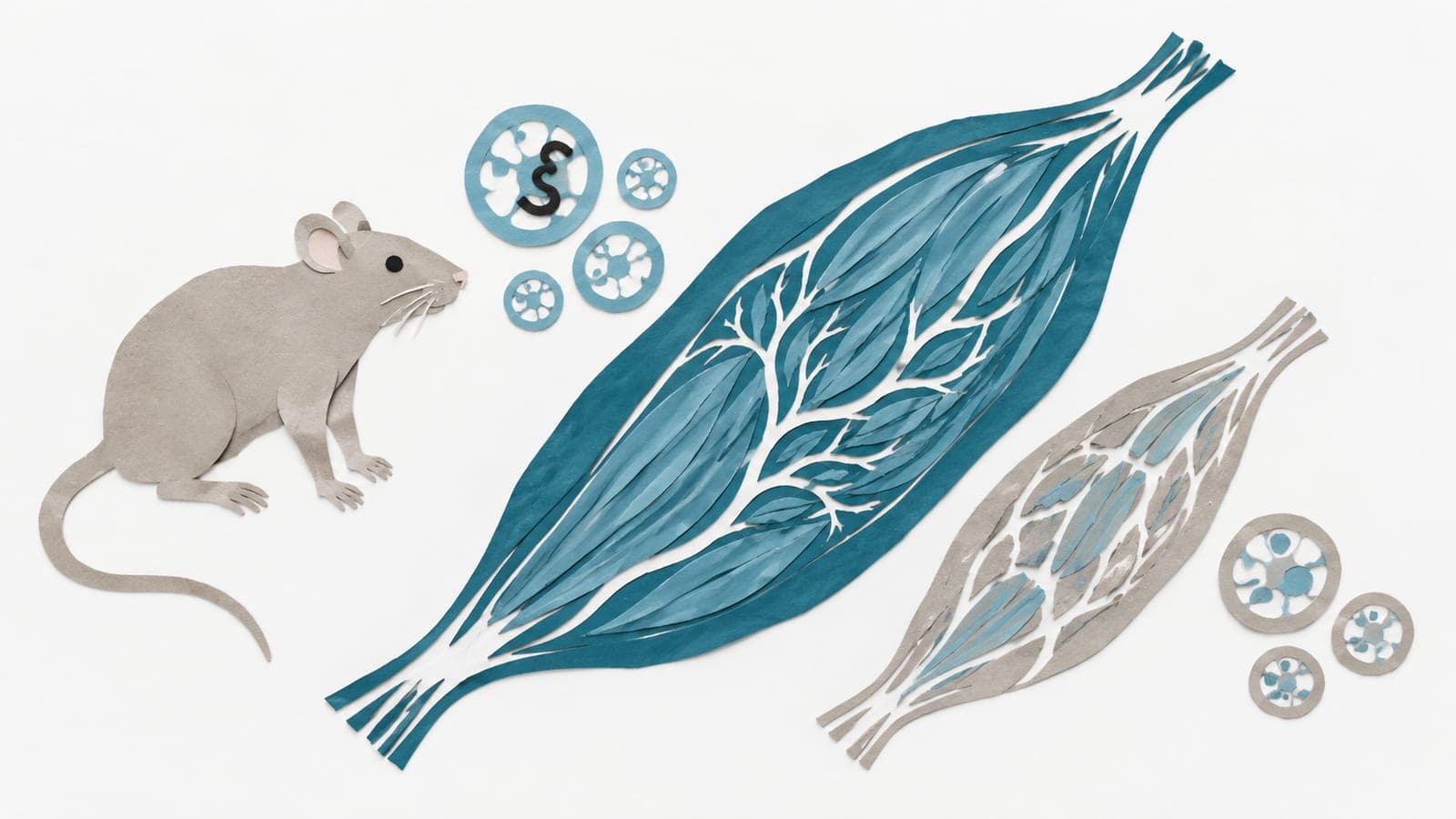
Interleukin-17F Induces Ischemic Injury in Aged Mice by Causing Endothelial Cells' Senescence and Dysfunction
By Chen M, Chen J, Liu Y et al.
Abstract
This study investigated the relationship between plasma Interleukin-17A (IL-17A) and Interleukin-17F (IL-17F) levels and peripheral arterial disease (PAD), and explored the role of IL-17F in neovascularization in a preclinical PAD model of aged mice. Using an enzyme-linked immunosorbent assay, we found that plasma IL-17A levels were similar in young and aged groups in both PAD patients and mice with hindlimb ischemia. In contrast, IL-17F levels were elevated in the aged group. Spearman correlation analysis showed a positive correlation between IL-17F levels and PAD severity, onset risk, and cardiovascular outcome. Under simulated ischemic conditions, IL-17F induced endothelial cells (ECs) senescence and dysfunction in a dose-dependent manner. In aged male and female mice following left femoral artery ligation, results from Doppler imaging, ischemia and motor scores, and histology indicated that neutralization of IL-17F enhanced blood flow recovery, reduced ischemia scores, improved motor scores, and facilitated muscle regeneration and repair. Micro-CT, whole-mounting, and immunofluorescence staining results showed that neutralization of IL-17F promoted neovascularization and inhibited ischemic hindlimb muscle ECs' senescence and dysfunction. This study reveals for the first time that higher IL-17F levels were positively associated with PAD severity, onset risk, and cardiovascular outcome. Neutralization of IL-17F promoted postischemic neovascularization in aged mice, suggesting it represented a promising therapeutic strategy for elderly PAD patients.