Analytical Review on Normal Brain Aging, Alzheimer's Disease, and Stage 4S Neuroblastoma: Novel Insights Into Neuroprotection, Neurodegeneration, and Spontaneous Regression
Abstract
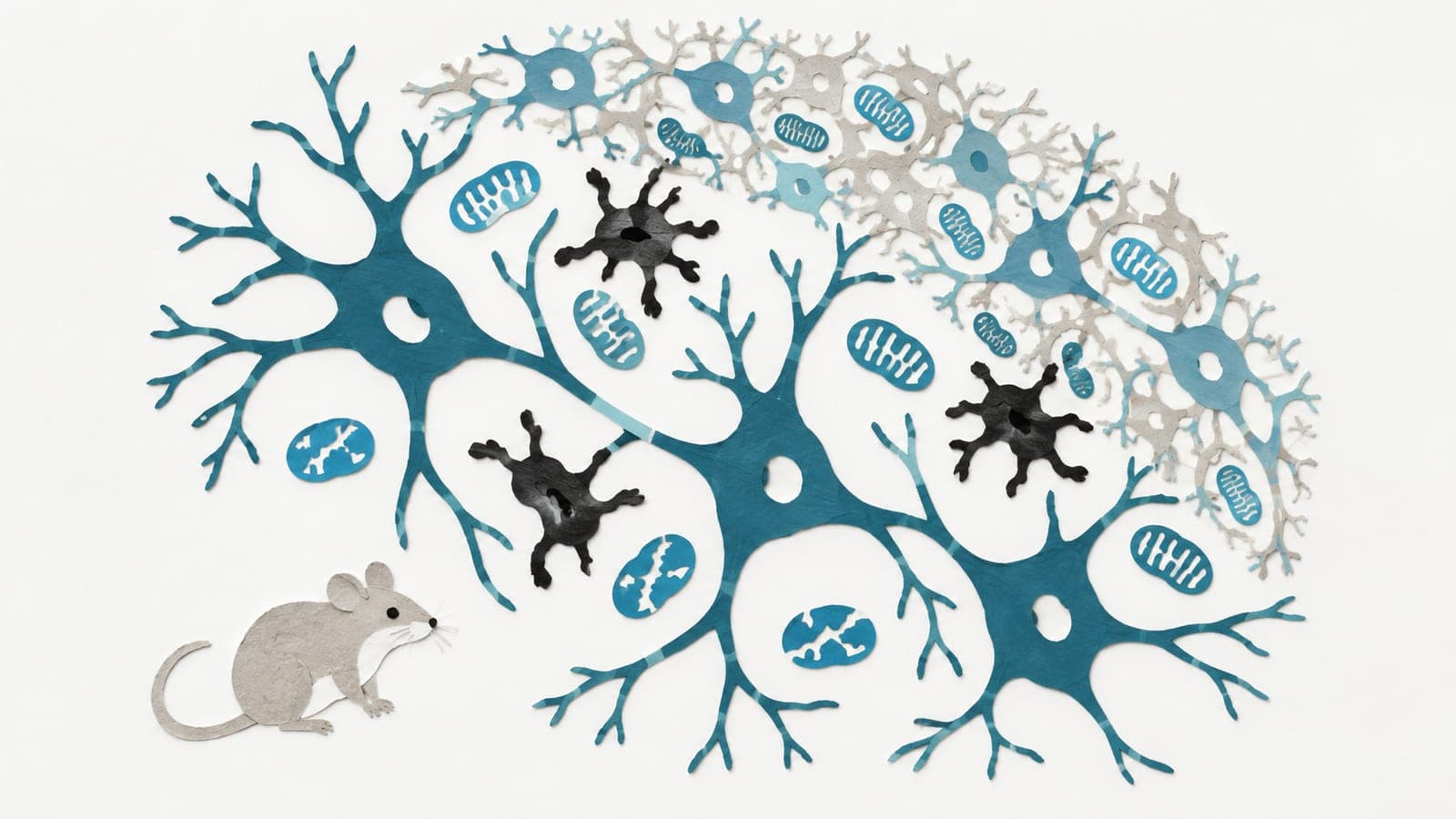
The normal aging brain does not show massive neuron loss. However, neurodegenerative diseases are characterized by the progressive loss of neurons that differentiate from neuroblasts arising in the neural tube. Oxidative stress induces protein misfolding and aggregation that generates endoplasmic reticulum (ER) stress, leading to the activation of the unfolded protein response (UPR). Oxidative stress can also impair autophagy and mitophagy. Prolonged ER stress and impaired autophagy or mitophagy together can promote neuronal death. Neuroblastoma is an embryonal tumor developing from sympathetic neuroblasts. Stage 4S neuroblastoma is frequently associated with spontaneous regression. Autophagy decreases in stage 4S neuroblastoma, whereas apoptosis increases. The present review focuses on the molecular and cellular fundamentals of normal brain aging, neurodegenerative diseases, and neuroblastoma with spontaneous regression. Differential gene expressions and associated potential mechanisms of the normal aging brain, Alzheimer's disease (AD) brain, and stage 4S neuroblastoma are investigated by analyzing the Gene Expression Omnibus (GEO) datasets and publications. In conclusion, there are gender- and region-specific differential expressions and connected differential molecular mechanisms in the normal aging brain and AD brain. PRH1 and MIR181A1HG are likely to play neuroprotective roles in certain brain regions of elderly females. The loss of myelinating oligodendrocytes in the entorhinal cortex (EC) and repressed adult hippocampal neurogenesis can contribute to cognitive impairment in AD. Neurodegeneration of mature neurons and spontaneous regression of immature sympathetic neuroblast-derived neuroblastomas may occur via similar cellular behavior of mature and immature nerve cells. Impaired autophagy and apoptosis can play crucial roles in both synaptic dysfunction and neuron death in AD and the spontaneous regression of stage 4S neuroblastoma. Finally, the present analytical review provides novel insights into apoptosis, neuronal differentiation, immune response, impaired autophagy, and impaired double-strand break (DSB) repair, considered potential mechanisms underlying spontaneous regression in stage 4S neuroblastoma.