Drug-Induced Senescence in Liver Cells Promotes M2 Macrophage Polarization: Implications for Tyrosine Kinase Inhibitor-Associated Hepatotoxicity
Abstract
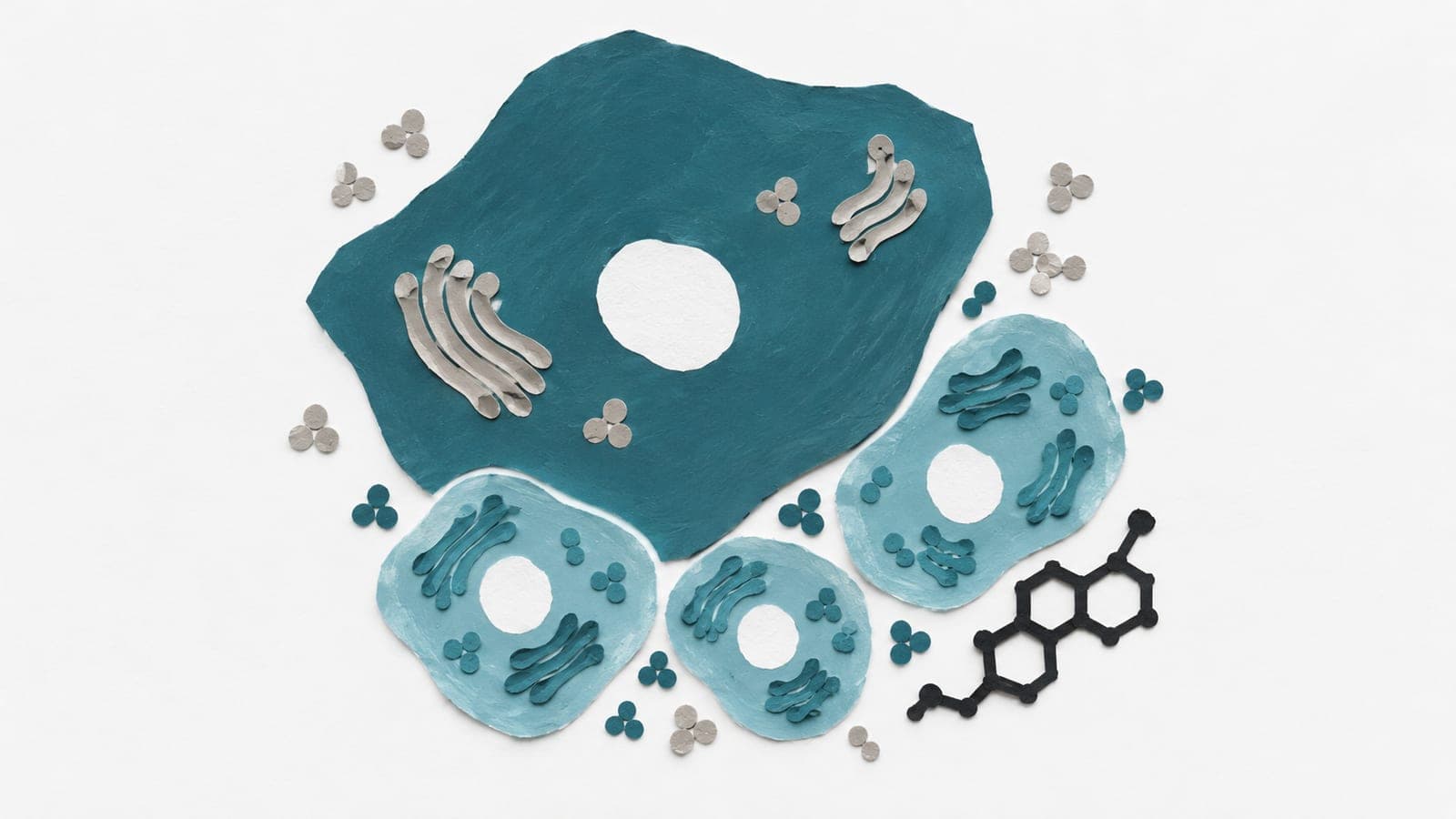
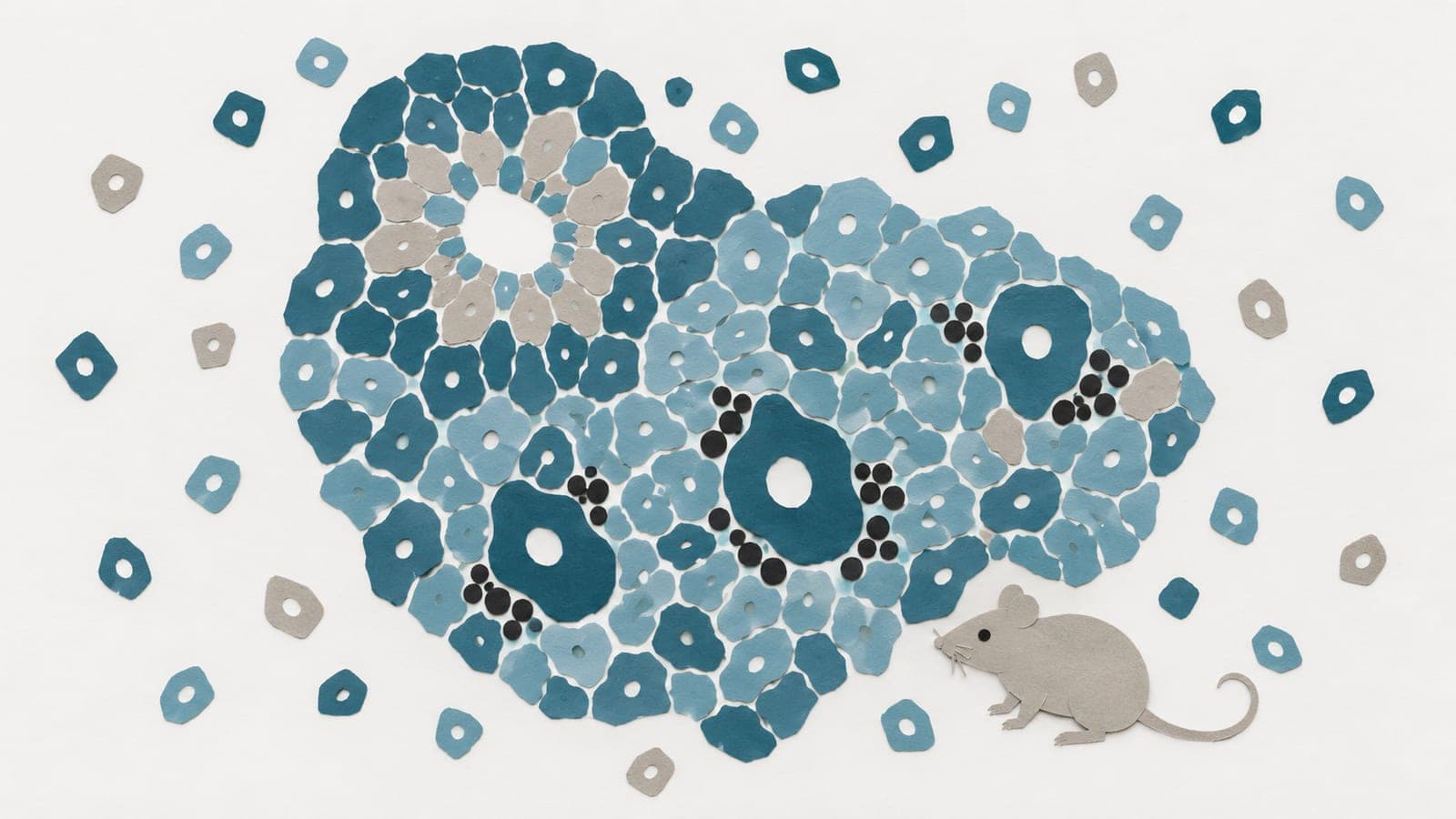
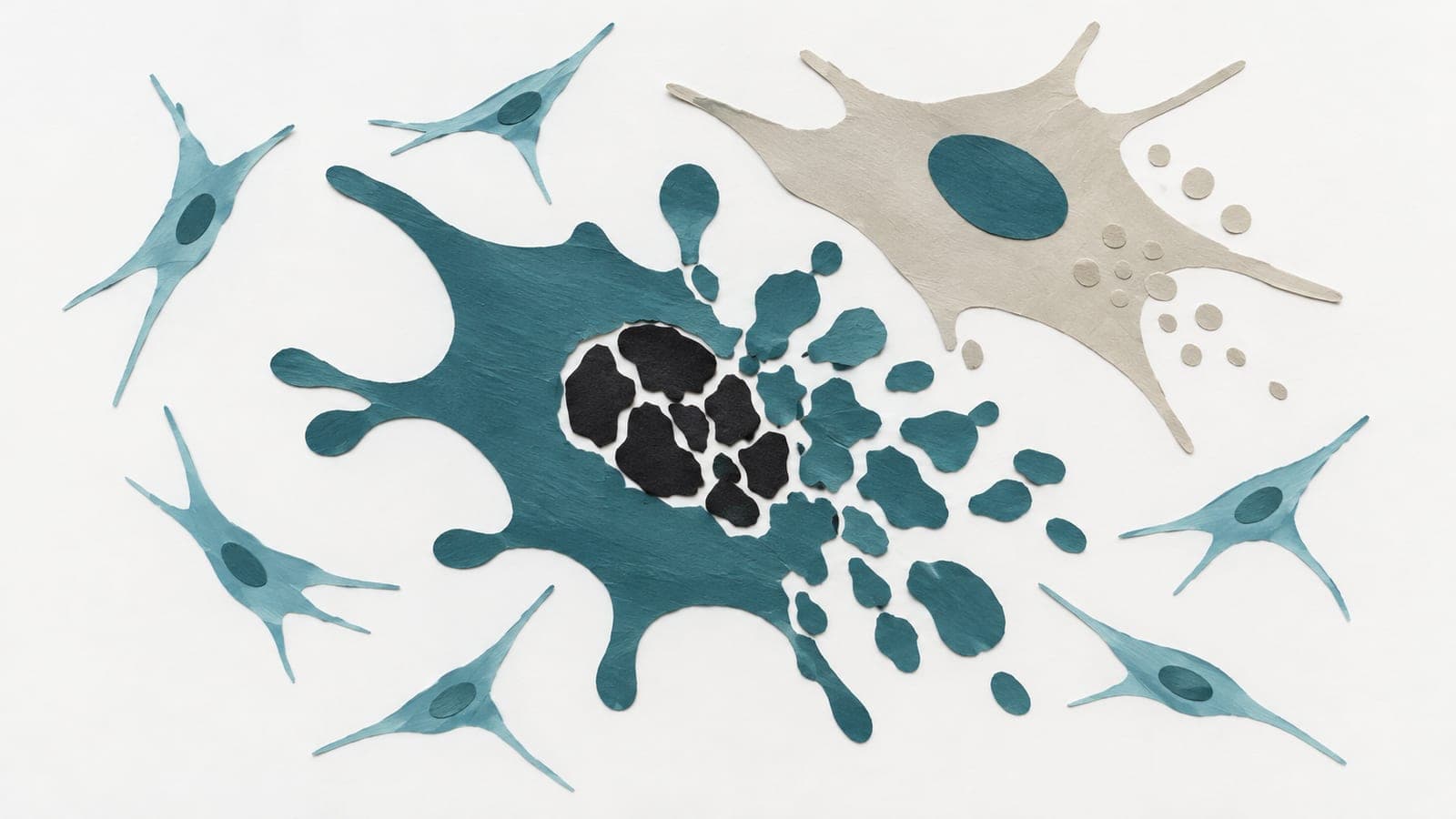
Lapatinib and neratinib are tyrosine kinase inhibitors (TKIs) approved for treating HER2-positive metastatic breast cancer, but their clinical use is limited by hepatotoxicity. Within hepatocytes, cytochrome P450 enzymes produce reactive metabolites of these drugs, causing DNA damage, mitochondrial dysfunction, and oxidative stress, which lead to hepatocyte injury. This cellular stress triggers hepatocyte senescence, a state of growth arrest accompanied by the secretion of pro-inflammatory and tissue-remodeling factors called the senescence-associated secretory phenotype (SASP). SASP significantly modifies the liver microenvironment, influences immune cell behavior, and worsens tissue damage. We show that lapatinib and neratinib induce senescence and SASP in the HepG2 liver cell line. Additionally, SASP from these senescent cells promotes M2-like polarization of RAW264.7 macrophages. Although M2 macrophages are associated with anti-inflammatory responses and tissue repair, their excessive or prolonged activity can lead to tissue damage and fibrosis. Our findings highlight a mechanism by which TKI-induced hepatocyte senescence and SASP modulate the immune response and may contribute to liver toxicity in breast cancer patients. This underscores the importance of targeting senescent cells or SASP factors to reduce liver toxicity and improve treatment outcomes, making the identification of effective senotherapeutics a vital research focus. There hasn't been any literature report demonstrating the effect of TKI-induced liver cell secretome on macrophage polarization.
The paper
Shiv Nadar Institution of Eminence
Journal of Visualized Experiments, 17 Oct 2025