Narrative Review of Electromyography Applied to Screening or Diagnosis of Sarcopenia
Abstract
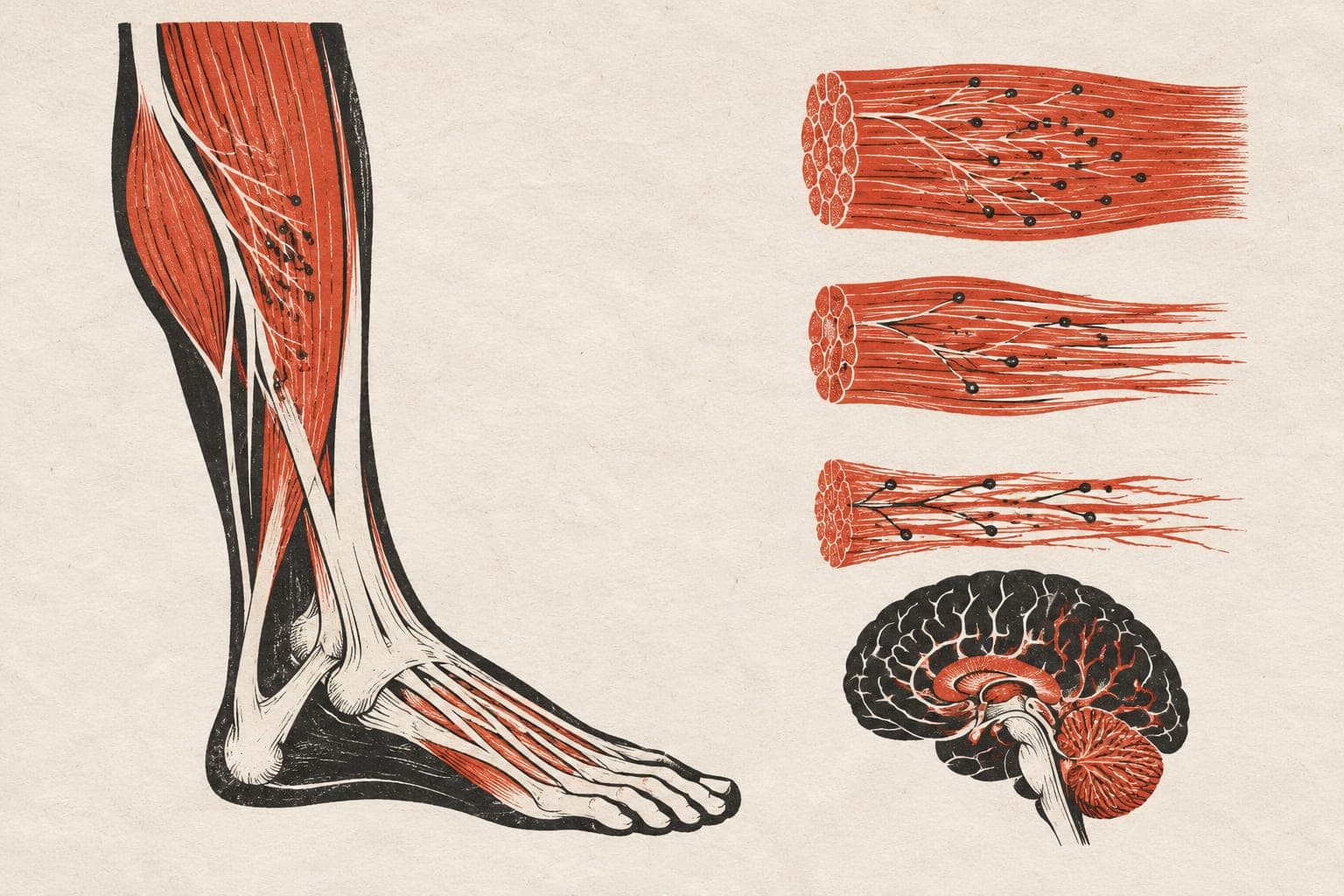
Sarcopenia, an age-related progressive skeletal muscle disorder characterized by muscle mass and function loss, lacks agreed screening and diagnostic guidelines. Current methods, including the SARC-F instrument and dual energy X-ray absorptiometry, vary in effectiveness, and no highly sensitive and accessible tools are available at the community level, which is the frontline of its management. Electromyography (EMG), applied in aging research for nearly 50 years, offers potential for sarcopenia detection. This narrative review, based on 44 studies from Web of Science, PubMed, and Scopus, aims to explore EMG-based sarcopenia research, identify gaps, and propose future directions. Our findings showed that while EMG research on sarcopenia is expanding in recent years, the body of literature remains limited. Most studies are cross-sectional with small sample sizes and often conflate sarcopenia with aging. Conducted mainly in 14 countries across Asia, Europe, and North America, these studies focus on lower limb muscles using surface EMG (sEMG). They can be categorized into mechanism-driven, data-driven, and application-driven research. Despite its promise, there is significant limitations for EMG to be applied in clinical use. Longitudinal studies are scarce, and results vary due to different EMG techniques, experimental protocols and EMG analysis methods. In conclusion, while EMG shows potential in sarcopenia screening and diagnosis, further research is needed. Future studies should focus on evaluating exercise therapy, refining diagnostic criteria, optimizing EMG techniques, and clarifying sarcopenia subtypes to develop more effective screening and diagnostic tools.
The paper
Sichuan University
IEEE Transactions on Neural Systems and Rehabilitation Engineering, 1 Jan 2025