Ketotifen reacidifies secretory lysosomes and normalises ageing phenotypes in mast cells
5 months
Abstract
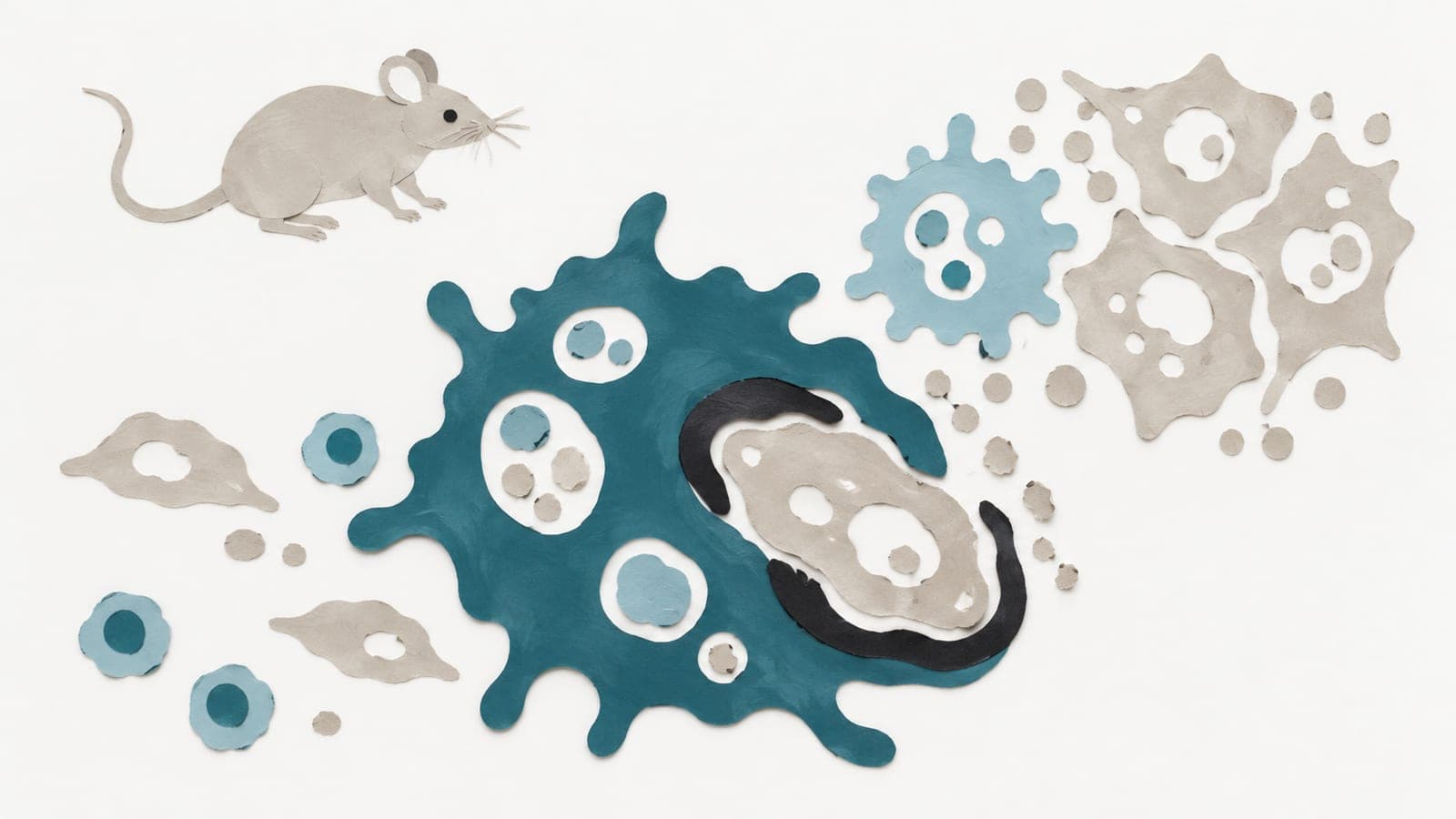
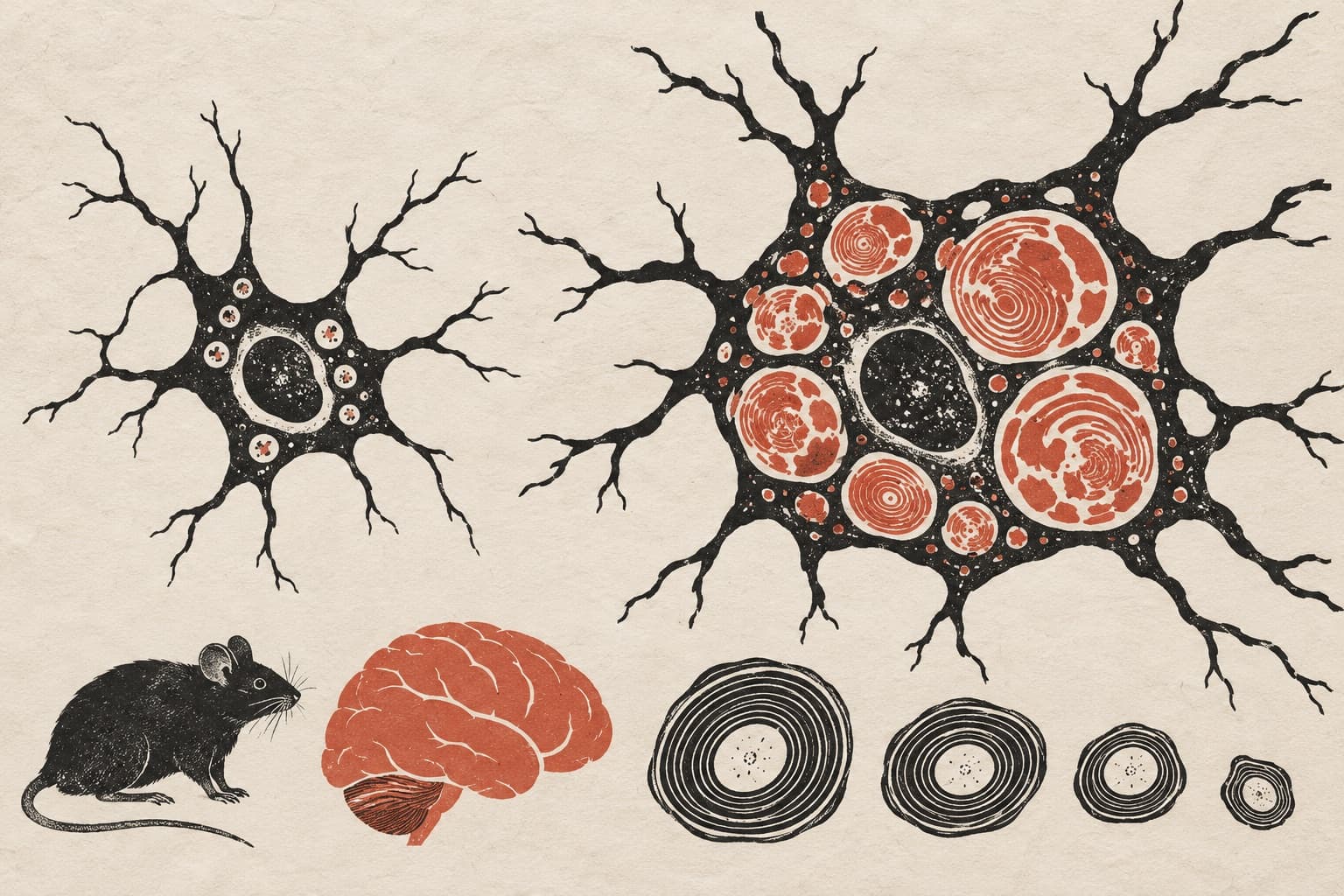
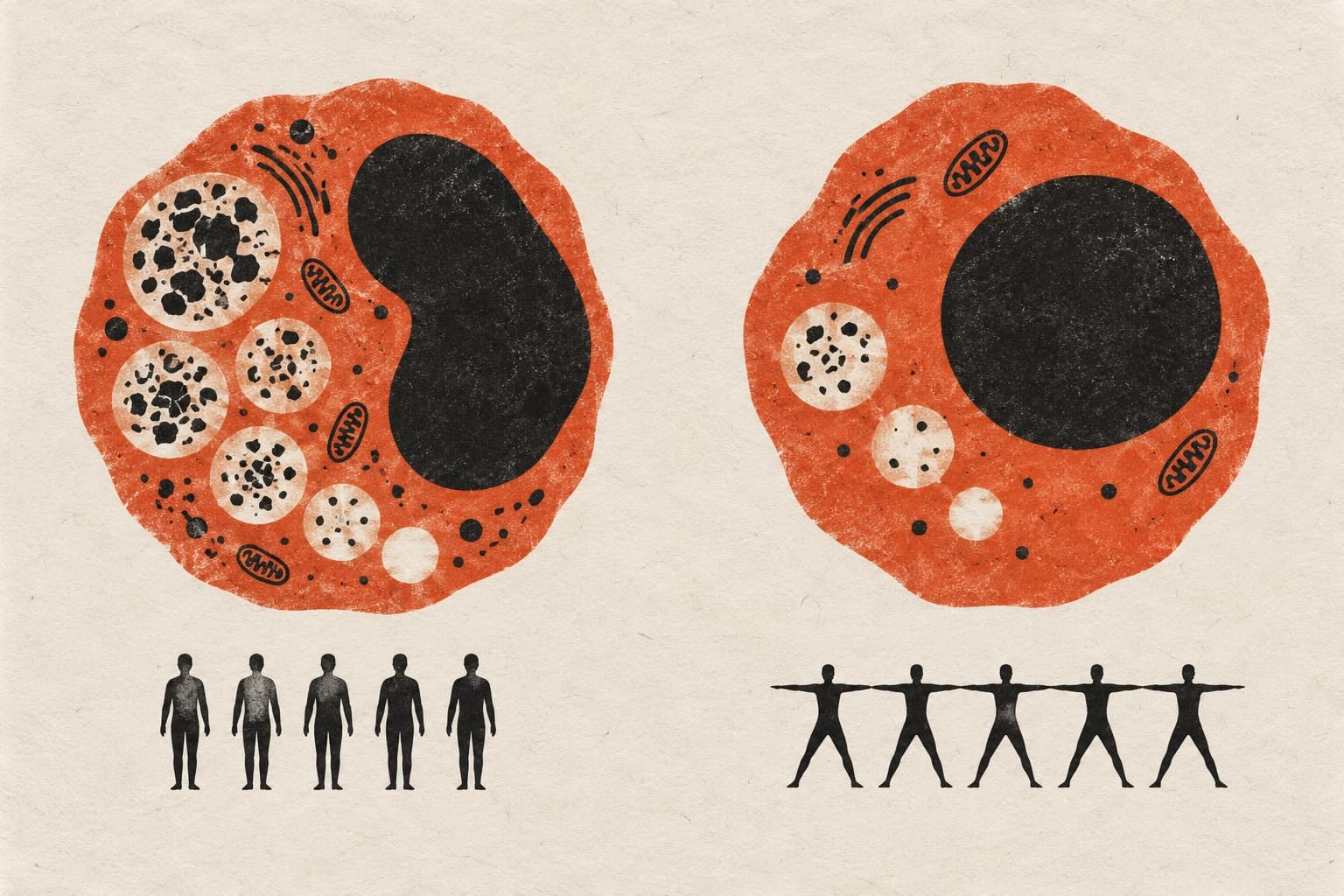
Mast-cell (MC) granules are secretory lysosomes whose function depends on a highly acidic lumen. We asked whether lysosomal pH drifts with age and whether this alteration is reversible. Lysosomal acidification was assessed by quinacrine imaging of peritoneal MCs, which revealed very low fluorescence in MCs from 2-month-old mice, consistent with immature granules. As MCs matured, quinacrine signal increased, reflecting expansion of the secretory lysosome pool; however, from 15 to 17 months, fluorescence progressively declined, indicating gradual deacidification. Chronic ketotifen treatment restored and amplified the quinacrine signal, enlarged granules, and reduced late-life MC expansion. Acute pharmacological assays revealed that ketotifen's effect requires V-ATPase activity and dynamin-dependent endocytosis. FM1-43 uptake confirmed enhanced endocytic activity with ketotifen. In the brain, ageing led to hypertrophy of toluidine blue-positive MCs without major changes in cell number; five months of ketotifen treatment reversed these morphometric alterations toward a youthful profile. These findings identify lysosomal deacidification as a hallmark of ageing MCs and demonstrate that ketotifen reacidifies secretory lysosomes via V-ATPase and endocytosis-dependent mechanisms, highlighting lysosomal pH control as a tractable strategy to mitigate MC-driven components of inflammaging.
The paper
Universidad de Sevilla
Biochemical and Biophysical Research Communications, 29 Oct 2025