Vitamin C in the modulation of skin aging: molecular mechanisms and innovative delivery strategies
Abstract
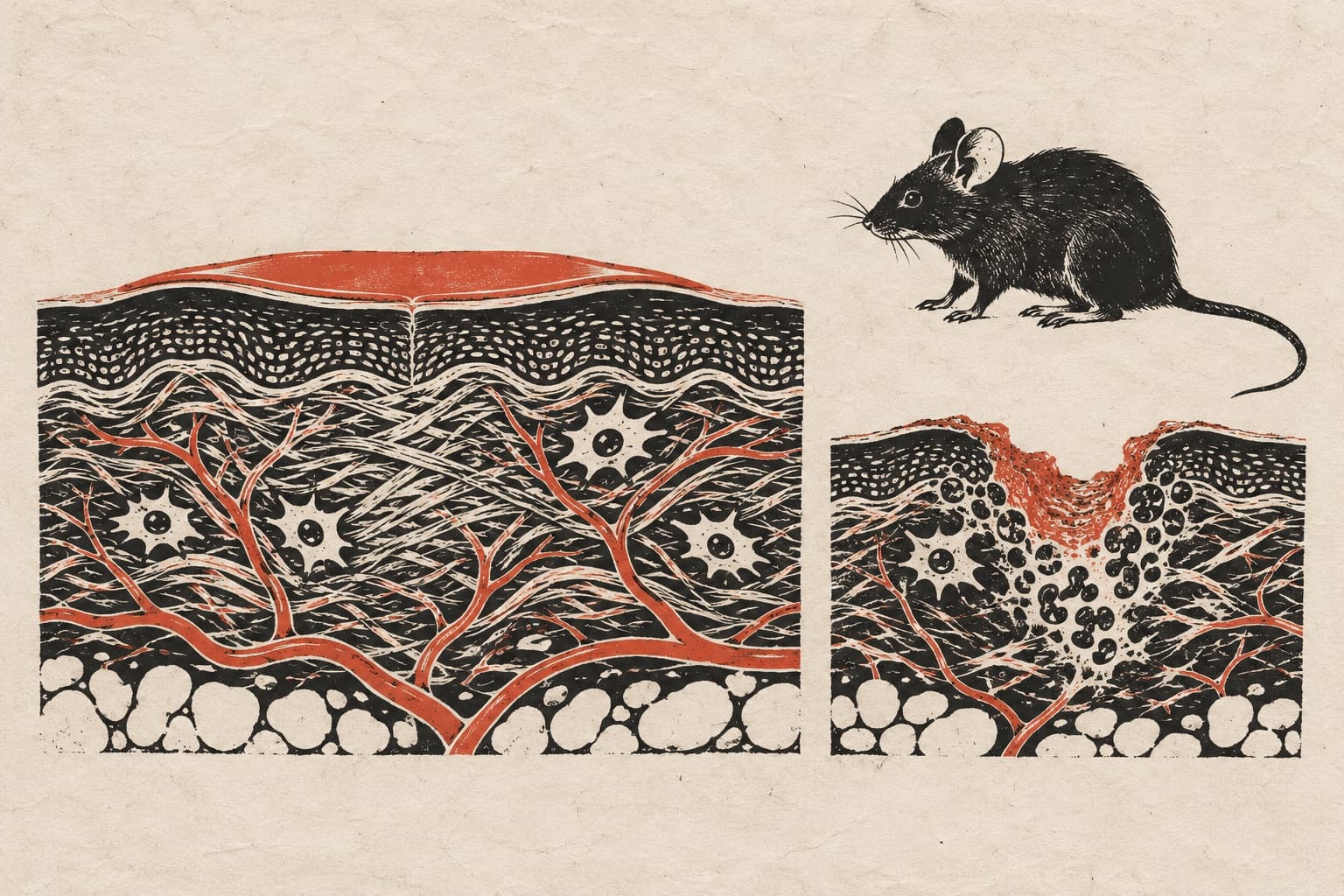
Vitamin C (ascorbic acid) is a key nutrient whose multifunctionality in anti-aging processes remains a subject of intensive research. The relevance of this study stems from the need to systematize data on its dual role (antioxidant/pro-oxidant), mechanisms of action on collagenogenesis, autophagy, melanogenesis, and epigenetic regulation, as well as the development of strategies to overcome its deficiency in the skin-an organ critically vulnerable to age-related and photo-induced changes. The article comprehensively analyzes the causes of localized vitamin C deficiency in cutaneous tissues, which does not correlate with systemic nutritional status, and proposes innovative solutions for its correction. It is demonstrated that reduced ascorbate levels in the dermis and epidermis are linked not only to UV-induced oxidative stress but also to age-related transport impairments exacerbated by the skin's structural barriers. Using mechanochemically synthesized complexes of hyaluronic acid with magnesium ascorbyl phosphate, the efficacy of intradermal delivery is highlighted, ensuring prolonged fibroblast stimulation and extracellular matrix remodeling. Particular attention is given to controversies in classifying vitamin C as an antioxidant: at physiological concentrations, it stabilizes lysosomal pH, enhancing autophagy, while pharmacological doses induce ROS-dependent apoptosis in tumor cells. The review underscores the necessity of personalized approaches in dermatocosmetology and gerontology, utilizing injectable modified ascorbate formulations. The findings hold practical significance for clinicians in developing protocols aimed at correcting age-related hyperpigmentation, stimulating neocollagenogenesis, and preventing aging.
The paper
«Martinex» International Research Center for Innovative Technologies
Advances in Gerontology, 1 Jan 2025