Carboxyl ester lipase truncation mutant unveils lipotoxicity induced pancreatic β-cell demise
Abstract
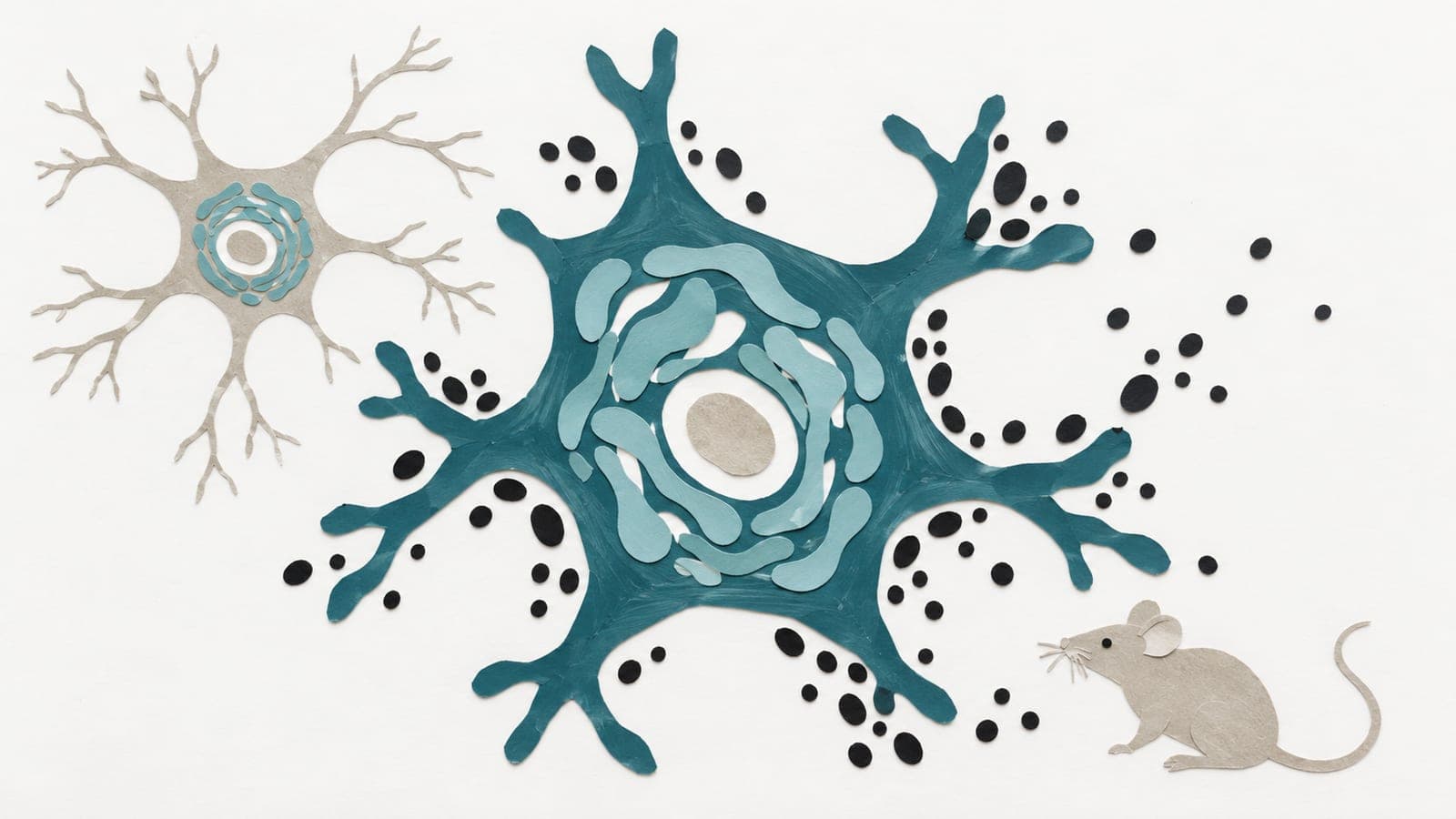
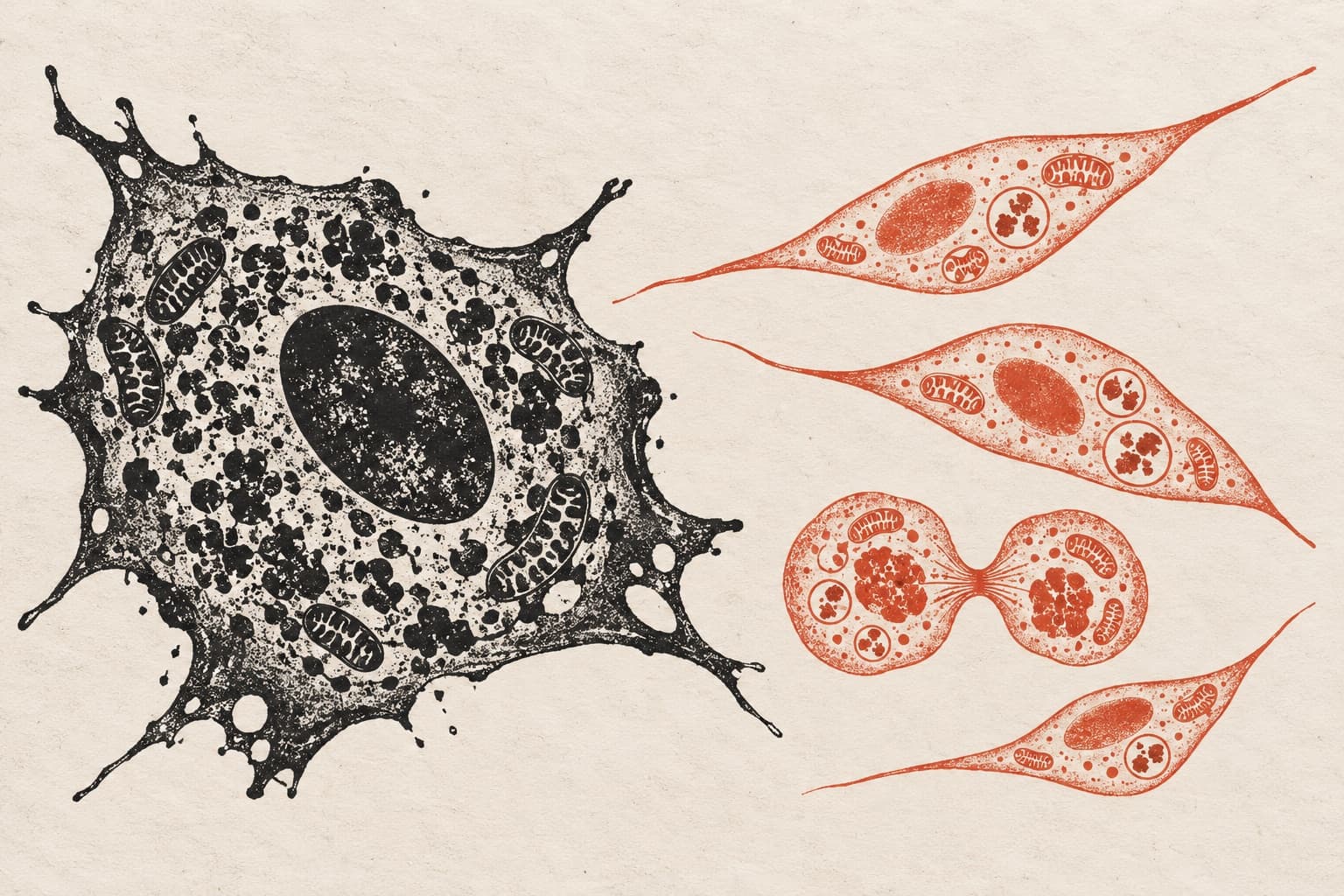
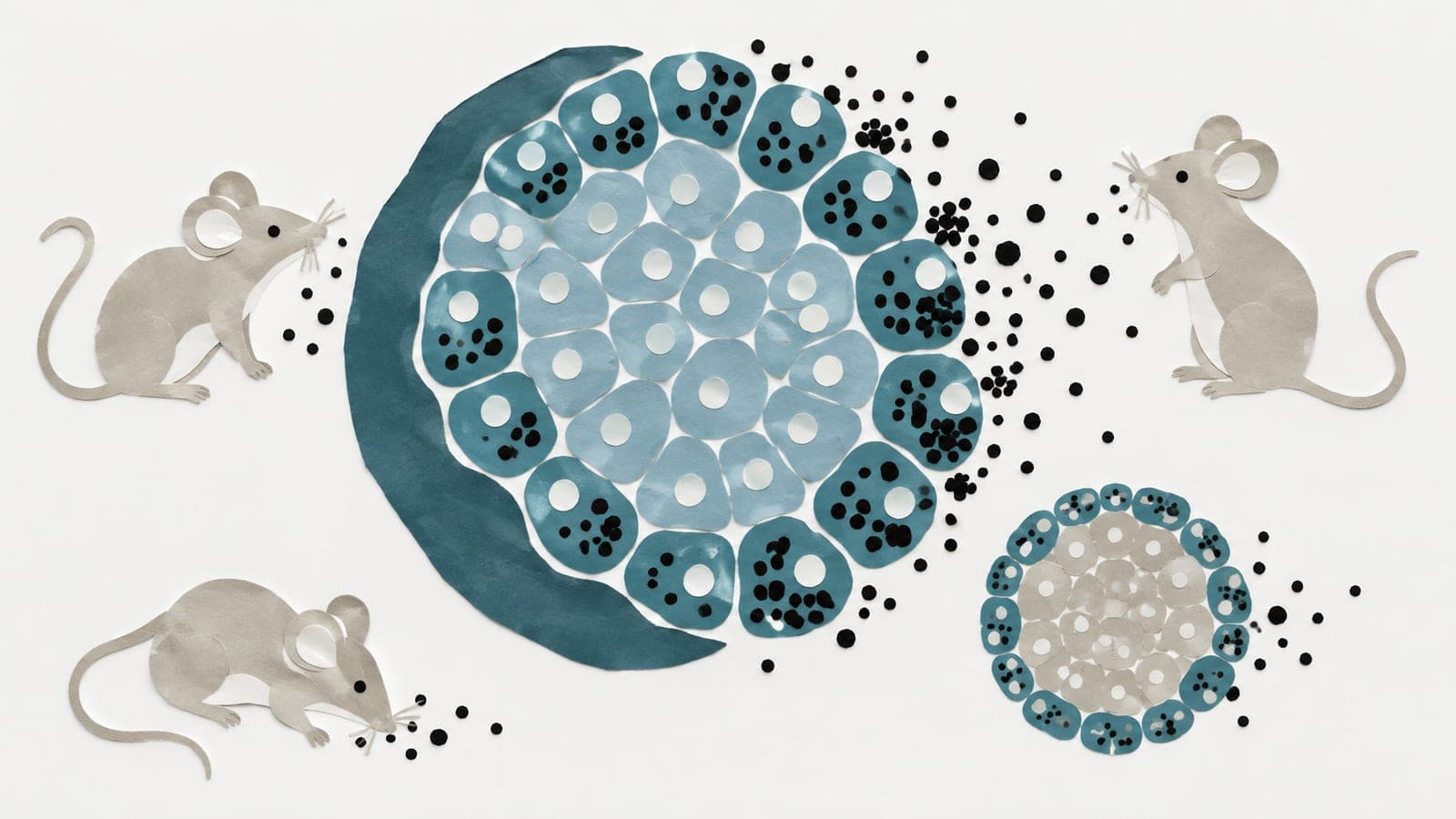
Mutations in carboxyl ester lipase (CEL) cause maturity-onset diabetes of the young type 8 (MODY8), yet the mechanism linking exocrine CEL deficiency to β-cell failure remains unclear. Here, we demonstrate that a truncating CEL mutant (MUT-CEL, c.538 + 16C > T) is aberrantly internalized by β-cells, where it forms cytotoxic aggregates that resist degradation. These aggregates induce endoplasmic reticulum stress, trigger a sustained unfolded protein response, and drive β-cells into a senescent state characterized by cell cycle arrest and loss of identity markers. Crucially, we identify cyclin-dependent kinase 4 (CDK4) dysfunction as a central mediator of this lipotoxicity induced senescence. Restoration of CDK4 activity rescues β-cell proliferation and function in vitro and in vivo, revealing a targetable pathway to mitigate β-cell demise in MODY8.
The paper
Fujian Medical University
Biochemical and Biophysical Research Communications, 17 Oct 2025
doi.org/10.1016/j.bbrc.2025.152800PubMed 41167005
Corrected, 5 Mar 2026