Genetic background shapes cell aging and diabetes in male mice
Male mice carrying the same diabetes-linked mutation developed diabetes on a mixed genetic background, but maintained normal blood sugar on another background.
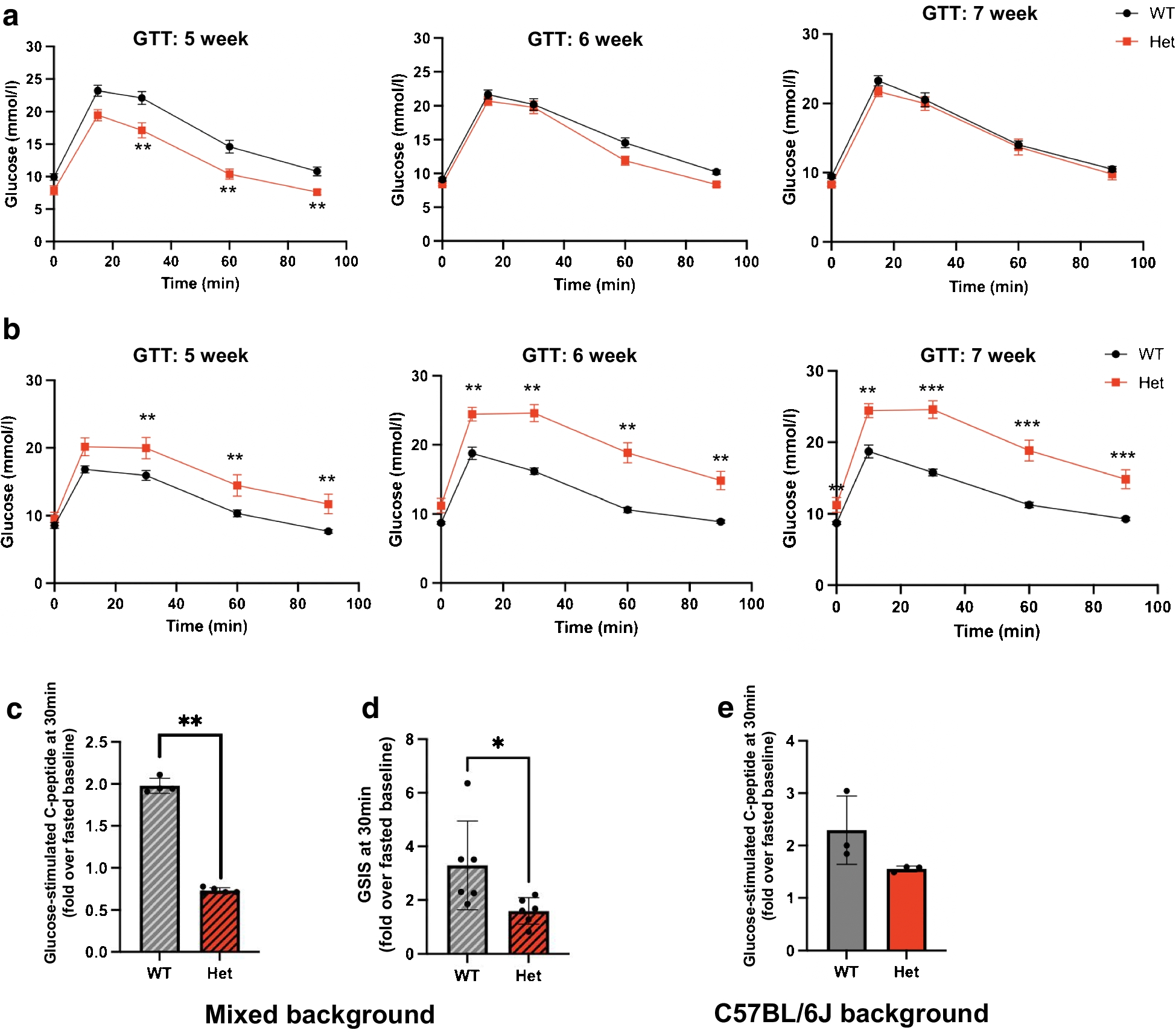
An animal experiment compared male mice carrying one copy of the same diabetes-linked mutation on two genetic backgrounds. The mutation changes MafA, a protein that controls gene activity in pancreatic cells. Researchers compared mice with a mixed C57BL/6J and SJL/J background with mice bred onto a C57BL/6J background.
The mixed-background mice developed diabetes and secreted insulin poorly. Their insulin-producing cells showed accelerated senescence, a state in which cells stop dividing. Breeding onto the C57BL/6J background prevented abnormal blood sugar and maintained insulin secretion comparable with control littermates. These mice also showed gene activity patterns related to cell aging and daily biological rhythms that were closer to normal.
Why it matters
This model of inherited diabetes offers a way to explore how daily biological rhythms and cell signalling contribute to the aging of insulin-producing cells.
Caveats
The findings came from an experiment in male mice with a specific diabetes-linked mutation. They do not show whether the same effects occur in females or people.
The paper
Genetic background modulates MafAS64F-mediated islet ageing in male mice
Vanderbilt University Medical Center
Diabetologia, 11 Oct 2026