Emerging roles of High Mobility Group A (HMGA) family members in nuclear organization
Abstract
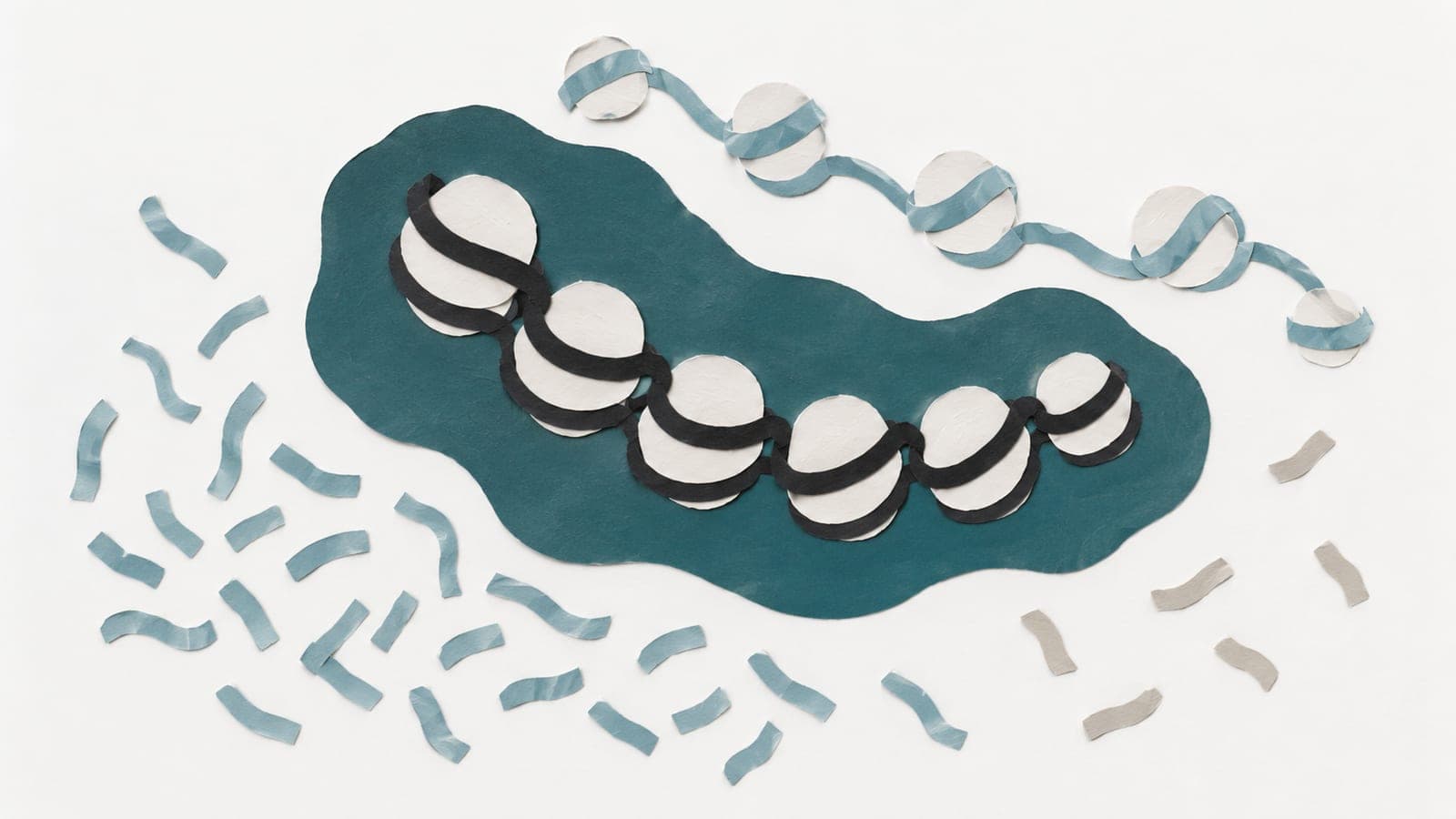
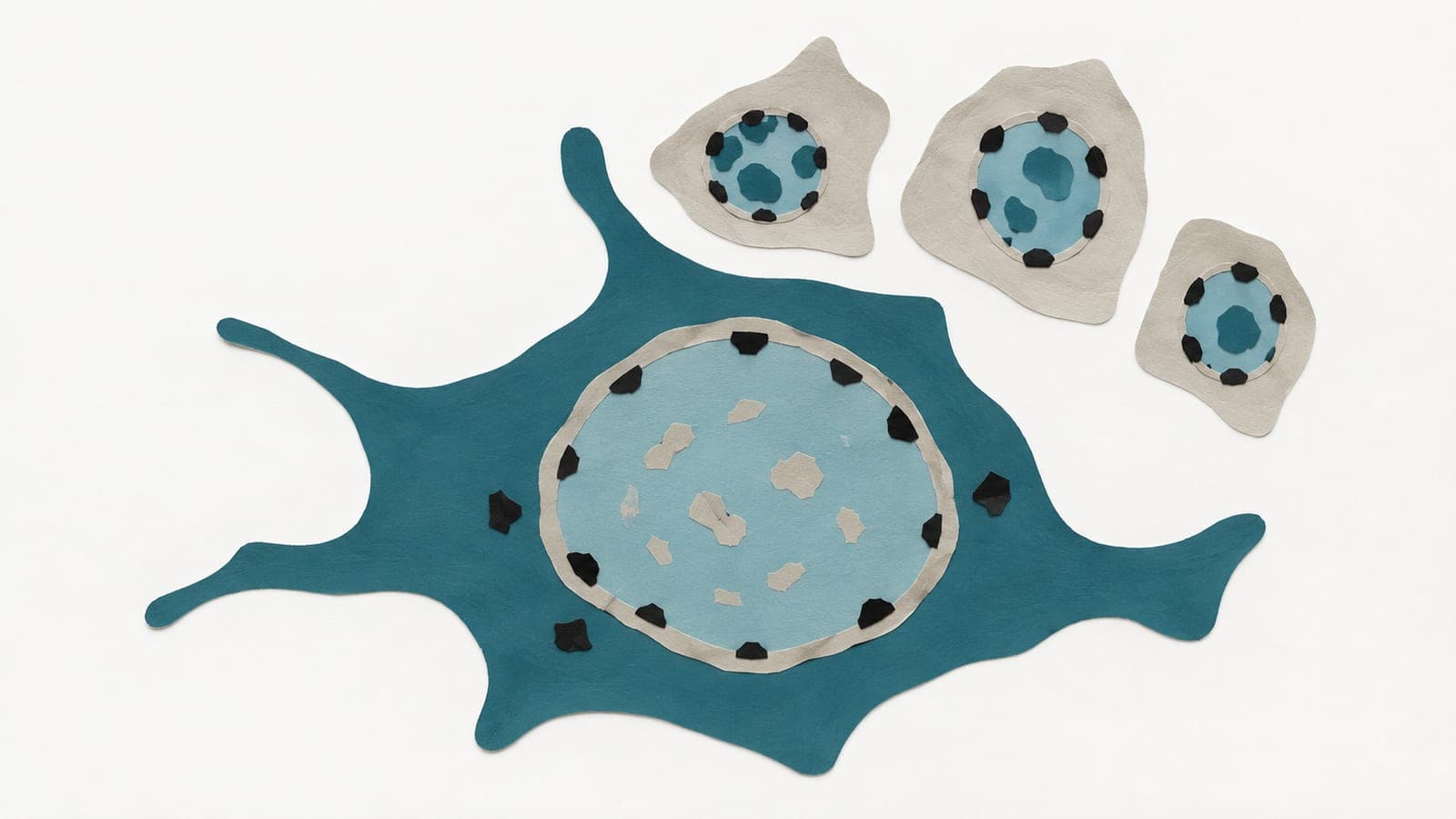
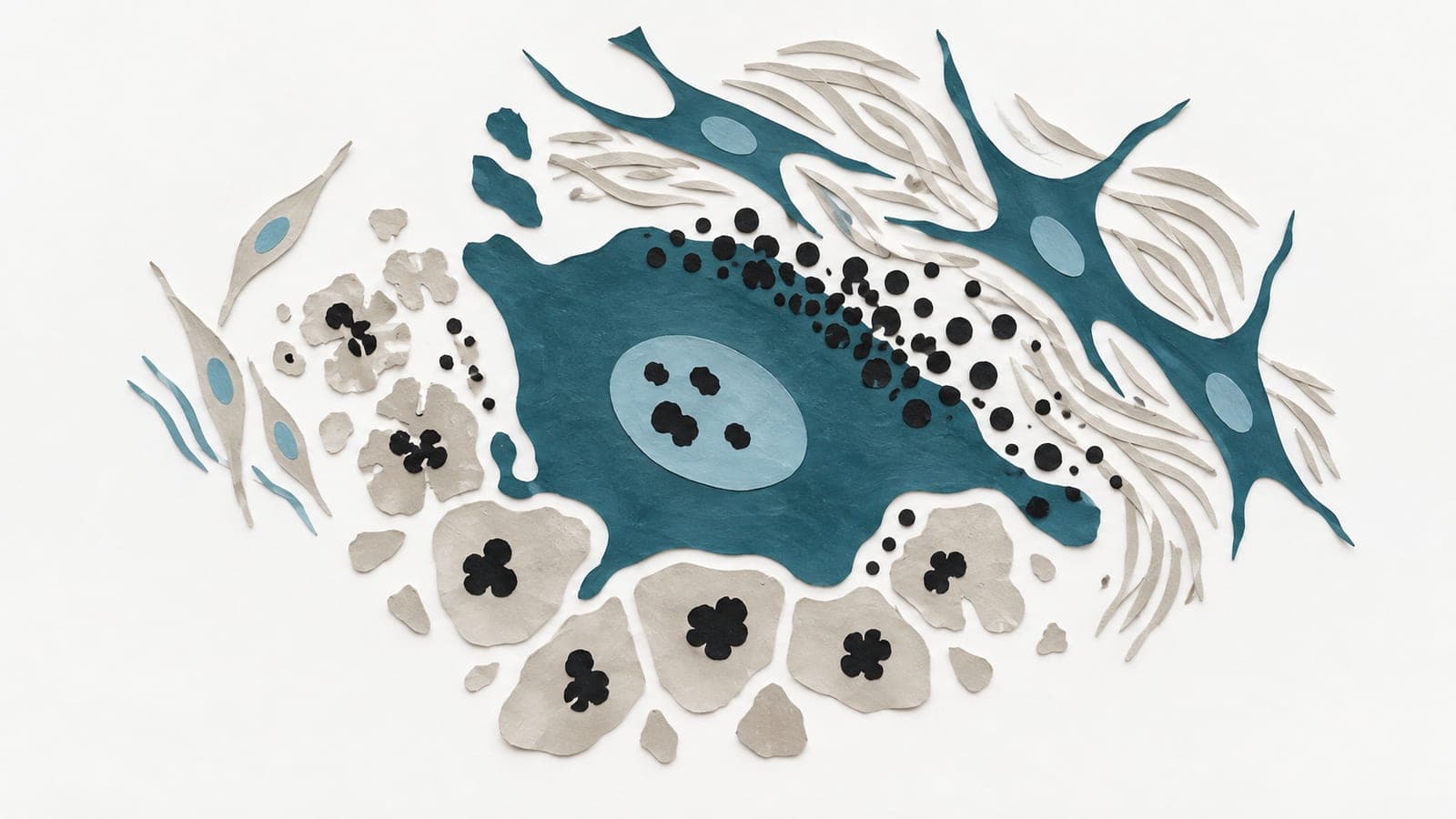
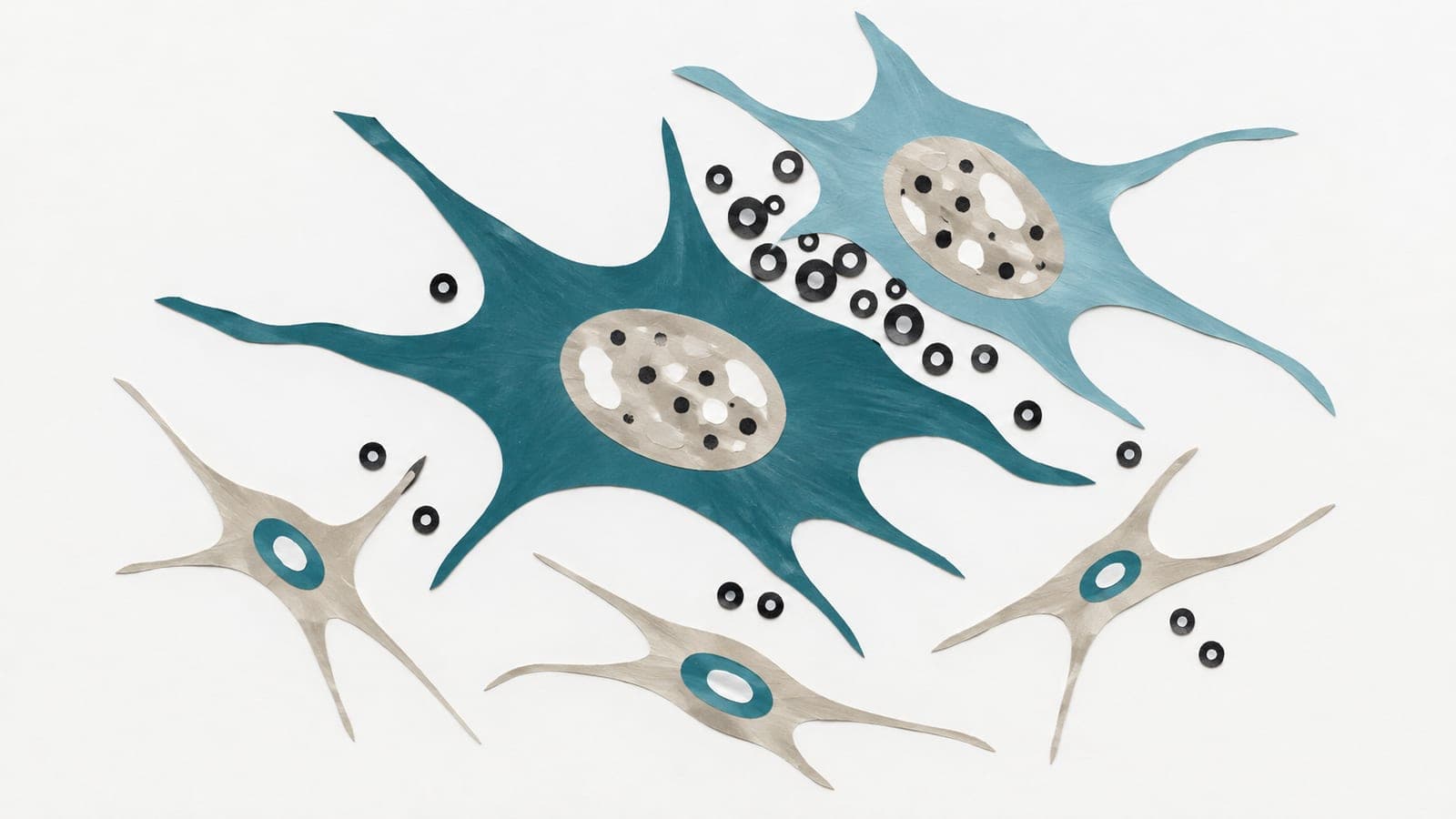
Chromatin remodeling plays a crucial role in gene expression. Chromatin architecture is governed by the interaction of a variety of proteins and transcription factors, including histones and non-histone chromatin-binding factors. Non-histone proteins, such as high mobility group-associated proteins High Mobility Group A (HMGA), are key players in this process. They do not have transcriptional activity per se but comprise flexible intrinsically disordered proteins (IDP) that interact with nucleosomes to change the compaction of chromatin at enhancers and promoters, thereby modulating the process of transcription. HMGA proteins have attained significant attention for their role in the regulation of gene expression during development, cell differentiation and in cellular senescence. Their molecular interactions are controlled by posttranslational modifications which determine nucleoprotein complex formation and function. This review highlights the role of HMGA proteins in nuclear organization, at telomeres and centromere regions and in senescence-associated heterochromatin foci and links these spatiotemporal chromatin architectural functions to the molecular domain structure of HMGA proteins in fine-tuning dynamic chromatin states.
- Cellular senescence
- Chromatin and 3D genome organisation
- Telomerase and telomere maintenance
- Chromatin
- Telomere
The paper
University of Manitoba; Children's Hospital Research Institute of Manitoba
Biochemistry and Cell Biology, 1 Jan 2025