Interrogation of the cellular hierarchies reveals neoplastic evolution and therapeutic vulnerability in craniopharyngioma
Abstract
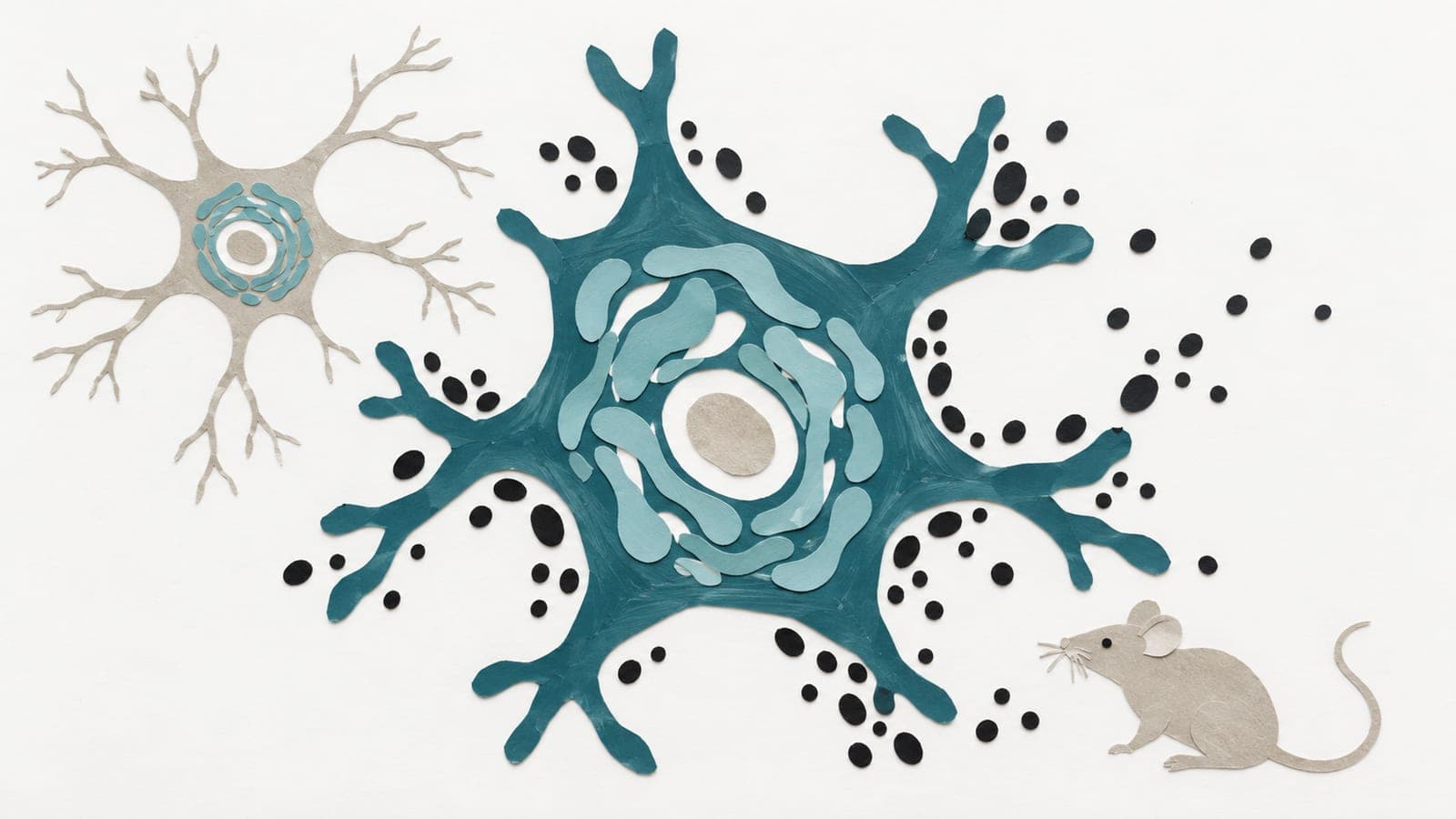
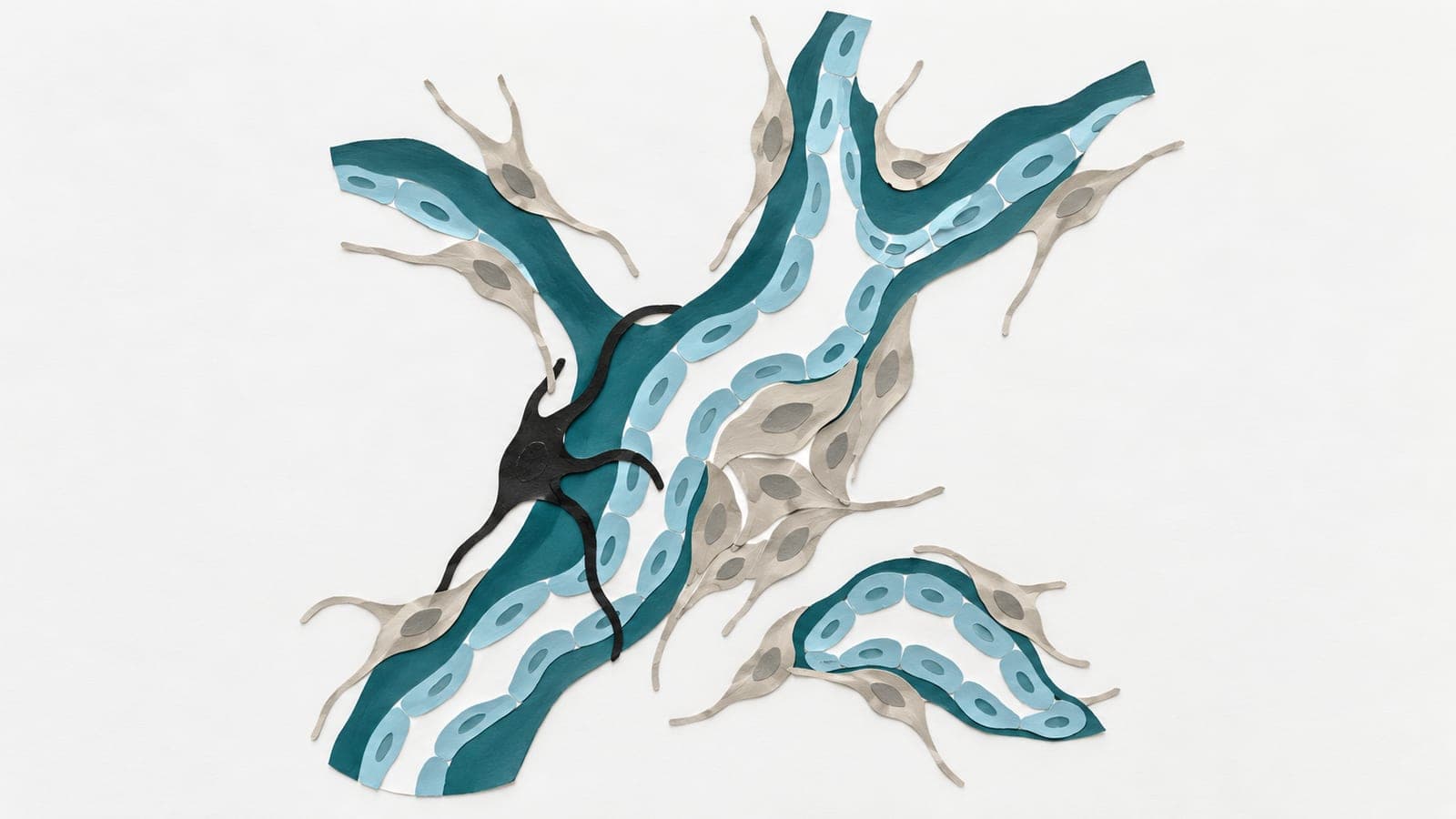
BACKGROUND: Craniopharyngioma presents malignant clinical manifestations with severe symptoms and higher incidence of hypothalamic dysfunction. The pathogenesis of craniopharyngioma remains unclear, which impedes the development of effective treatments and preventive measures. Comprehensively understanding the neoplastic programming and tumoral evolution may contribute to the improvement of prognosis for craniopharyngioma. METHODS: Using the single cell RNA-sequencing and high-resolution spatial transcriptomics analysis on adamantinomatous craniopharyngioma (ACP), papillary craniopharyngioma (PCP), and Rathke cleft cyst (RCC) to depict the cellular hierarchies and neoplastic evolution. Multiplex immunohistochemistry and ex vivo pituitary culture from animal model were used to identify the putative therapeutic targets. RESULTS: Cellular hierarchy analysis uncovered a more inflammatory tumor microenvironment in PCP compared to ACP. Parallel genomic variation and gene expression patterns were revealed between PCP and RCC, suggesting a continuum of the same disease spectrum that evolutes from RCC to PCP. Furthermore, we identified the disease-type-unique structures composed of various cellular states, including the tumoral progenitors surrounding the fibrovascular cores in PCP and senescence associated secretory phenotype (SASP)-related cellular hierarchy in ACP, respectively. In addition, SASP-related fibroblast growth factor (FGF) signaling was identified as a potential therapeutic target for ACP and inhibition of it led to decreased tumor cell proliferation in murine model. CONCLUSIONS: Our study reveals the neoplastic programming and evolution of craniopharyngioma at single cell and spatial levels. Notably, SASP-related FGF signaling is identified as a potential therapeutic target for ACP and inhibition of it reduces tumor cell proliferation in murine model.