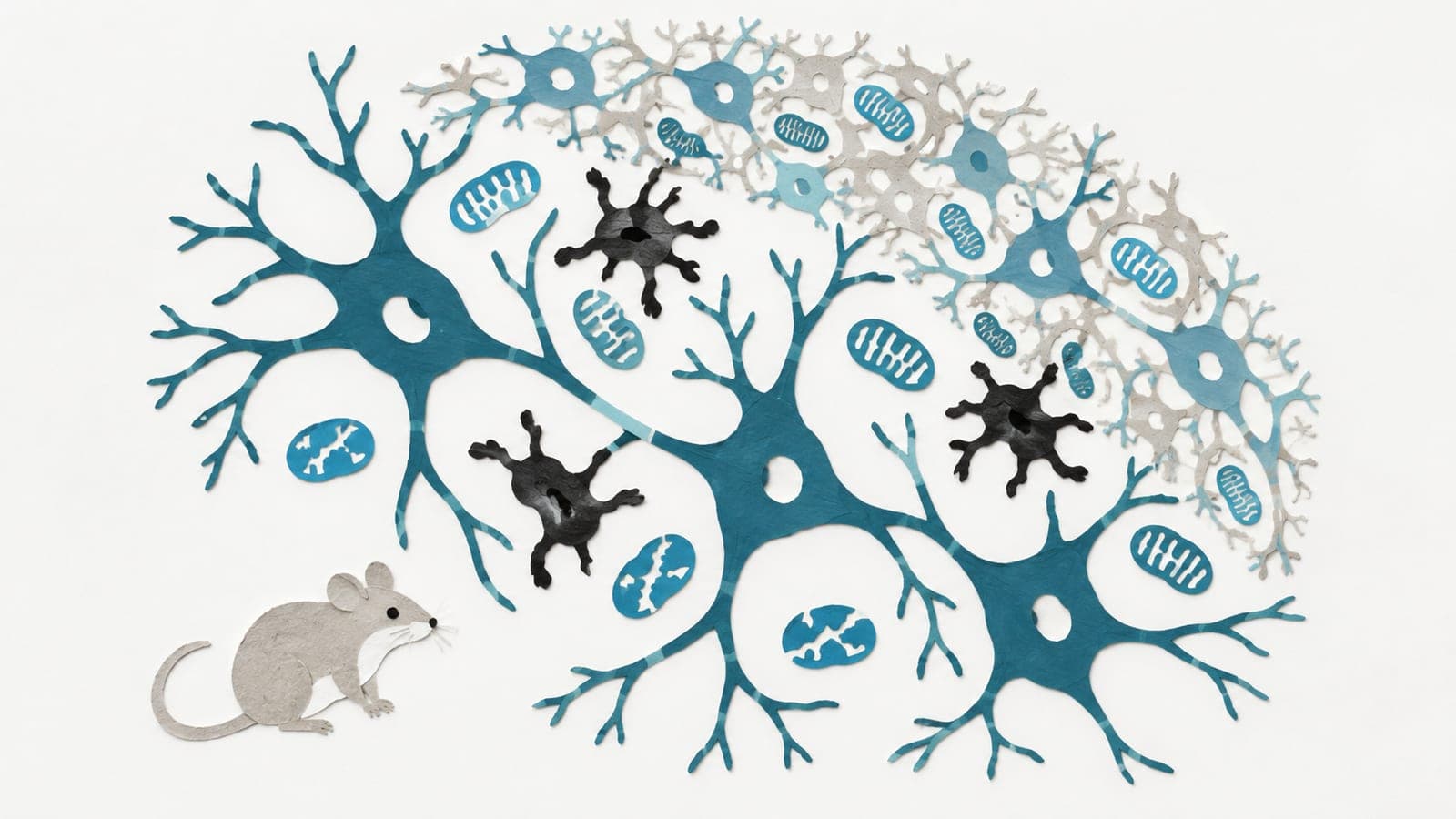
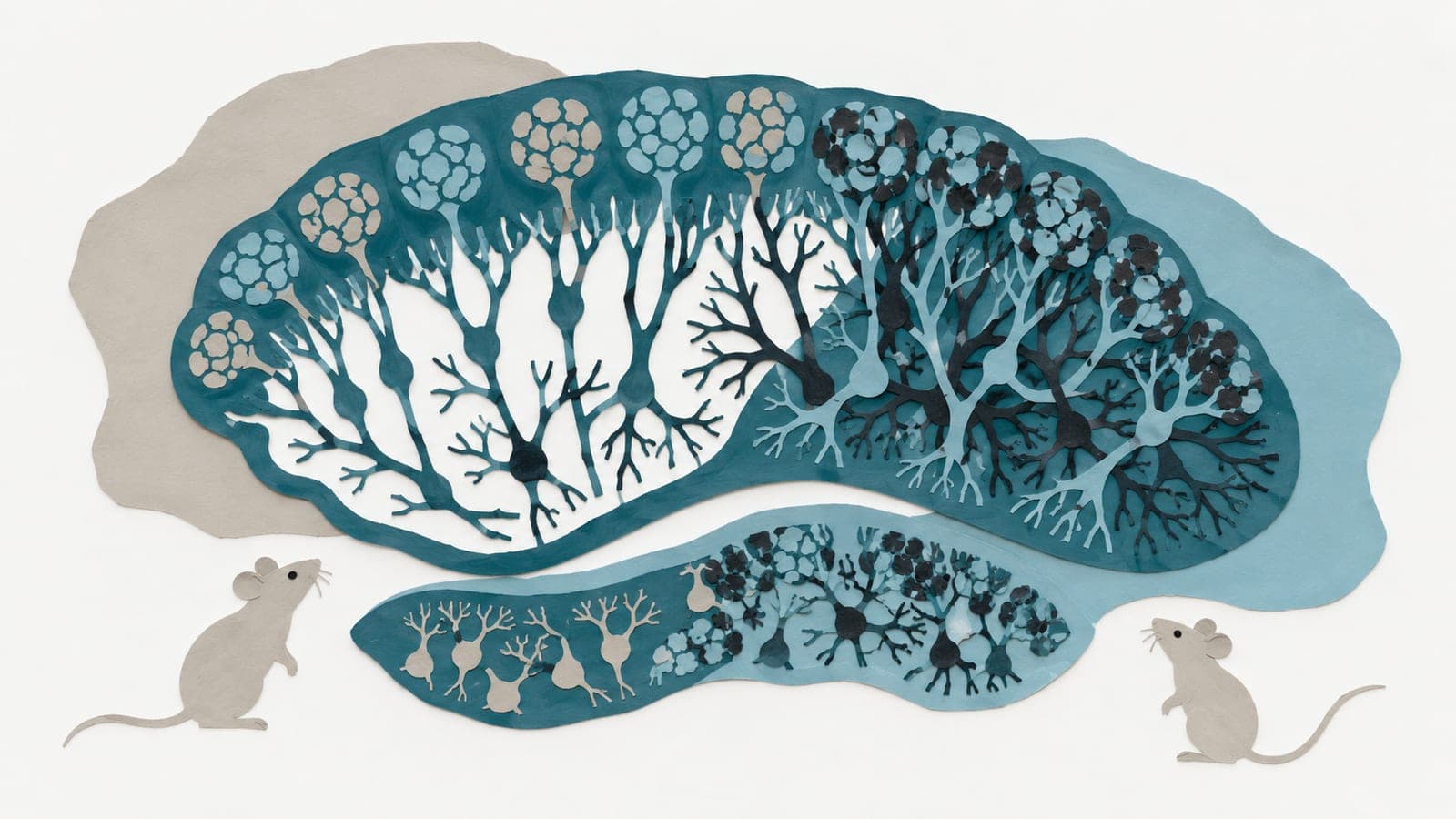
APOE ε4 disrupts neuronal and network-level function in the anterior olfactory nucleus: Influence of age and sex
Abstract
INTRODUCTION: Apolipoprotein E (APOE) ε4 is the strongest genetic risk factor for sporadic Alzheimer's disease (AD), which features early olfactory dysfunction and pathology. However, how APOE ε4 interacts with age and sex to affect cellular and network function in vulnerable regions such as the anterior olfactory nucleus (AON) remains unclear. METHODS: In vivo recordings in awake transgenic mice were used to assess how APOE ε4, age, and sex interact to influence single-cell excitability and network activity. RESULTS: APOE ε4 reduces excitability in the AON; adult females show higher excitability than males, a difference that is lost with age. Excitability and network activity vary by genotype and sex, while aging consistently increases network power, underscoring their complex interplay in an AD-vulnerable circuit. DISCUSSION: APOE ε4, age, and sex interact to shape excitability and network dynamics in the anterior olfactory nucleus, a region affected early in AD. These actions may underlie early olfactory dysfunction and offer electrophysiological markers for early detection and genotype-, age-, and sex-specific interventions. HIGHLIGHTS: This is the first study on the interactive impact of three Alzheimer's disease risk factors on anterior olfactory nucleus neural functions. Apolipoprotein E ε4 reduces neuronal excitability regardless of age and sex. Females show higher excitability than males in the adult group but not in aged group. Age increases excitability in a genotype-dependent manner. Network oscillations vary by genotype and sex but are consistently enhanced by age.