NAD⁺-Dependent Lysine Acetylation Regulates Glucose Uptake and Fatty Acid Oxidation in Cardiomyocytes
Abstract
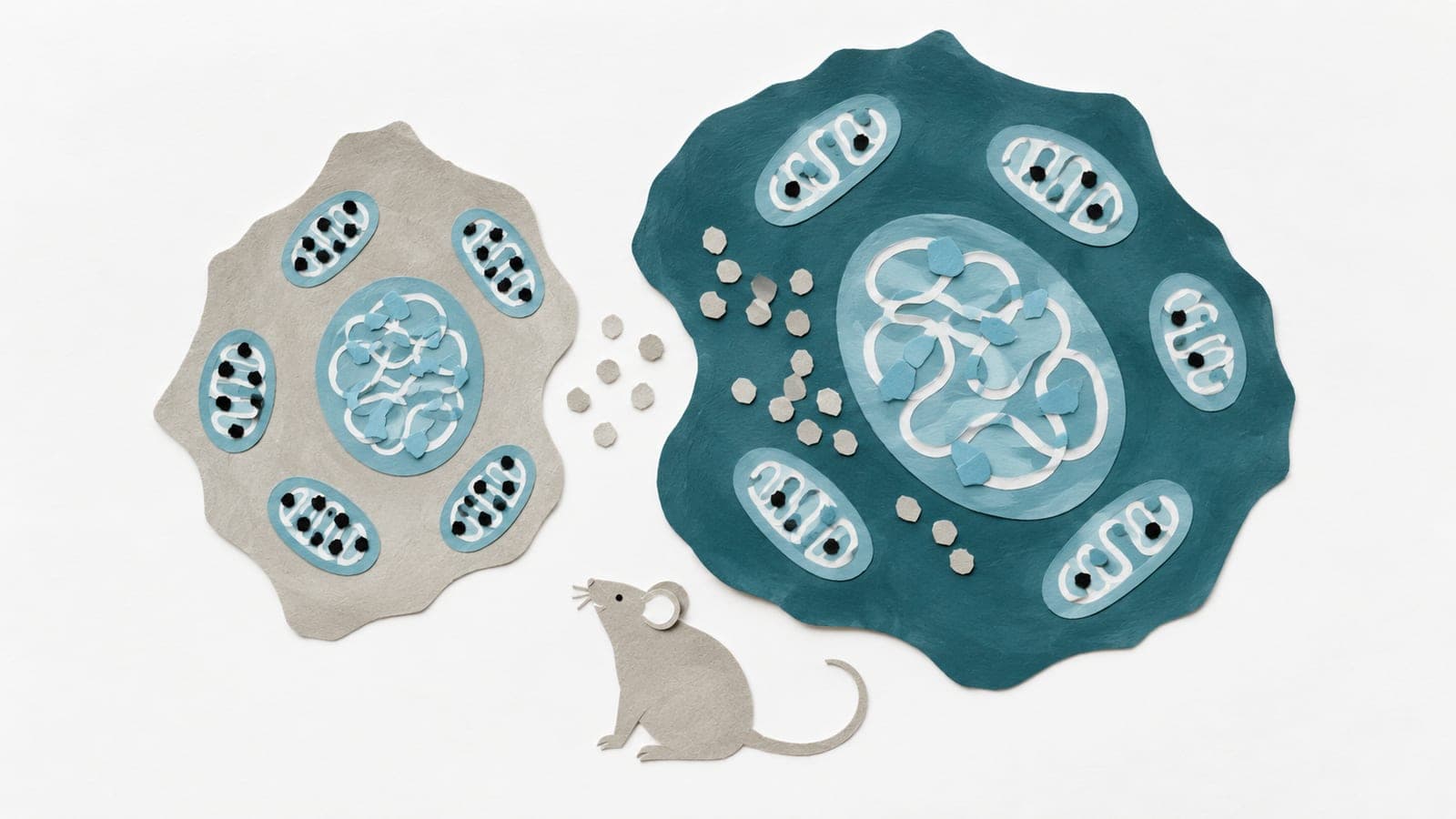
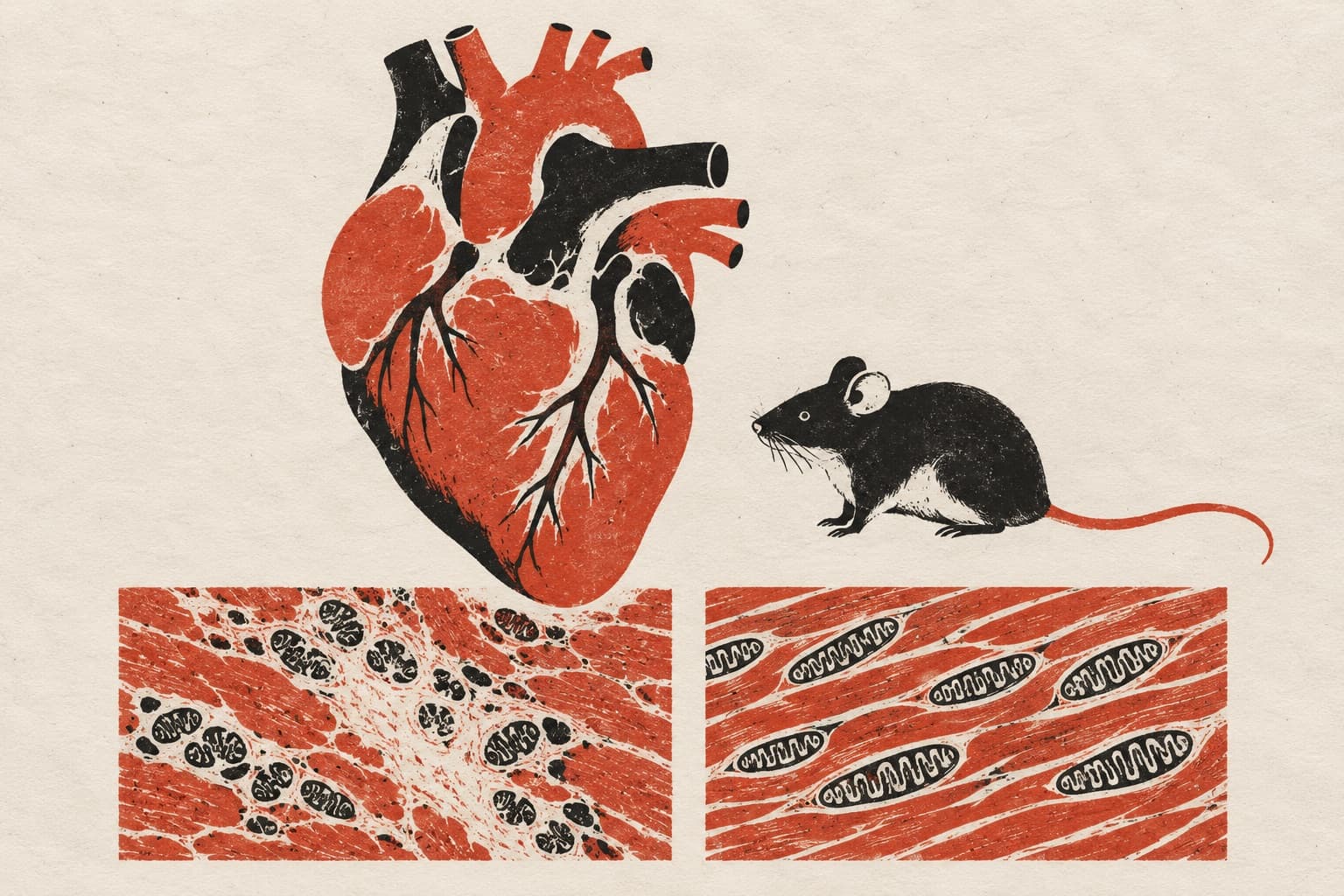
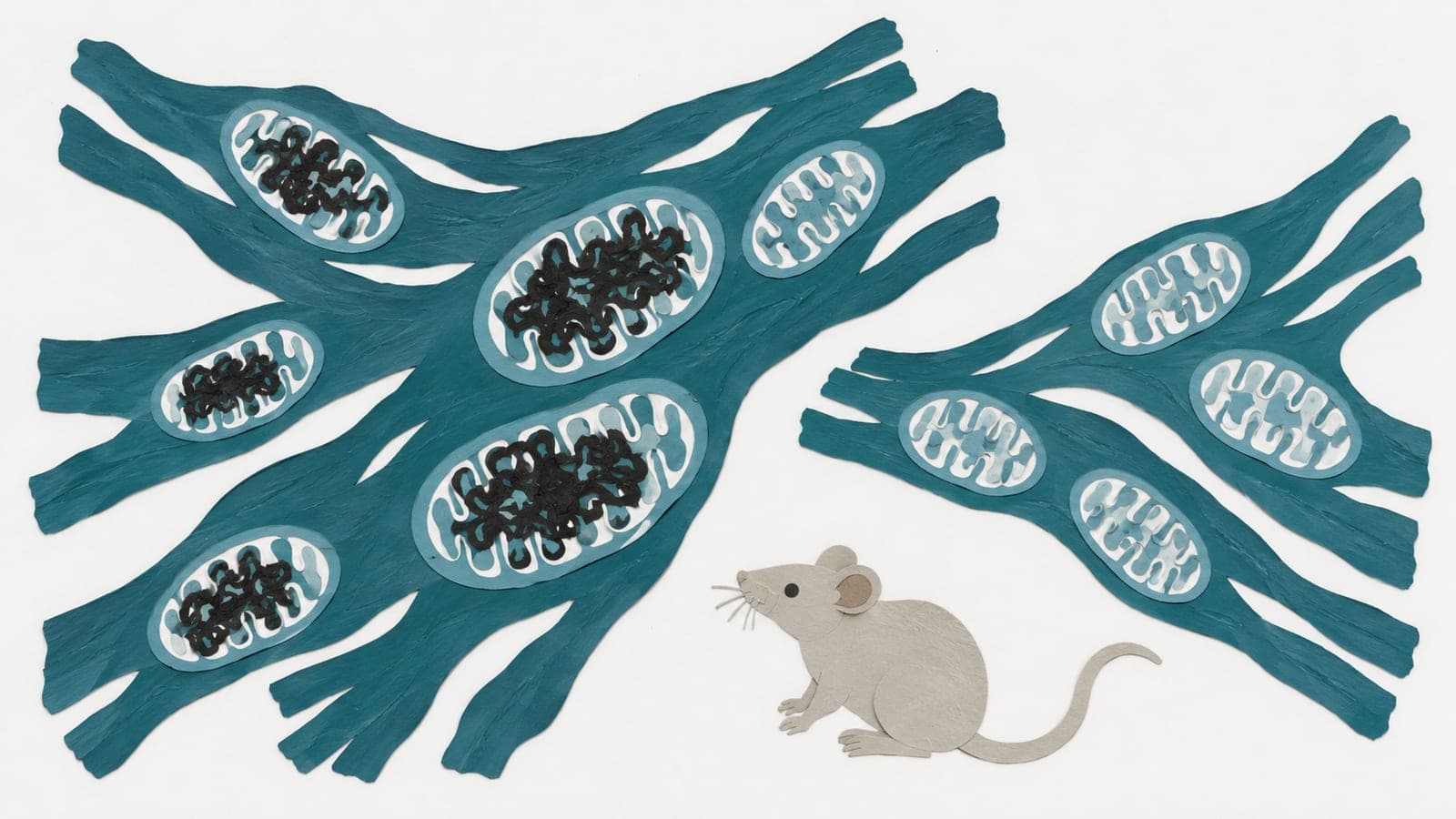
BACKGROUND/OBJECTIVES: Stimulation of glucose uptake in response to ischemic stress is important for cardiomyocyte post-ischemic function and survival. In the diabetic myocardium chronically exposed to an excess of circulating lipids, this mechanism is impaired, making the myocardium more sensitive to ischemia-reperfusion injury (IRI). In vitro studies have shown that exposure to fatty acids (FAs) reduces basal and stimulated glucose uptake in cardiomyocytes. Preliminary results indicate reduced NAD⁺ levels and increased protein lysine acetylation in FA-exposed cardiomyocytes. This study aims to investigate whether intracellular NAD⁺ reduction is responsible for FA-induced increase in protein acetylation and impaired glucose uptake. METHODS: Primary rat cardiomyocytes were chronically treated with the sirtuin deacetylase inhibitor nicotinamide (NAM) in absence of FAs to induce protein acetylation. Conversely, we replenished NAD⁺ concentration using nicotinamide riboside (NR) to induce protein deacetylation in FA-exposed cardiomyocytes. RESULTS: Similar to FA exposure, NAM treatment increased protein acetylation and impaired metabolic-stress-stimulated glucose uptake in cardiomyocytes. In contrast, NR supplementation reduced protein acetylation and improved metabolic-stress-stimulated glucose uptake in FA-exposed cardiomyocytes. Neither NAM nor NR influenced insulin-stimulated glucose uptake. Both NAM and FAs induced hydroxyacyl-CoA dehydrogenase trifunctional enzyme subunit α (HADHA) acetylation on lysine residues K¹⁶⁶ and K²¹⁴ and enhanced palmitate oxidation. Conversely, NR treatment induced HADHA deacetylation and reduced palmitate uptake and oxidation in FA-exposed cardiomyocytes. CONCLUSIONS: In cardiomyocytes, protein hyperacetylation, resulting from either FA exposure or sirtuin inhibition, impairs metabolic-stress-stimulated glucose uptake and is associated with increased FA oxidation.
The paper
UCLouvain; University of Geneva
Metabolites, 23 Sep 2025