Intermuscular adipose tissue in healthy human aging-effects of exercise training and implications to metabolic health
12 weeks
Abstract
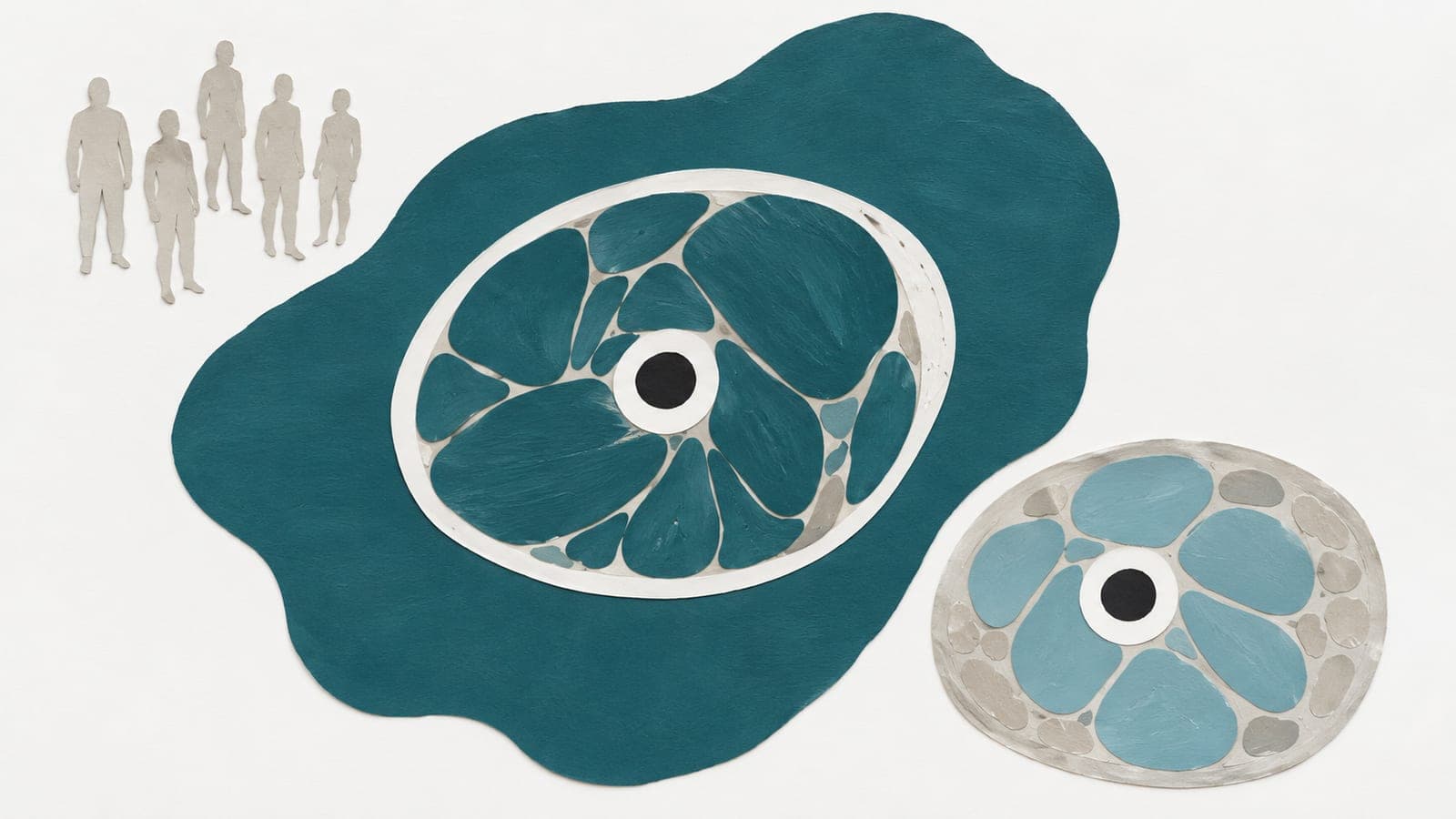
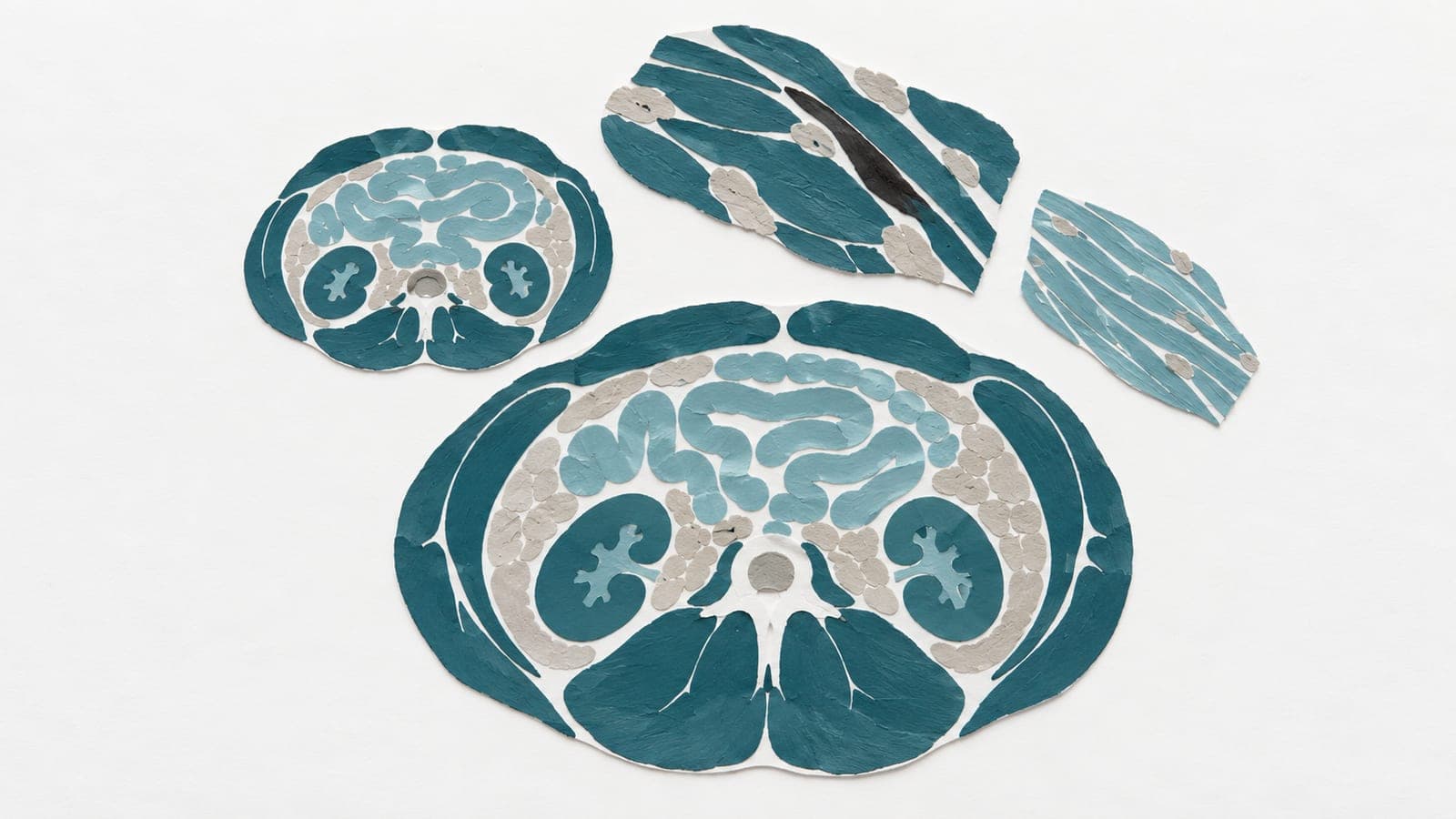
Intermuscular adipose tissue (IMAT) is an anatomically distinct depot that is associated with metabolic dysfunction and aging. IMAT decreases with exercise in older adults with obesity, but less is known about how exercise influences IMAT in healthy, nonobese older adults in relation to insulin sensitivity. The purpose of this study was to determine whether lower leg IMAT accumulates in healthy older adults in the absence of obesity, diabetes, or frailty and its relationship to insulin sensitivity. We also determined the influence of exercise training on lower leg IMAT. Twenty-nine young (25.0 ± 3.8 yr) and 22 older (76.0 ± 5.0 yr) adults underwent MRI-based measurements of lower leg IMAT and insulin sensitivity measurements by hyperinsulinemic euglycemic clamp before and after 12 wk of exercise training. IMAT was higher in older compared with young adults (2,512 ± 1,178 mm³ vs. 4,492 ± 2,025 mm³; P < 0.0001). The glucose infusion rate (GIR) during hyperinsulinemia was similar in young and older adults [14.4 ± 2.8 mg/kg fat-free mass (FFM)/min vs. 13.3 ± 4.4 mg/kg FFM/min; P = 0.31), but negatively associated with IMAT (r = -0.43; P = 0.002), particularly in older adults (r = -0.55; P = 0.01). Exercise training reduced IMAT in young (P = 0.04) but not older adults. GIR increased in response to exercise but dissociated from changes in IMAT. These data demonstrate that lower leg IMAT accumulated even in healthy aging, and although IMAT may have metabolic implications, the metabolic improvements with exercise training appear to be independent of lower leg IMAT in this population of older adults.NEW & NOTEWORTHY Intermuscular adipose tissue (IMAT) accumulates in the lower leg musculature of healthy older adults. IMAT was negatively associated with the rate of glucose infusion during a hyperinsulinemic-euglycemic clamp and muscle oxidative capacity. Exercise training decreased IMAT to a greater extent in young compared with older adults. Together these data support the implication that IMAT accumulation is linked with metabolic derangements in older adults but the restorative potential of exercise in older adults needs further evaluation.
- Exercise
- Insulin/IGF-1 signalling
- Lipid and ceramide metabolism
- Intermuscular adipose tissue
- Glucose infusion rate
- Humans
The paper
Mayo Clinic
Journal of Applied Physiology, 20 Oct 2025, Open access