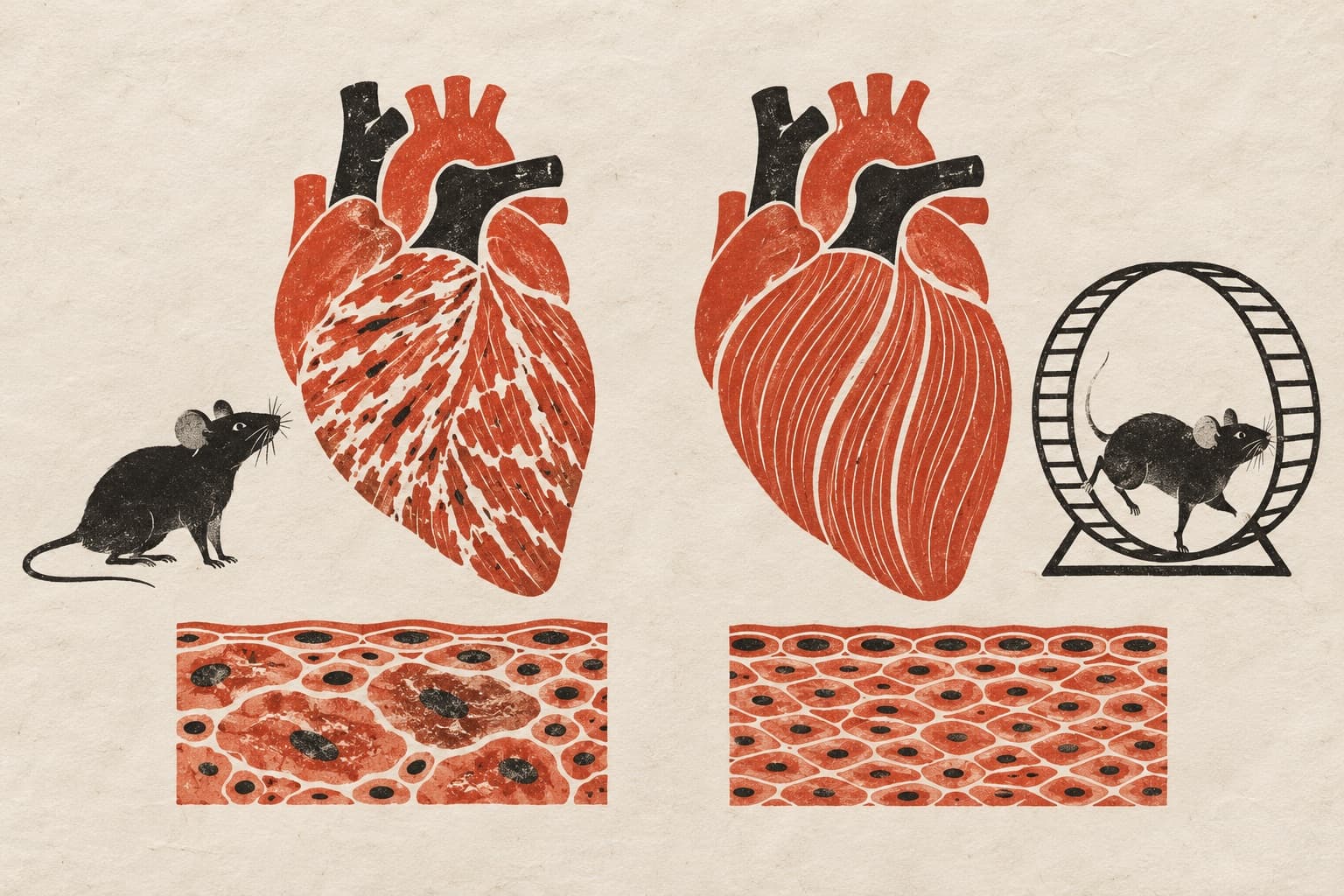
Exercise linked to reduced epicardial fat in older adults
In a randomized trial, epicardial adipose volume fell by 15.15 mL more with exercise than in controls over 12 months.
Frontiers in Public Health
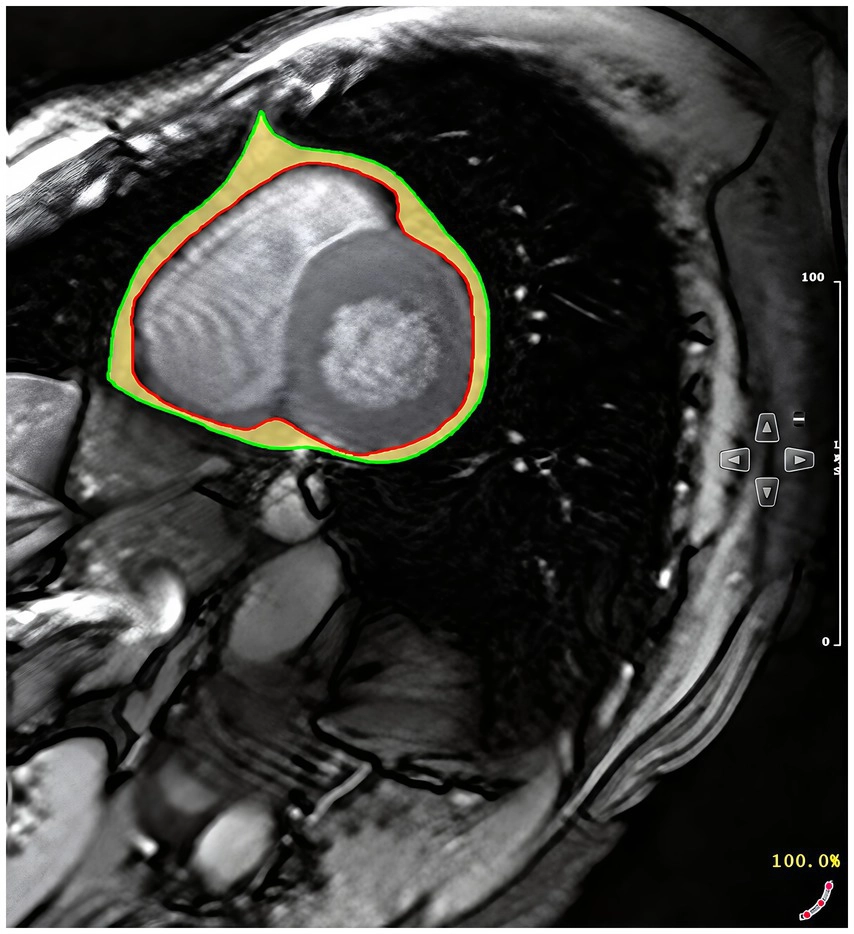
In a randomized controlled trial of 156 community-dwelling older adults aged 60 and older, a 12-month structured exercise program was associated with reduced epicardial adipose volume and lower serum macrophage colony-stimulating factor (M-CSF). Participants were assigned to either a control group receiving health education only or an exercise group completing one supervised center-based session plus at least two home-based sessions weekly.
A total of 118 participants completed the 12-month trial. The absolute change in epicardial adipose volume differed between groups, showing a reduction of 15.15 mL in the exercise group relative to controls. Each additional weekly exercise session was associated with a 3.156 mL greater reduction in heart fat volume. After adjusting for baseline levels, circulating M-CSF fell by 1.75 pg/mL more in the exercise group than in controls, while other measured pro-inflammatory factors showed no significant difference.
Why it matters
Accumulation of epicardial adipose tissue and chronic low-grade inflammation are linked to heightened cardiometabolic risk during aging. These findings suggest that regular exercise may help mitigate cardiac adiposity and modulate specific circulating inflammatory markers in older populations.
Caveats
The analysis was limited to the 118 participants who completed the 12-month follow-up out of 156 originally randomized. The study was conducted at a single center, and only one of the measured circulating pro-inflammatory cytokines showed a significant between-group difference.
The paper
Fujian Medical University · Fujian University of Traditional Chinese Medicine
Frontiers in Public Health · 16 Sep 2026