Photobiomodulation enhances cognitive function in aging rats and modulates cytochrome c oxidase activity and c-Fos expression in memory-related circuits
Abstract
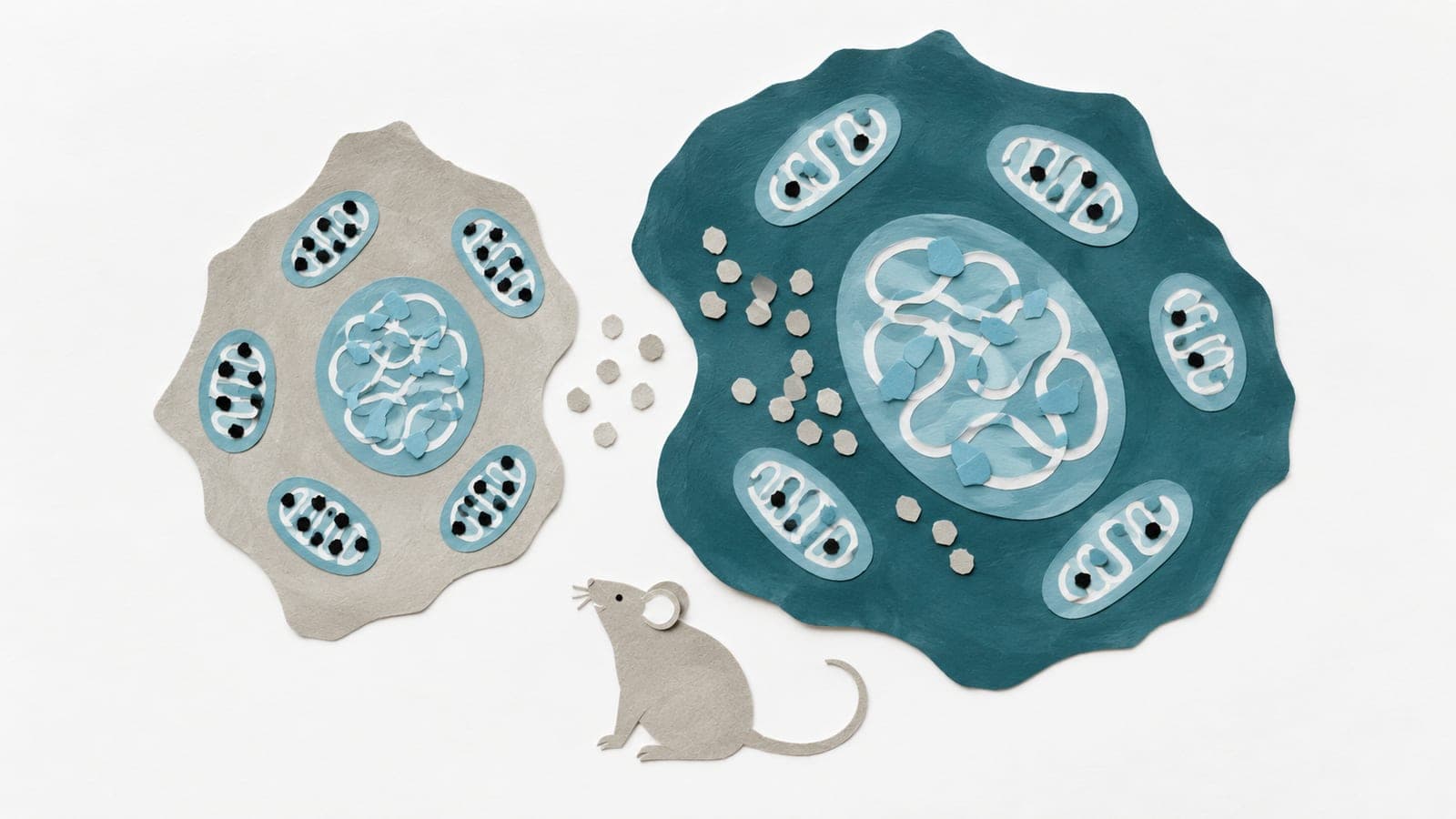
Aging is marked by a progressive decline in cognitive and behavioral functions, underscoring the need for innovative therapeutic strategies. Photobiomodulation (PBM) therapy has emerged as a non-invasive technique that enhances mitochondrial function and supports neural plasticity. In this study, 9-month-old Wistar rats received automatic transcranial PBM over the prefrontal cortex for 11 consecutive days (12 min/day, 810 nm). Behavioral assessments included anxiety-like behavior, motor activity, spatial memory, and cognitive flexibility. Neurobiological analyses focused on cytochrome c oxidase (CCO) activity and c-Fos expression across the limbic system. The PBM group demonstrated improvements in spatial memory with significant enhancements in cognitive flexibility. No significant differences were observed in anxiety-like behavior or locomotor activity. At the neurobiological level, PBM induced a reduction in CCO activity across several regions of the limbic-cortical network, including the prefrontal cortex, septum, CA1 and CA3 hippocampal subfields, and lateral mammillary nuclei, which are areas implicated in memory and executive functions. Additionally, an increase in c-Fos expression was detected in the dorsal dentate gyrus, a key region for memory encoding and retrieval. These results delineate the behavioral and neurobiological profile of transcranial PBM in middle-aged rats, highlighting its ability to modulate cognitive performance and brain activity in memory-related circuits without affecting anxiety levels or locomotor activity. Further studies are warranted to refine and standardize stimulation parameters, assess the durability of the effects over time, and investigate possible sex-specific responses. Particular attention should be given to validating automated PBM systems, which offer consistent and reproducible delivery.
The paper
Universidad de Oviedo
Physiology & Behavior, 17 Oct 2025