Timing and duration of calorie restriction determine its impact on ovarian aging in female mice
Abstract
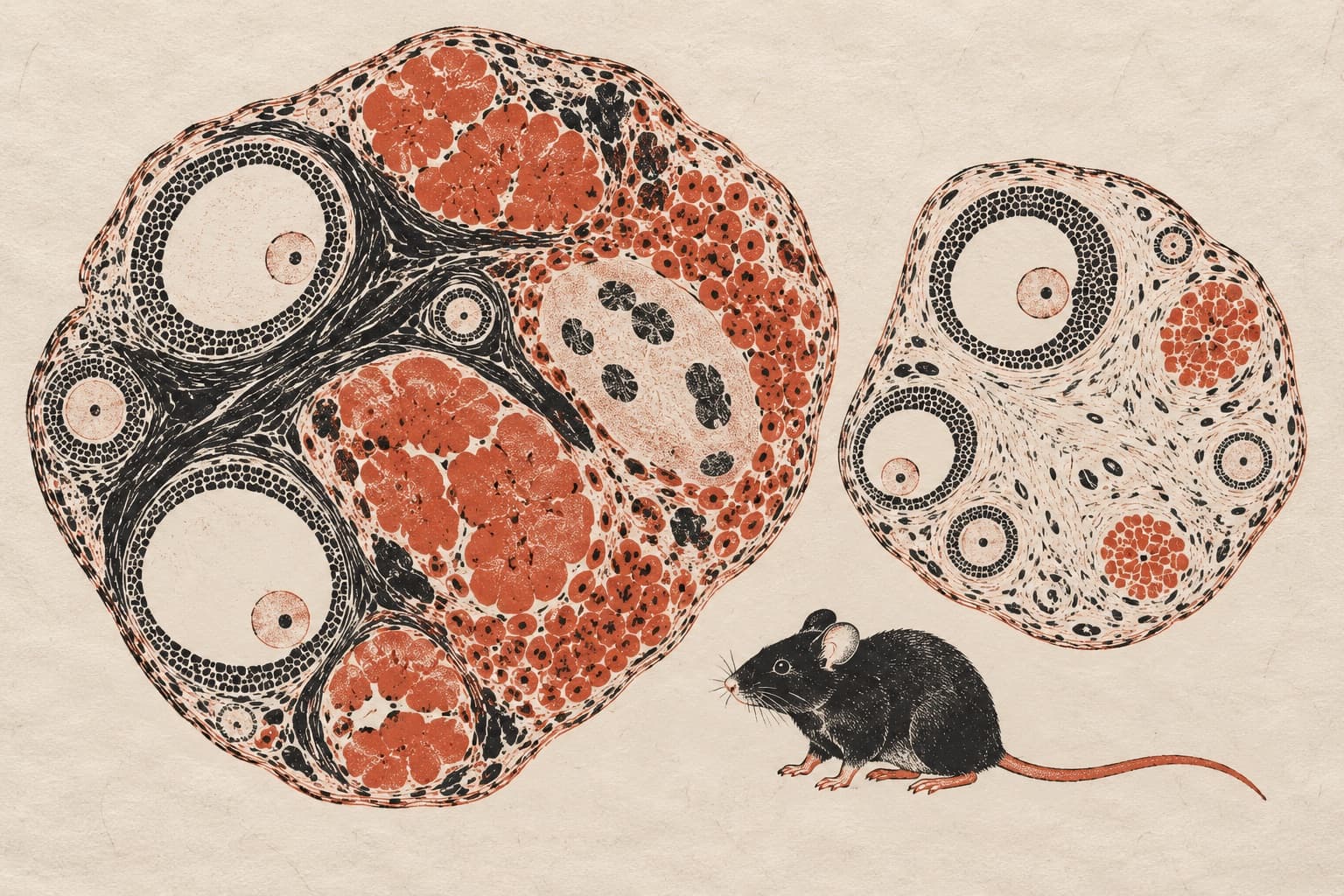
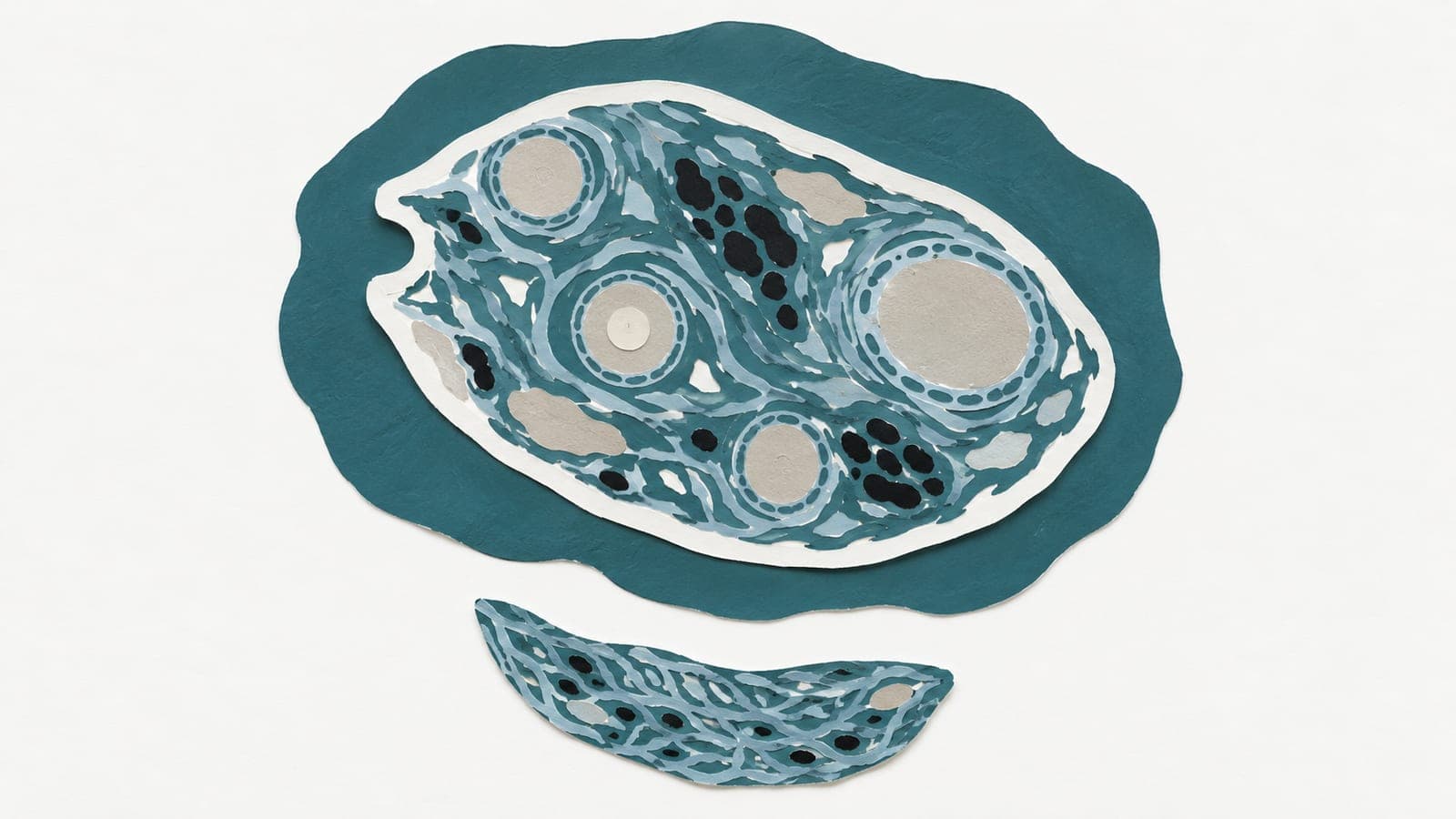
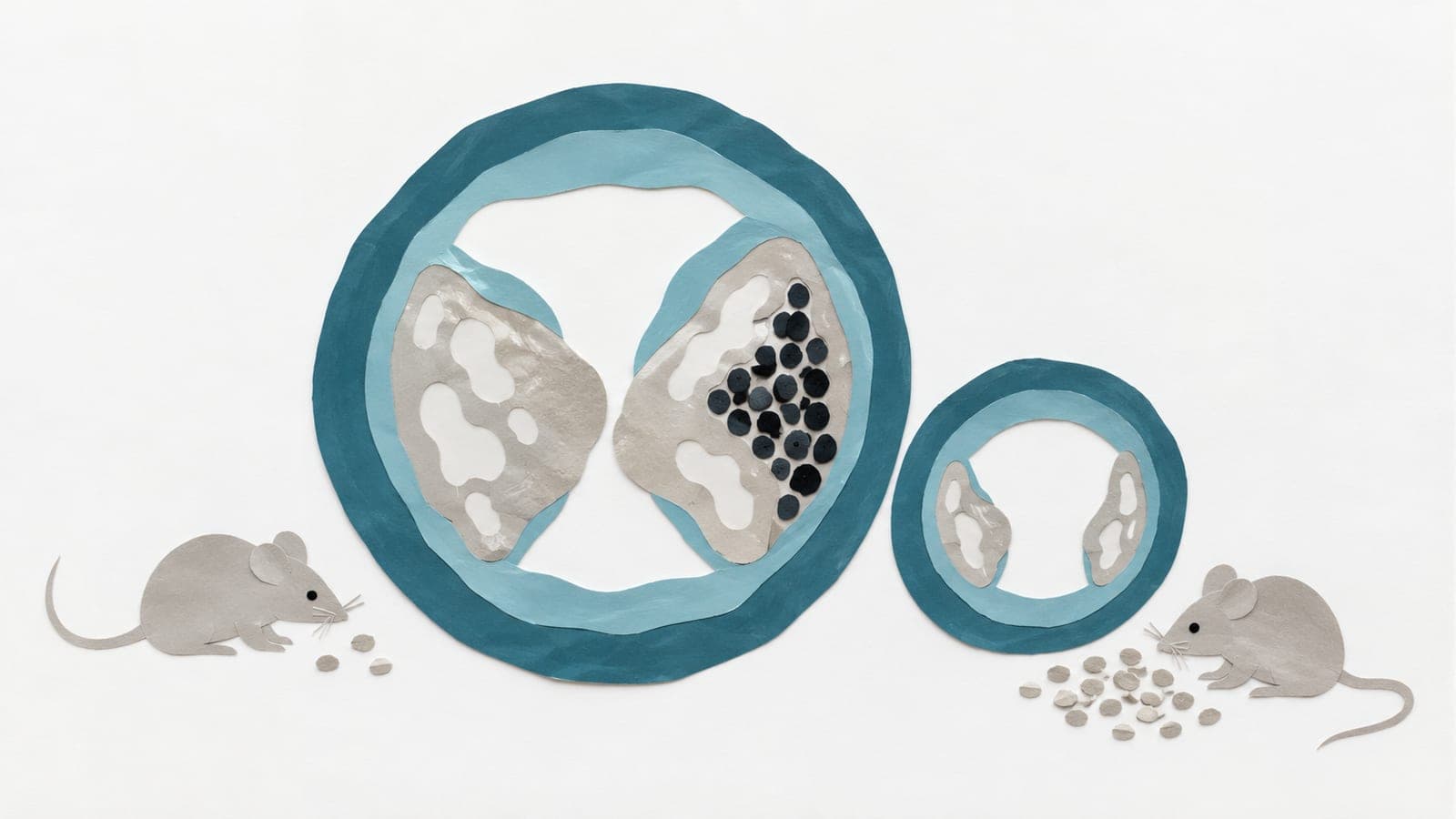
This study investigated how the timing and duration of 30% caloric restriction (CR) affect ovarian aging in mice. Mice were assigned to one of four groups: ad libitum (AL) control, long-term CR (3-11 months; CR/CR), early short-term CR (3-7 months; CR/AL), and late short-term CR (7-11 months; AL/CR). Long-term CR reduced body mass, improved insulin sensitivity, preserved the ovarian primordial follicle reserve, and attenuated ovarian macrophage infiltration compared to AL-fed mice. Metabolic benefits from CR were quickly reversed upon returning to AL feeding. Short-term CR, whether initiated early or late, did not preserve the ovarian reserve. Some benefits were observed with an early start CR, including reduced ovarian collagen deposition at 7 months and reduced macrophage infiltration at 11 months. Our findings indicate that only long-term CR preserves the ovarian reserve. Short-term CR positive effects on other ovarian aging hallmarks depended on an early age of onset.
- Caloric restriction
- Extracellular matrix remodelling
- Inflammation
- Collagen deposition
- Macrophage infiltration
- Mice
The paper
Universidade Federal de Pelotas
npj Aging, 9 Oct 2025