Human-length Telomeres Limit Regeneration of Liver Epithelial Cells in Mice
Abstract
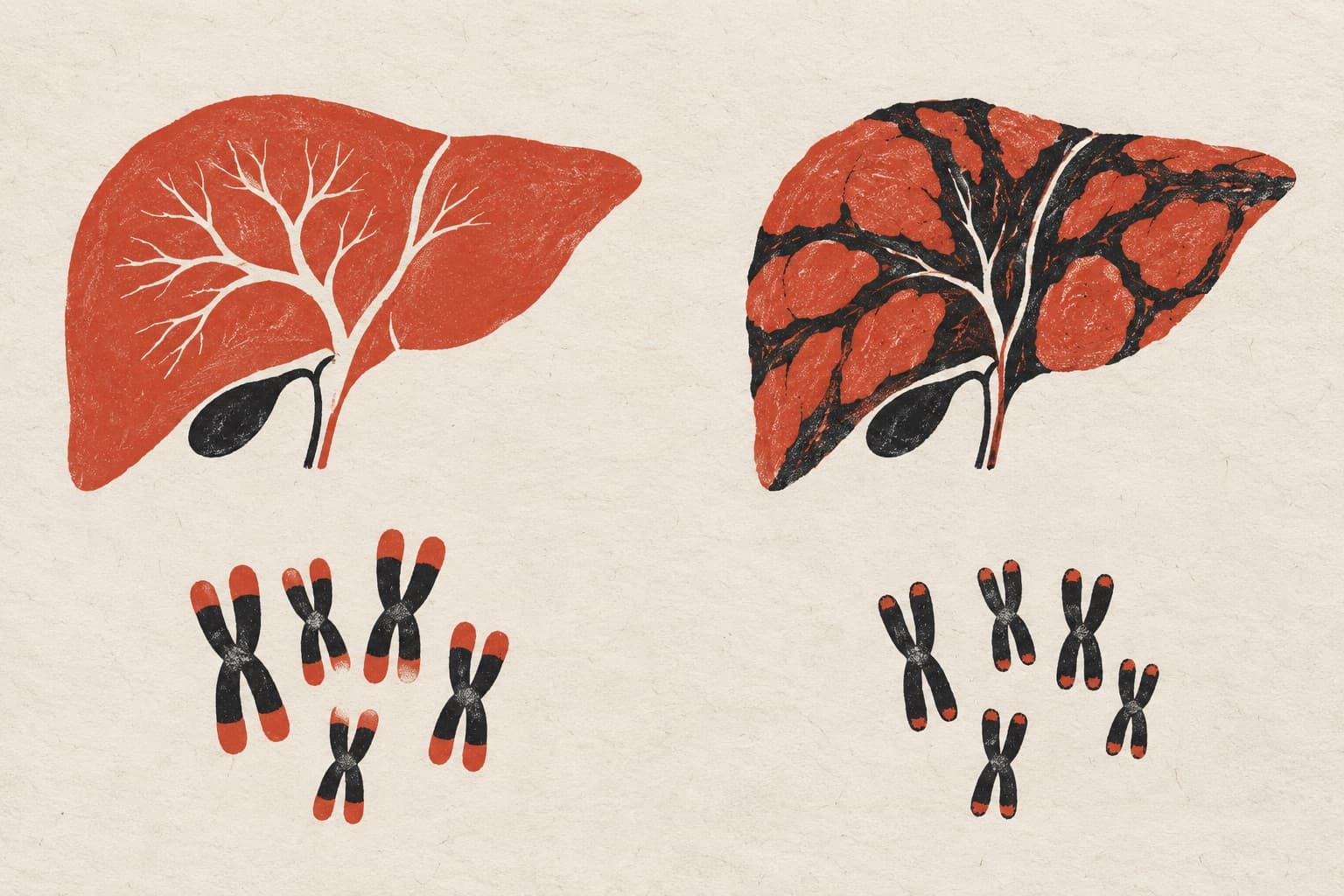
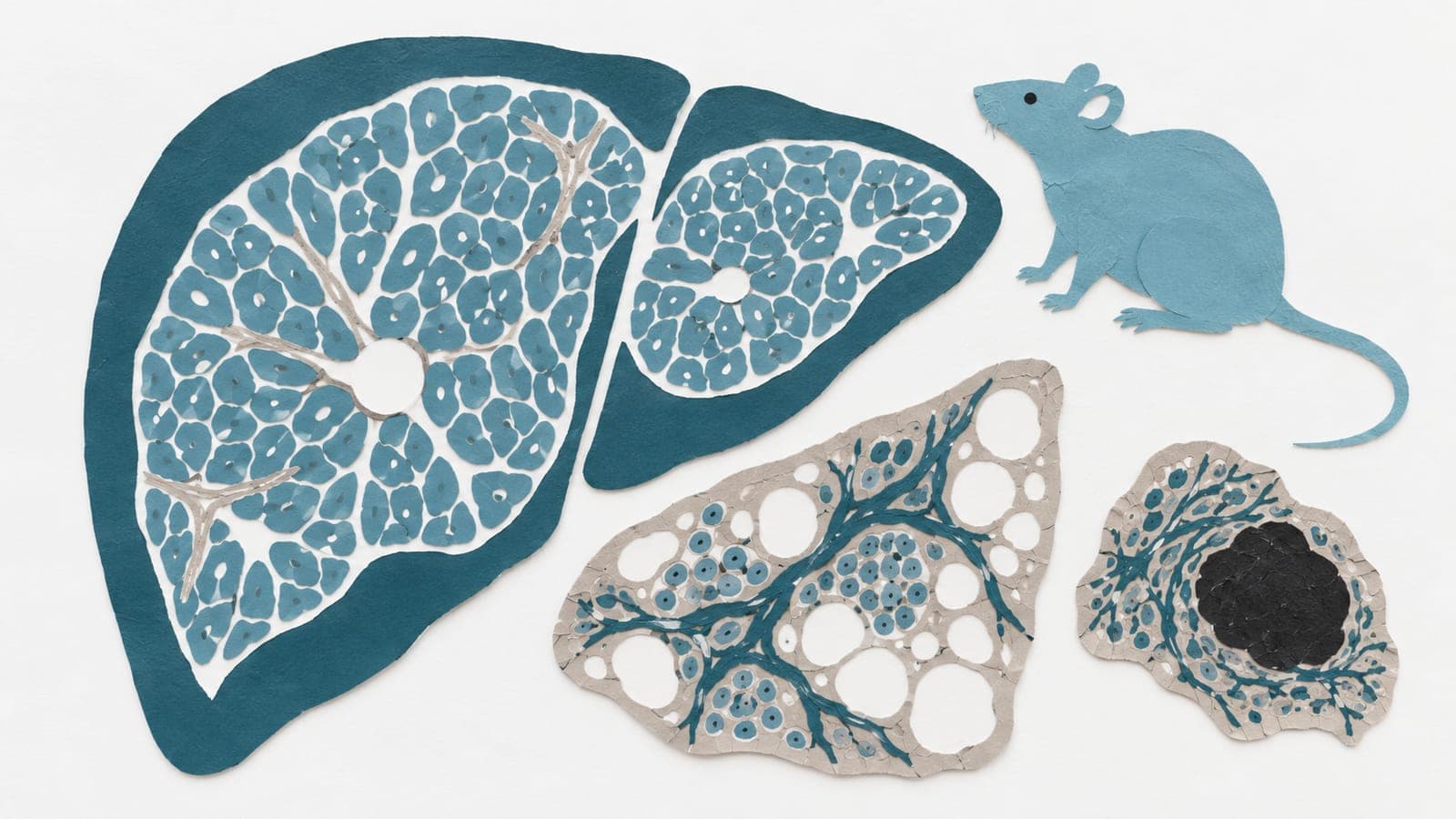
BACKGROUND & AIMS: Telomeres, or the ends of linear chromosomes, are critical for maintaining genomic integrity. The commonly used C57BL/6 mouse strain has telomeres about 5 times longer than those present in humans. We recently engineered the C57BL/6 "Telomouse" to enable the study of human length telomeres, which we used here to study the effects of shortened telomeres on liver regeneration. METHODS: We performed partial hepatectomy experiments with Telomice using wild type C57BL/6 mice as controls. Staggered injections of the thymidine analogs 5-chloro-2'-deoxyuridine (CldU) and 5-iodo-2'-deoxyuridine (IdU) were used to analyze their incorporation into nuclear DNA during cells' S-phase to assess proliferation. In a second model, we employed a competitive hepatocyte repopulation assay in fumarylacetoacetate hydrolase (Fah) null mice. RESULTS: We found that human-length telomeres limit the proliferative capacity of cholangiocytes and hepatocytes in short-term liver regeneration. Control mice exhibited significant cholangiocyte proliferation at 36 hours post-partial hepatectomy (PHx), which remained stable at 46 hours post-PHx. In contrast, Telomice exhibited decreased cholangiocyte proliferation at 36 hours post-PHx, which further decreased at 46 hours post-PHx. Both control and Telomice exhibit increased hepatocyte proliferation at 46 hours compared with 36 hours post-PHx. However, Telomice exhibit less proliferation than controls at both time points. Compared with controls, Telomice exhibit an increased DNA damage response in the liver after partial hepatectomy. In a second model, Telomice hepatocytes also exhibited reduced efficacy in a competitive repopulation study using the Fah null mouse model of conditional hepatocyte ablation. CONCLUSIONS: Short telomeres induce DNA damage in the regenerating liver, hampering its ability to accelerate cell proliferation and regenerate the liver.
The paper
University of Pennsylvania
Cellular and Molecular Gastroenterology and Hepatology, 30 Sep 2025